
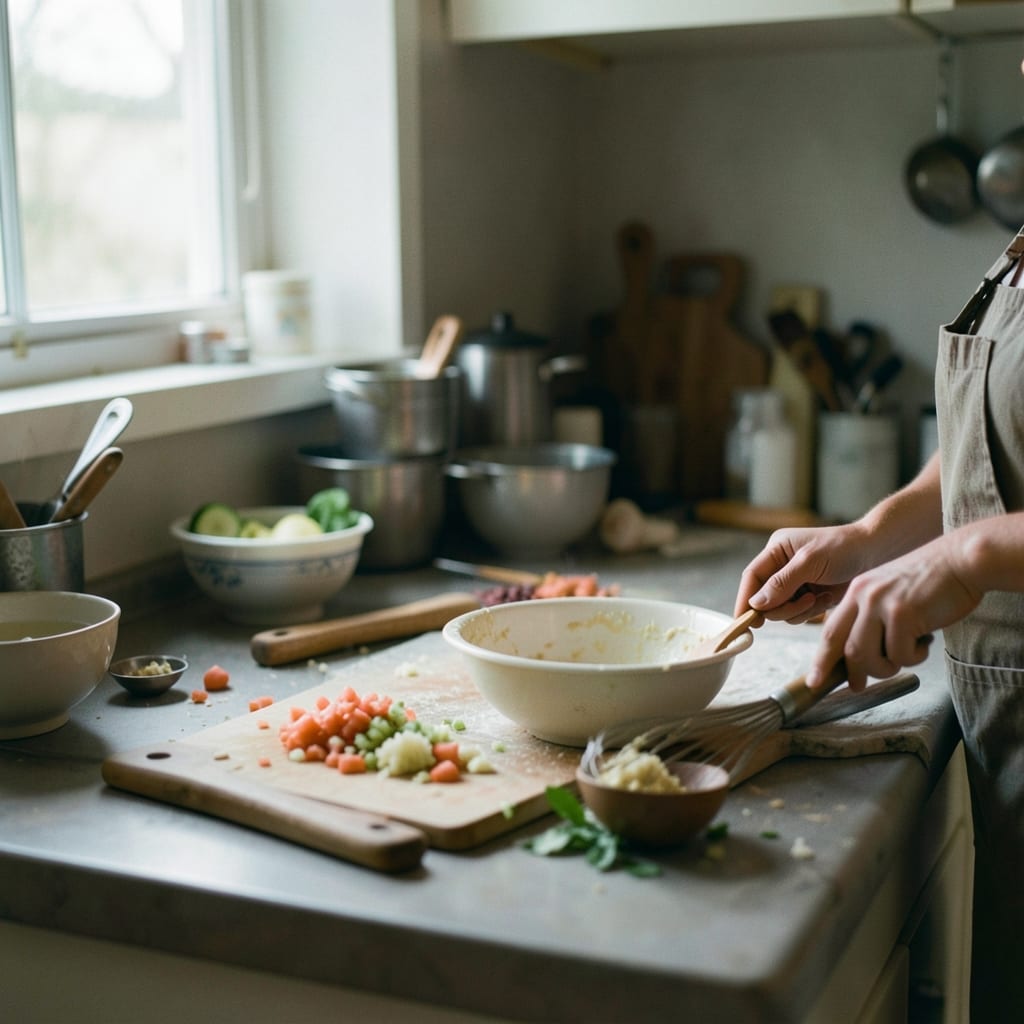
Welcome to Cookierecipeschip
You’ve got a recipe in front of you—maybe it’s a family favorite, maybe it’s something you found online—but when you try it, the texture is off. The flavors don’t sing. The steps feel like they’re missing half the story.
Or worse, it works *too* well, and now you’re left wondering: *How do I make this my own?*
This site exists for the moments when a recipe isn’t enough. Here, you’ll find dishes that work the first time, but also the quiet notes on why they work—and how to bend them to your taste. No vague ‘easy’ promises. No photos that don’t match the result.
Just the real work, the real flavors, and the real joy of cooking.
Our story
The first time Horace Tremblay tasted his grandmother’s homemade biscuits—still warm, flaky, and dusted with powdered sugar—he knew food could be magic. But when he tried to recreate them years later, the dough turned out dense, the layers collapsed.
He spent the next six months calling bakeries, reading forums, and burning batches until he finally got it right. That was the moment *Cookierecipeschip* was born—not as a blog, but as a place where recipes would be tested until they worked, even if it meant scrapping a draft.
The site started in a rented apartment kitchen at 3 a.m., after a long shift at a café where Horace was head pastry chef. The first post was a single, heavily annotated recipe for those biscuits, with a note at the bottom: *‘This took me 87 tries.
Don’t give up.’* Within a week, people were sending in their own failures—and their fixes. What began as a personal notebook became a conversation.
By 2024, the site had outgrown its original purpose. It wasn’t just about saving bad recipes anymore; it was about teaching people how to trust their own hands. The first paid contributor joined that October, after Horace realized no single person could test every dish alone.
The rest was just keeping the kitchen lights on—and the oven at the right temperature.
What we stand for
We believe a recipe should feel like an invitation, not a set of rules. That means clear steps, but also room to improvise. We stand for honesty—no hidden ingredients, no fake ‘foolproof’ claims—and for the idea that cooking is as much about intuition as it is about precision.
What you will always get here
- Recipes that work the first time—or we’ll tell you why they didn’t.
- No filler. Every word, every step, and every ingredient has a purpose.
- The stories behind the dishes: where they came from, who made them famous, and how they’ve changed over time.
- A no-nonsense approach to technique, whether you’re a beginner or a home cook with years of experience.
Meet the team

Behind *Cookierecipeschip* is a small group of writers, testers, and food lovers who treat every recipe like a puzzle—and every kitchen like their own. We’re not chefs by trade; we’re cooks who’ve spent years figuring out what works, what doesn’t, and why.
Some of us grew up in kitchens where meals were made by feel; others learned the hard way, with singed fingers and overproofed dough. What we share is a stubborn refusal to accept ‘good enough.’
Horace Tremblay
Horace Tremblay is the founder and editor of *Cookierecipeschip*, though he’d rather be in the kitchen than at a desk. His background is in café pastry work, where he learned that even the best recipes can fail if the oven isn’t calibrated or the humidity is wrong.
He keeps a handwritten log of every recipe he tests—notes on temperature swings, the exact weight of flour, and the one time a batch of shortbread turned out like concrete.
His desk is a mess of recipe cards, a digital scale, and a single framed photo: his grandmother’s biscuits, still warm from the oven.
What sets his writing apart is the way he balances tradition with modern needs. He’ll teach you the classic French *pâte à choux* method, but also how to adapt it for a home oven that runs hot.
His test kitchen is his apartment, where he’s burned more pans than he’d like to admit—and where every failure is a step closer to getting it right.
I still remember the first time I got a recipe wrong and didn’t even notice until the dish came out. That’s the kind of thing this site is for—catching the mistakes before they happen. And if you’re reading this, you’re already ahead of me. You’re the one who cares enough to ask *why* something works. That’s the best part of the job.
Horace Tremblay
How we create our content
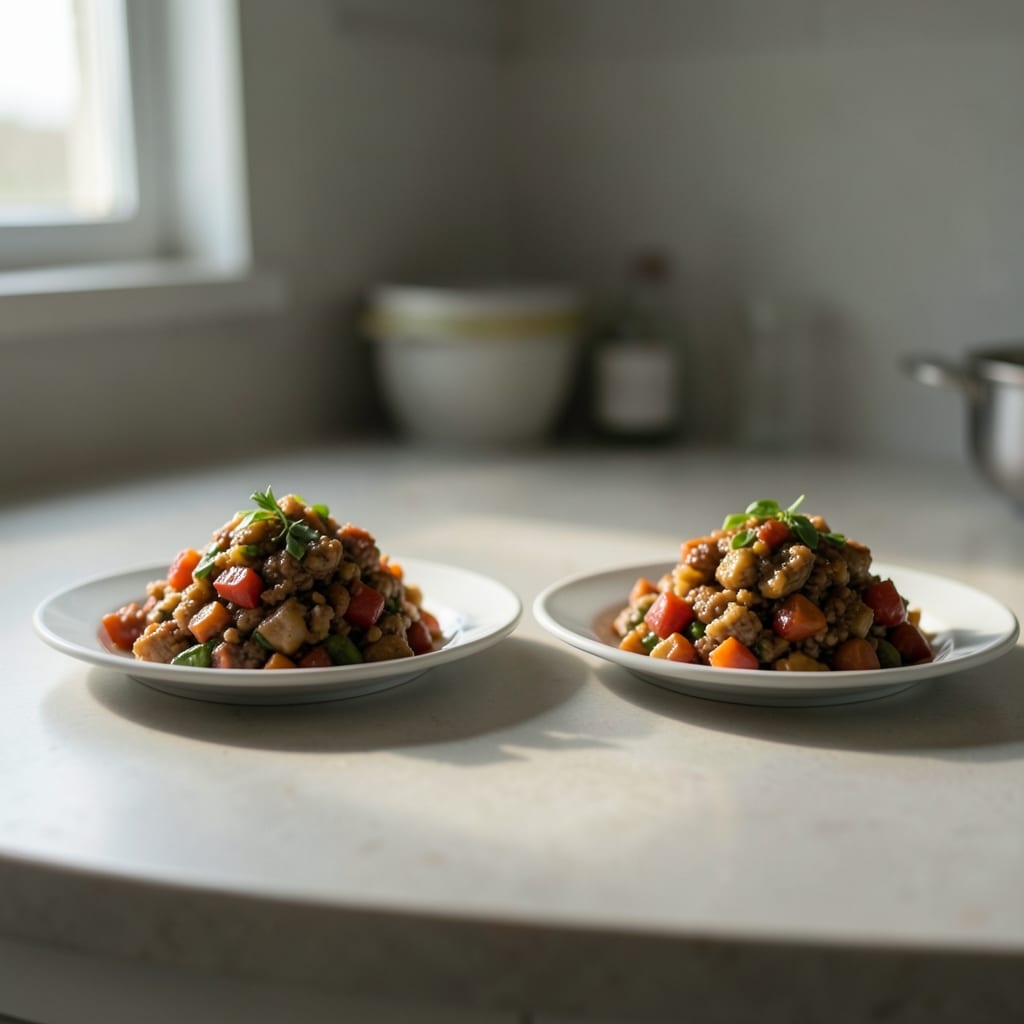
Every piece here starts with a question: *What’s missing from the way this dish is usually made?* It could be a gap in the instructions, a flavor that’s underplayed, or a technique that’s assumed to be common knowledge.
We don’t chase trends—we chase what actually works in a real kitchen, with real ingredients, and real time constraints.
Testing the recipe
The first draft of any recipe is written after a single test run—usually at 8 p.m., when the kitchen is quiet and the oven’s preheated for an hour. We measure everything in grams, not cups, and we never skip the ‘resting’ time, even if the instructions say it’s optional.
If the result is close but not quite right, we go back to the drawing board. The second test is always done by someone who’s never made the dish before. Their mistakes become our notes.
This is where most recipes fail: in the hands of someone who’s never held a whisk or misread a thermometer. We keep a log of every ‘gotcha’—like how a high-altitude oven requires 25% less leavening, or why store-bought vanilla extract can’t replace real scrapings.
These become the sidebars, the warnings, and the ‘pro tips’ that make the difference between a dish that works and one that just *looks* good.
Refining the method
The real work happens in the edits. We cut the fluff, sharpen the steps, and add the details that most recipe sites skip—like why you fold egg whites ‘gently’ and what happens if you don’t.
Every photo is taken in the same kitchen, with the same lighting, so you’re not comparing a perfect studio shot to your greasy countertop reality. And if a recipe still doesn’t work after three tests? We scrap it and start over.
The final version isn’t just about the end result. It’s about the process: the tools you’ll need, the substitutions that save a dish, and the signs that something’s going wrong before it’s too late.
That’s the part we’re most proud of—the kind of detail that turns a recipe into a skill.
Join our community
This isn’t just a site—it’s a kitchen table.
The questions we answer most often are the ones that trip up even experienced cooks: *Why did my cake sink in the middle?* *How do I fix burnt edges?* *What’s the difference between a roux and a béchamel?* We also get your own recipes—your grandmother’s pie crust, your friend’s secret marinade—and we’ll test them, tweak them, and maybe even publish them if they’re worth sharing.
Good suggestions get a response within 48 hours. Bad ones? We’ll tell you why they won’t work—and how to fix them. The best part? Knowing that someone else has already figured out the problem you’re stuck on.
Let's connect
We love hearing about the dishes you’ve made, the recipes you’ve fixed, and the mistakes you’ve learned from. Did a recipe here change the way you cook? Did you adapt one of our methods to something entirely new?
Tell us about it on the contact page—or better yet, send us your own version. The only rule? Be honest. The rest is up to you.
This is your kitchen too. Let’s make something good together.
The recipes are grouped by category: Appetizers, Beverages, Breakfast & Brunch, Desserts, Main Courses and Reviews.