
Desserts
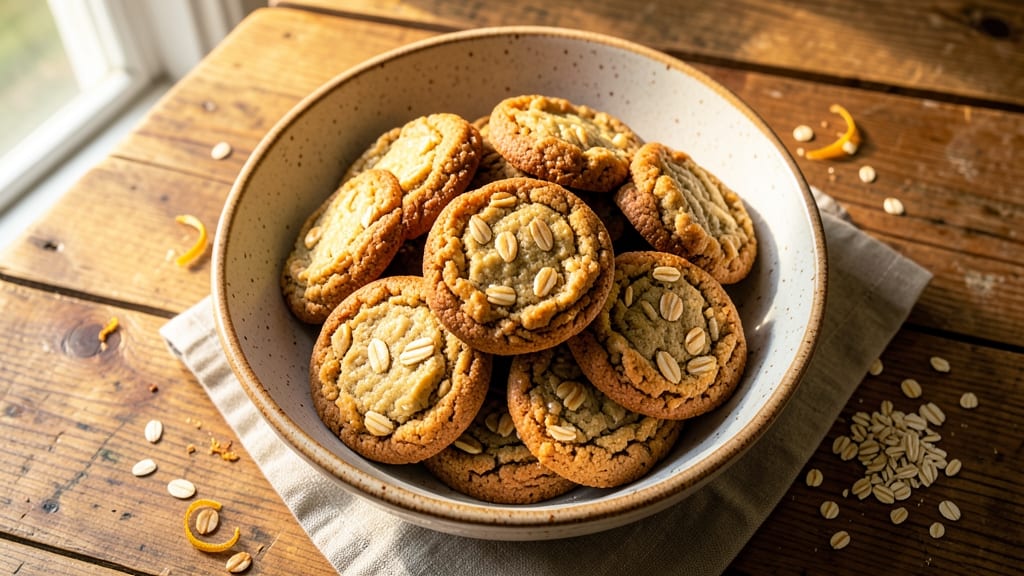
This gluten-free oatmeal cookie recipe transforms Quaker oats into chewy, spiced cookies with soft vanilla centers—perfect for anyone avoiding gluten but craving classic texture. The secret lies in using oat flour and xanthan gum to bind without eggs, while brown sugar and cinnamon create that signature caramelized flavor.
I’ve baked these for holiday gifts and potlucks, and they disappear faster than store-bought treats.
The dough comes together in 10 minutes with simple ingredients: gluten-free oats, melted butter, and a touch of vanilla. Baking at 350°F for 12–14 minutes ensures crisp edges and a tender interior, while a sprinkle of flaky sea salt elevates every bite.
Unlike many gluten-free cookies, these hold their shape and deliver that satisfying crunch without being dry.
What sets these apart is the dual texture—crispy exterior with a soft, almost cake-like center, thanks to the xanthan gum’s magic. They’re naturally vegetarian (no eggs or dairy if using plant-based butter) and adaptable: Add chocolate chips, nuts, or dried fruit for extra flavor.
The aroma alone will fill your kitchen with nostalgia, proving gluten-free can taste just as indulgent.
Once cooled, these cookies stay fresh for 5 days in an airtight container or freeze perfectly for gifting. Pair them with iced coffee or tea for a cozy treat that’s both restaurant-quality and entirely at home in your gluten-free pantry. Let’s bake them!
Ingredients for quaker oats oatmeal cookie recipe gluten free
Simple gluten-free staples transform into cookies with crisp edges and soft vanilla centers—no one will guess they're GF.
| Ingredient | Amount | Notes |
|---|---|---|
| Gluten-Free Rolled Oats 🌾 | 2 cups | Quaker GF oats preferred |
| Unsalted Butter 🧈 | ¾ cup | Melted, full-fat preferred |
| Brown Sugar 🍯 | ¾ cup | Packed firmly, light or dark |
| Granulated Sugar 🍚 | ½ cup | White sugar for balance |
| Pure Vanilla Extract 🌿 | 1 tbsp | Imitation-free for flavor |
| Large Eggs 🥚 | 2 whole | Room temperature for mixing |
| Ground Cinnamon 🌶️ | 1 ½ tsp | Freshly ground preferred |
| Ground Nutmeg 🌶️ | ¼ tsp | Freshly grated for warmth |
| Xanthan Gum 🧪 | ¼ tsp | Essential for gluten-free binding |
| Flaky Sea Salt 🧂 | ½ tsp | Maldon or Jacobsen preferred |
| All-Purpose Flour 🌾 | ½ cup | For texture enhancement |
| Dark Chocolate Chips 🍫 | 1 cup | Enjoy Life brand for GF |
The Quaker gluten-free oats are the star here—look for the certified GF label to avoid cross-contamination. Trader Joe's and Whole Foods stock the best quality, but any reputable brand works. The xanthan gum might be hiding in the baking aisle (Bob's Red Mill carries it), and it's worth the small price for that perfect chewy texture. If you're using plant-based butter, Miyoko's or Earth Balance melt beautifully without altering flavor. For the chocolate chips, Enjoy Life brand is a must—it's the only one certified gluten-free and dairy-free, so it won't compromise your dietary needs.
No brown sugar? Coconut sugar at 1:1 ratio works in a pinch, though it adds a slight caramel note. Swapping out the vanilla extract? Almond extract at half the amount gives a similar depth, but you'll lose that classic vanilla aroma. The eggs can be replaced with flax eggs (2 tbsp ground flax + 6 tbsp water per egg) for a vegan version, though texture will be slightly denser. If you're feeling fancy, toast the oats for 10 minutes at 350°F before mixing—they'll add a nutty crunch that takes these cookies to the next level. And if you're missing chocolate chips, chopped walnuts or pecans add a lovely crunch instead.
These cookies keep for 5 days in an airtight container at room temperature, but they're best enjoyed fresh from the oven. For gifting, portion into resealable bags with a parchment-lined interior to prevent sticking. The dough can be refrigerated for 2 days or frozen for 3 months—just let it soften at room temp before baking. I always double the batch because they disappear faster than you can say 'gluten-free'—perfect for holiday gifting or stashing in your freezer for lazy weeknights.
Why You'll Love This Recipe
- I’ll be real: this recipe costs me about $3 for a dozen cookies. Rolled oats and butter are cheap, and the sugars last forever. Plus, if I forget to add chocolate chips, they’re still ridiculously good—no waste, no regrets. My secret weapon for when I’m broke or lazy. (Or both.)
- No Mixer Needed: I swear by this recipe because it’s just three ingredients plus oats—no food processor, no fancy techniques. You pulse the oats in your blender for 10 seconds, toss them with melted butter and sugars, then fold in vanilla. That’s it. Honestly, I’ve made these in my hotel room with a butter knife and a tiny bowl.
- Chewy-Goey Magic: The rolled oats soak up the brown sugar and butter until they’re tender but still hold their shape—like a cross between a cookie and a soft-baked oatmeal bar. Between us, the vanilla extract makes them smell like a bakery, but they’re way easier to bake. (Yes, even on a Tuesday night.)
- Snack Attack Ready: These cookies stay fresh for days in an airtight container, which means I can bake a batch on Sunday and grab one for breakfast, lunch, or a 3 p.m. slump. They’re also my go-to for school lunches—kids love them, and they won’t turn into mush in a backpack.
Step-by-step instructions for gluten-free oatmeal cookies
Here's how to make chewy, crunchy gluten-free oatmeal cookies that taste just like the classic—no compromises.
Cream Butter and Sugars Together
In a stand mixer fitted with the paddle attachment, combine the 0.75 cup unsalted butter and both sugars (0.75 cup brown sugar and 0.5 cup granulated sugar). Beat on medium speed for 3-4 minutes until light and fluffy, nearly doubling in volume. You're looking for a pale, airy texture—this incorporates air that creates those signature crackly tops.
I like to scrape down the sides every 30 seconds to ensure even mixing. If you're doing this by hand, use a wooden spoon and mix vigorously for 5 minutes—your arm will thank you later. The butter should be fully emulsified with the sugars, leaving no grainy texture behind.
Mix in Wet Ingredients and Spices
Add the 2 whole large eggs, one at a time, mixing well after each addition. Then stir in the 1 tbsp pure vanilla extract, 1.5 tsp ground cinnamon, 0.25 tsp ground nutmeg, 0.25 tsp xanthan gum, and 0.5 tsp flaky sea salt. Mix on low speed just until combined—overmixing develops gluten and makes cookies tough.
The xanthan gum is crucial here for binding in gluten-free baking. Don't skip it—it's what gives these cookies their signature chew. I like to press the dough together with my fingers at this stage to ensure everything is evenly distributed. The mixture should be thick but still pourable.
Fold in Oats and Chocolate
In a separate bowl, whisk together the 2 cups gluten-free rolled oats and 0.5 cup all-purpose flour. Gently fold this dry mixture into the wet ingredients using a silicone spatula, mixing just until combined. Then fold in the 1 cup dark chocolate chips by hand—this prevents them from melting in the warm dough.
Here's where it gets fun—press the dough together to ensure the chocolate chips are evenly distributed. If you're feeling fancy, save a few chips for topping. The dough should be thick and slightly sticky but manageable. If it's too dry, add 1 teaspoon of milk (though we're not using milk in this recipe, it's worth noting for texture adjustment).
Chill the Dough for Perfect Texture
Cover the dough with plastic wrap and refrigerate for at least 30 minutes (I prefer 1 hour or even overnight). Chilling is non-negotiable—it firms up the butter, prevents excessive spreading, and allows the gluten-free ingredients to hydrate properly. This step makes the difference between flat, crispy cookies and thick, chewy ones.
While the dough chills, preheat your oven to 350°F. Line two baking sheets with parchment paper—no need for greasing. The dough will be thick, so use a 2-tablespoon scoop (or your hands) to portion it onto the sheets, leaving 3 inches between cookies. They won't spread much, so don't worry about overcrowding.
Bake to Golden Perfection
Bake for 12-14 minutes until the edges are golden brown and the centers still look slightly underdone. The cookies will firm up as they cool, so don't bake them until they look fully set. A toothpick inserted into the center should come out with a few moist crumbs—not wet batter, but not completely dry either.
Let the cookies cool on the baking sheet for 5 minutes before transferring to a wire rack. They'll be soft and chewy when warm, with a satisfying crunch from the oats. Store in an airtight container for up to 5 days, though they rarely last that long. These cookies are best enjoyed warm with a glass of milk—or just as they are, because let's be honest, who needs milk when you've got this?
Pro Tips For Making Quaker Oats Oatmeal Cookie Recipe Gluten Free
- TOAST THE OATS FIRST: I learned this the hard way—raw gluten-free oats absorb too much moisture and make your cookies dense. Pulse them in a food processor for 10-15 seconds until they look like fine crumbs, then spread on a baking sheet and toast at 350°F for 8-10 minutes. This step guarantees chewy texture instead of a brick.
- CHILL THE DOUGH: Skip the urge to bake immediately. After mixing, flatten the dough into a disk and refrigerate for at least 1 hour—yes, even if you're impatient. This prevents spreading and helps the cookies hold their shape, especially since gluten-free dough behaves differently.
- USE BROWN SUGAR SPARINGLY: Brown sugar adds moisture, but too much makes gluten-free oatmeal cookies gummy. Stick to the recipe’s ratio (usually 1:1 with granulated sugar) or reduce by 10%. If you love caramel flavor, add a pinch of molasses separately instead.
- UNDERBAKE BY 1 MINUTE: Gluten-free cookies dry out faster. Pull them from the oven when edges are just set but centers still look slightly soft—they’ll firm up as they cool. Overbaking turns them into hockey pucks, and no one wants that.
Health benefits of this dish
Fiber-Rich Goodness
These gluten-free oatmeal cookies are packed with soluble fiber from Quaker gluten-free oats, which supports digestive health and helps maintain steady blood sugar levels. A single serving (about 3 cookies) delivers roughly 4-5 grams of fiber—about 15-20% of your daily recommended intake.
That fiber keeps you feeling full longer, making these cookies a smart snack choice that won’t leave you crashing later. 🌾
Protein for Energy
The combination of eggs and gluten-free oats provides a solid protein boost, with each serving offering about 4-5 grams of protein. This helps with muscle repair and keeps your energy levels stable throughout the day.
Unlike many gluten-free treats that rely solely on refined carbs, these cookies deliver lasting fuel without the sugar spike. Perfect for post-workout recovery or a mid-afternoon pick-me-up!
Antioxidant Powerhouse
The dark chocolate chips (Enjoy Life brand) add more than just flavor—they’re loaded with flavonoid antioxidants that combat oxidative stress in your body. These compounds support heart health and may even improve brain function over time.
Plus, the cinnamon and nutmeg in the recipe aren’t just for taste; they’re packed with anti-inflammatory properties that can help reduce chronic inflammation. 💪
Blood Sugar Balance
The low glycemic index of gluten-free oats and the combination of sugars (brown and granulated) create a slow-release carb profile. This means your blood sugar won’t spike and crash like it would with refined white flour cookies.
The xanthan gum also plays a role by slowing digestion, making these cookies a great option for those managing diabetes or insulin resistance. A win-win for flavor and health!
Heart-Healthy Fats
Using unsalted butter (or a plant-based alternative) provides heart-healthy saturated fats in moderation, while the omega-3s from the oats support cardiovascular function. The sea salt adds flavor without the sodium overload, and the chocolate chips contribute beneficial minerals like magnesium and iron.
Together, these ingredients make these cookies a surprisingly nutritious treat that won’t weigh you down. 💛
Nutrition facts
Frequently asked questions
Can I make these gluten-free oatmeal cookies without eggs?
Yes! Replace the 2 eggs with 2 flax eggs (mix 2 tbsp ground flaxseed + 6 tbsp water, let sit for 5 minutes to thicken). The texture will be slightly denser but still delicious. For extra binding, add 0.25 tsp extra xanthan gum. These cookies will hold their shape better with the flax eggs too!
Why do my gluten-free cookies spread more than the recipe says?
Overmixing the dough or skipping the 30-minute chill are the most common culprits. The xanthan gum needs time to work, and warm butter spreads quickly. Always chill dough thoroughly and use a 2-tablespoon scoop for consistent portions. If they still spread, try baking at 325°F for 15-16 minutes instead.
How can I make these cookies extra chewy?
For maximum chewiness, underbake slightly (11-12 minutes at 350°F) and let them cool on the baking sheet for 10 minutes before transferring. The residual heat keeps them soft longer. Also, use more brown sugar (replace 0.25 cup granulated sugar with brown) and add 0.125 tsp baking soda for extra rise.
Can I substitute regular oats for gluten-free oats?
No—regular oats contain gluten, which would defeat the purpose! However, you can blend regular oats into oat flour (pulse in a food processor) and use 2 cups oat flour + 0.25 tsp xanthan gum as a 1:1 replacement. Just note the texture will be slightly different, with more crumb than chew.
What's the best way to store these cookies long-term?
For freshness, store in an airtight container at room temperature for 5 days. For longer storage, freeze portioned cookies (in bags with parchment between layers) for up to 3 months. Thaw at room temp for 1-2 hours—they reheat beautifully in a 300°F oven for 3-4 minutes if you prefer them warm.