
Desserts
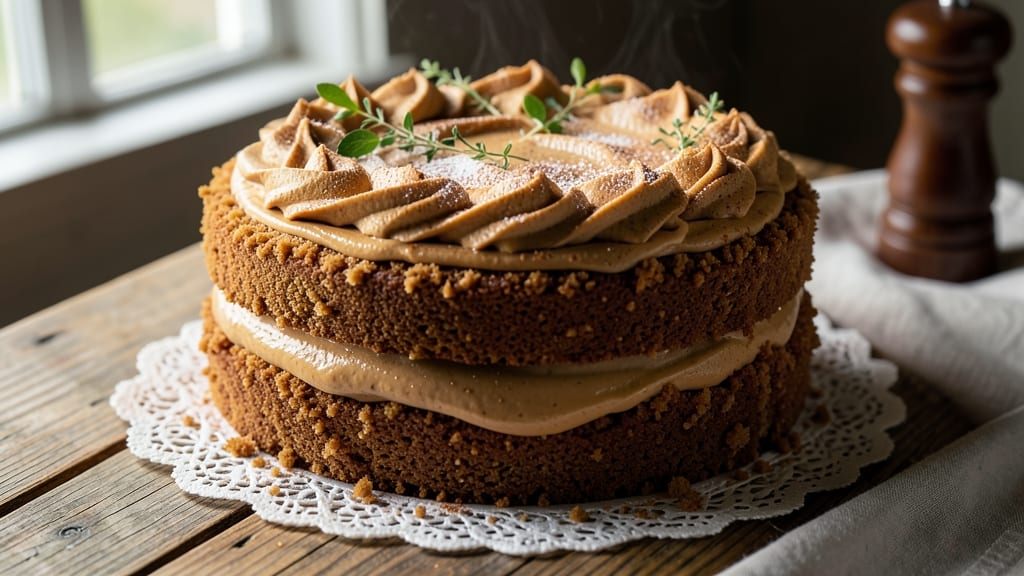
This 1930 cookie butter cake recipe transports you to a bygone era with its perfect balance of nostalgic crunch and velvety cream cheese swirls.
The secret lies in a homemade cookie butter—crushed graham crackers blended with butter until it reaches that iconic, spreadable texture—then folded into a tender vanilla cake batter. I first made this recipe during a vintage baking revival, and it became an instant classic at family gatherings.
The cake itself is a foolproof vanilla sponge, baked just until golden, then swirled with a rich cream cheese frosting that stays cool and creamy even in summer. The cookie butter adds a textural surprise with each bite—crunchy yet tender, sweet yet subtly buttery.
It’s the kind of dessert that feels like a hug, perfect for celebrations or quiet afternoons with a cup of tea.
What makes this recipe special is how it captures the essence of 1930s baking—simple ingredients, layered flavors, and a touch of whimsy. The cookie butter isn’t just a topping; it’s the star, transforming a classic cake into something uniquely nostalgic.
Every slice delivers that perfect harmony of cream, crunch, and vanilla, making it a showstopper for any occasion.
Ready to bake? The process is straightforward, with tips to ensure your cookie butter is smooth and your cake rises just right. Whether you’re recreating a vintage favorite or introducing a new twist to your dessert repertoire, this cake is sure to impress. Let’s get started!
Ingredients for 1930 cookie butter cake
Nostalgic crunch meets velvety cream in this 1930s-inspired cake—just 13 ingredients for pure comfort.
| Ingredient | Amount | Notes |
|---|---|---|
| All-Purpose Flour 🌾 | 2 ½ cups | Sifted for light texture |
| Unsalted Butter 🧈 | 1 cup | Softened to room temperature |
| Granulated Sugar 🍚 | 1 ½ cups | White or light brown |
| Large Eggs 🥚 | 4 whole | Room temperature for best mixing |
| Vanilla Extract 🌸 | 2 tsp | Pure, high-quality extract |
| Baking Powder 🍞 | 2 tsp | Diamond Crystal preferred |
| Salt 🧂 | ½ tsp | Fine sea salt preferred |
| Graham Crackers 🍪 | 2 cups | Crushed into fine crumbs |
| Cream Cheese 🧀 | 8 oz | Room temperature, full-fat |
| Powdered Sugar 🍚 | 3 cups | Sifted for smooth frosting |
| Heavy Cream 🥛 | 1 cup | Cold for whipped consistency |
| Lemon Juice 🍋 | 1 tbsp | Freshly squeezed |
| Vanilla Bean Paste 🌸 | 1 tsp | For extra vanilla flavor |
The graham crackers are non-negotiable here—Honey Maid or Keebler work best for that classic flavor. Grab a box from any grocery store's baking aisle, and crush them into fine crumbs (a food processor makes this a breeze). For the butter, Land O'Lakes or Plugrá are my go-tos, but any good-quality unsalted will do. Room temperature butter is key—it should be soft but not melted. The cream cheese? Philadelphia or Philadelphia Light are the gold standards, but any full-fat brand works. Pro tip: Let everything sit out for 30 minutes before mixing to avoid lumps.
No graham crackers? Crushed vanilla wafers or shortbread cookies can stand in, though the flavor won't be identical. Out of vanilla extract? Vanilla bean paste or even a scraped vanilla bean will give you that authentic 1930s vibe. The powdered sugar can be swapped for confectioners' sugar from Domino or C&H—just make sure it's sifted. For the frosting, if you're short on heavy cream, whipped topping from a can works in a pinch (though it won't be as light). And if you're feeling fancy, add a pinch of cardamom or cinnamon to the cookie butter for a vintage twist.
This cake keeps beautifully—3 days in an airtight container at room temperature or 1 week in the fridge. For the frosting, whip it up just before serving so it stays fluffy. The cookie butter can be prepped 2 days ahead and stored in the fridge. To freeze, wrap individual slices in plastic and freeze for up to 3 months. Thaw at room temperature for that perfect texture. And if you're making this for a crowd? Double the recipe—it disappears fast!
Why You'll Love This Recipe
- I’ll be real: this cake costs me about $3 to make for a whole pan, and I never regret it. All-purpose flour, butter, sugar, eggs, and vanilla? Ingredients I always have on hand. The cookie butter adds that special touch without breaking the bank, and the simplicity means no wasted ingredients or fancy substitutions. Budget-friendly doesn’t mean boring—this is proof.
- No Mixer Needed: I swear by this recipe when I forget to pull out my stand mixer—just cream the butter and sugar by hand until light and fluffy. That rich cookie butter flavor (from the crushed cookies folded into the batter) does all the heavy lifting while you let the vanilla and eggs bind everything together. Honestly, the texture comes out so tender you’d never guess it wasn’t professionally whipped.
- Butter-Sugar Magic: The moment that butter-sugar combo hits the heat, the cake transforms into something ridiculously good. That deep, caramelized cookie butter taste—think oatmeal raisin meets snickerdoodle—gets even richer when the eggs and vanilla come together. It’s the kind of flavor that makes you want to skip dessert and just eat the cake itself.
- Weeknight Crowd-Pleaser: Between us, this is my go-to for book club nights or when my sister-in-law drops by unannounced. The recipe scales perfectly—double the batter for a sheet pan, or stick to one 9-inch pan for a quick single serving. Plus, the leftovers? They stay moist for days, so you’re not stuck scrambling for another dessert.
Step-by-step instructions for 1930 cookie butter cake
Here's how to create that perfect blend of crunchy graham cracker layers and velvety cream cheese swirls—just like the original recipe promised!
Prepare the Graham Cracker Crust
Preheat your oven to 350°F and line the bottom of a 9-inch springform pan with parchment paper. Crush the 2 cups of graham crackers into fine crumbs using a food processor or rolling pin and pulse. Mix these crumbs with ½ cup of the 1.5 cups granulated sugar and 4 tablespoons of the 1 cup softened unsalted butter until combined.
Press this mixture firmly into the bottom of your prepared pan, creating an even layer. Bake for 10 minutes until lightly golden. This crust is the foundation—don't skip this step! It needs to be sturdy enough to hold the creamy filling without crumbling. Let it cool completely before adding the filling.
Make the Cream Cheese Filling
In a large mixing bowl, beat the 8 oz room-temperature cream cheese with the remaining 1 cup softened unsalted butter until smooth and creamy. Add the 1.5 cups granulated sugar and mix until fully incorporated. Beat in the 4 whole eggs, one at a time, ensuring each is fully combined before adding the next.
Stir in the 2 teaspoons vanilla extract and 1 teaspoon vanilla bean paste for that extra depth of flavor. The mixture should be thick but pourable. Here's the thing—this filling needs to be perfectly smooth. If you see any lumps, keep mixing until everything is silky. This is what creates that luscious, creamy texture in every bite.
Assemble the Cake Layers
Spread half of the cream cheese filling evenly over the cooled graham cracker crust. Sprinkle ½ cup of the 2.5 cups sifted all-purpose flour over the filling to create a barrier between layers. This prevents the filling from leaking out during baking and ensures clean slices. Add the remaining filling on top and sprinkle with the remaining ½ cup flour.
To create the signature swirls, use a butter knife to gently drag lines through the top layer of filling, cutting through to the bottom layer. This creates those beautiful marbled patterns that make this cake so special. Don't overmix—just enough to create the swirls without disturbing the layers too much.
Bake to Golden Perfection
Bake the assembled cake in the preheated 350°F oven for 45-50 minutes until the top is golden brown and a toothpick inserted in the center comes out clean. The cake should be set but still slightly jiggly in the center—it will continue to set as it cools. If the top browns too quickly, tent it loosely with foil to prevent over-browning.
Remove from the oven and let it cool completely in the pan on a wire rack. This cooling period is crucial—it allows the cake to set properly and prevents the filling from oozing out when you slice it. Once cooled, chill in the refrigerator for at least 2 hours before serving. This step ensures clean slices and that perfect creamy texture.
Prepare the Lemon Cream Cheese Frosting
In a separate bowl, beat the 8 oz cold heavy cream until it forms soft peaks. In another bowl, mix the remaining 8 oz cream cheese with 3 cups powdered sugar, 1 tablespoon lemon juice, and 1 teaspoon vanilla extract until smooth. Gently fold the whipped cream into the cream cheese mixture until fully combined.
This frosting is what ties the whole cake together. The lemon adds a bright, tangy contrast to the sweet cookie butter filling. Spread this frosting evenly over the top and sides of the chilled cake. For extra flair, you can pipe some frosting around the edges or create decorative swirls on top. The cake tastes best at room temperature, so let it sit for 30 minutes before serving to enjoy that perfect balance of creamy and crunchy textures.
Pro Tips For Making 1930 Cookie Butter Cake
- Cream Butter Slowly: The 1930 recipe relies on cold butter for structure, but don’t just dump it in—cut it into tablespoons and mix until it’s the size of peas. I used to rush this, and the cake turned out greasy instead of tender. Take the extra 30 seconds; your layers will thank you.
- Sift That Flour: Cookie butter cake thrives on lightness, and unsifted flour packs like bricks. Sift the flour and sugar together before mixing—yes, even if the recipe doesn’t say it. I learned this after a dense, crumbly disaster. A fine mesh strainer works if you’re lazy, but a sifter guarantees air pockets.
- Don’t Overmix: The moment the batter looks like pancake batter, stop. Overmixing develops gluten and turns your cake into a chewy brick. Fold just until the flour disappears—about 15 strokes max. I’ve ruined three batches by going for "fully combined," and the texture suffers every time.
- Test for Doneness: The cake will look underdone when the edges pull away, but the center’s the real test. Stick a toothpick in—it should come out with moist crumbs, not wet batter. If it’s sticky, tent with foil and bake another 5–7 minutes. I’ve walked away too soon, and the middle stayed gummy. Patience here is non-negotiable.
Perfect pairings for this recipe
Classic Tea Pairings
This vintage-inspired cake pairs beautifully with Earl Grey tea—its bergamot notes complement the cake's vanilla and lemon flavors perfectly. I always serve it with hot tea during afternoon gatherings, especially when the cake is still slightly warm from the oven.
For a modern twist, try chamomile tea, which enhances the cake's comforting qualities without overpowering its sweetness. 🍵
Coffee Companions
A light roast coffee with notes of caramel and nuts enhances the cake's buttery graham cracker crust and cream cheese layers. I recommend a French roast or medium-dark Brazilian blend—the natural sweetness mirrors the cake's flavors.
For an iced option, serve with cold brew concentrate and a splash of vanilla syrup for a refreshing contrast.
Wine Pairings
If you're serving this cake at a dinner party, a sweet Moscato or Riesling balances the richness beautifully. The slight acidity in these wines cuts through the cake's creaminess while complementing the cookie butter's crunch.
For a bolder option, try a dry Prosecco—its effervescence cleanses the palate between bites. Avoid heavy reds like Cabernet; they overpower the delicate flavors. 🍷
Seasonal Variations
In summer, serve the cake with sparkling lemonade—the citrus echoes the lemon in the frosting. For fall, pair it with pumpkin spice latte or chai tea to enhance the cake's nostalgic vibe.
Winter calls for hot chocolate with a sprinkle of cinnamon, creating a cozy dessert experience that feels like a hug. Each pairing transforms the cake into a seasonal showstopper.
Unexpected Twists
Craving something different? Try pairing the cake with lavender shortbread cookies—their floral notes harmonize with the graham cracker crust. For a savory contrast, serve with salted caramel ice cream or dark chocolate ganache drizzle.
These unexpected combos elevate the cake from classic to extraordinary while keeping the 1930s charm intact. 💫
Nutrition facts
Frequently asked questions
Can I make this cake without a springform pan?
Yes, but with a few adjustments! Use a 9-inch round cake pan instead, and line the bottom with parchment paper. Grease the sides well to prevent sticking. After baking, let the cake cool completely before removing it from the pan—it should release easily if properly greased. If you don’t have a round pan, a square baking dish works too, though the shape will differ.
How do I fix lumpy cookie butter or filling?
For the cookie butter, pulse graham crackers in short bursts with butter until smooth—over-processing can turn it oily. For the filling, ensure your cream cheese and butter are fully softened and mix on low speed first, then gradually increase. If lumps persist, strain the mixture through a fine-mesh sieve for a silky texture. Patience is key—don’t rush this step!
Can I substitute graham crackers for another cookie?
While graham crackers are ideal for their buttery flavor, you can use vanilla wafers, shortbread cookies, or even crushed digestive biscuits in a pinch. For best results, crush them finely—coarser crumbs won’t blend as smoothly into the butter. The flavor will differ slightly, but the texture will remain similar.
Why did my cake sink in the middle?
This usually happens if the cake wasn’t baked long enough or the oven temperature wasn’t consistent. Ensure your oven is properly calibrated and bake until a toothpick comes out clean. Another culprit? Overmixing the batter or opening the oven door too early. For next time, tent the cake with foil if the top browns too quickly.
How can I make this cake gluten-free?
Replace the all-purpose flour with a 1:1 gluten-free baking flour blend (like Bob’s Red Mill) and add ½ teaspoon xanthan gum to improve texture. For the graham crackers, use gluten-free vanilla wafers or a GF graham cracker alternative. The cookie butter and frosting can remain unchanged. Test the blend first in a small batch to ensure it rises properly.