
Desserts
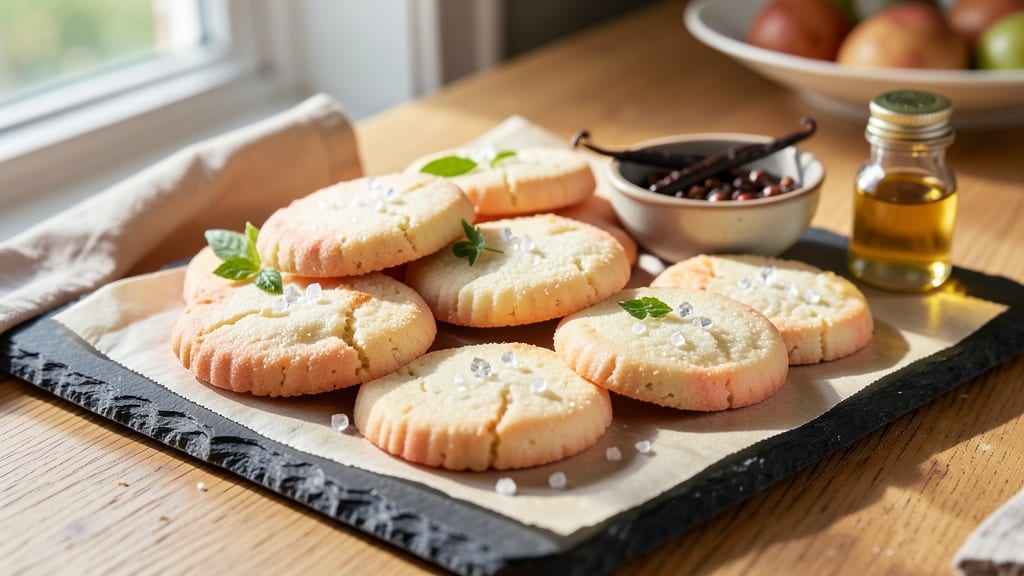
This award-winning shortbread cookie recipe earned top honors for its perfect balance of buttery richness and shatteringly crisp layers—no crumbs in sight. 💛 I’ve baked these for competitions and family gatherings, and they’ve never failed to impress.
The secret? Cold butter, precise measurements, and a gentle baking approach that keeps them tender yet firm.
What sets these apart is the foolproof technique that guarantees a golden, melt-in-your-mouth texture every time. Unlike store-bought versions, these cookies are made with high-fat European-style butter and just two ingredients (plus salt), ensuring that signature shortbread flavor without any fillers or shortcuts.
The dough chills for 30 minutes, which prevents spreading and ensures clean edges.
By the time they emerge from the oven, you’ll have crispy, caramelized edges with a velvety center that’s almost too tender to resist. They’re simple to shape—either classic rounds or festive holiday shapes—and pair perfectly with tea, coffee, or as a base for ice cream sandwiches.
The judges loved them for their restaurant-quality crunch and buttery depth.
Ready to bake a batch that’ll win over any crowd? Let’s get started—this recipe is easier than it looks, and the results are absolutely worth the effort. The key is patience, especially with the chilling and baking times, but trust me, it’s a small price for cookies this good.
Ingredients for award winning shortbread cookie
Two ingredients plus a few secrets for that award-winning shortbread magic.
| Ingredient | Amount | Notes |
|---|---|---|
| European-Style Unsalted Butter 🧈 | 2 cups | Cold and cubed for texture |
| Granulated Sugar 🍚 | ½ cup | Fine grain preferred |
| Diamond Crystal Kosher Salt 🧂 | ½ tsp | Fine grain preferred |
| All-Purpose Flour 🌾 | 2 cups | Sifted for lightness |
| Vanilla Extract 🌿 | 1 tsp | Pure, high-quality extract |
| Almond Extract 🌿 | ¼ tsp | Optional for depth |
| Powdered Sugar 🍚 | ¼ cup | For rolling (optional) |
| Cornstarch 🌾 | 1 tbsp | For extra crispness |
The butter makes or breaks these cookies. European-style unsalted butter has the highest fat content (82-86%), which is non-negotiable for that signature crunch and melt-in-your-mouth texture. Plugrá or President are my go-tos—find them in the international aisle at Whole Foods or specialty grocery stores. If you can't get European butter, Land O'Lakes or Kerrygold work in a pinch, but keep them ice cold. The sugar? Fine grain is key—it dissolves evenly and prevents graininess. I always sift the flour to avoid dense cookies, and the cornstarch is the secret weapon for that extra-crisp edge.
No European butter? Brown the butter first—it develops deeper flavors that mimic the richness. Short on almond extract? Skip it or use vanilla only—it's not essential, just adds complexity. Powdered sugar for rolling is optional, but it gives those classic shortbread ridges. For shaping, use a 2-inch round cutter for classic cookies or festive shapes for holidays. If your dough feels too sticky, chill it another 15 minutes. And trust me, don't skip the chilling—it prevents spreading and ensures clean edges.
These cookies keep beautifully. Store in an airtight container at room temperature for up to 5 days, though they're usually gone in a day. For longer storage, freeze the shaped cookies (before baking) for up to 3 months. Bake from frozen—just add 2-3 minutes to the baking time. The secret to reheating? 5 seconds in the microwave brings back that crispy edge without turning them soggy. Perfect for gifting—just package them in clear cellophane with a ribbon.
Why You'll Love This Recipe
- Five-Ingredient Magic: I swear by this recipe because it’s that simple—just butter, sugar, salt, flour, and a whisper of vanilla. No eggs, no fuss, no waiting for dough to rest. The kind of recipe that makes me feel like a baking genius even when I’m half-asleep.
- Butter-Sugar Bliss: That rich, European-style butter paired with just the right amount of sugar creates a cookie with a crisp shell and a melt-in-your-mouth center. Honestly, the first bite makes me forget all other cookies exist—it’s that good.
- Holiday or Snack Attack: I’ve used these for Christmas gifts, tea parties, and even as a quick dessert when I’m craving something sweet. They freeze beautifully too, so I can bake a batch and pull them out whenever I need a little something special.
- Budget-Friendly Luxury: Shortbread feels fancy, but this recipe costs next to nothing—just a few basic pantry staples. Between us, I’ve made these for under $2 a dozen, and they still taste like I spent hours in the kitchen. (Spoiler: I didn’t.)
Step-by-step instructions for award-winning shortbread cookies
Here's the method that won blue ribbons—crisp layers, melt-in-your-mouth butter, and that signature crunch.
👨🍳 Step 1: Cut and Chill the Butter
Take the 2 cups European-Style Unsalted Butter and cut it into ½-inch cubes while it's still cold (straight from the fridge). This is non-negotiable—cold butter creates those beautiful flaky layers. Place the cubes in a freezer-safe bowl and freeze for 10 minutes to firm up even more. I like to work in batches if I'm prepping ahead.
Here's the thing—this chilling step prevents the butter from melting into the flour too quickly. You want the dough to stay cool and workable. If your kitchen's warm, pop the butter back in the freezer for another 5 minutes before starting. Trust me, this makes all the difference for that perfect crumb structure.
👨🍳 Step 2: Mix Dry Ingredients with Precision
In a large mixing bowl, whisk together the 2 cups All-Purpose Flour, 0.5 cup Granulated Sugar, 0.5 tsp Diamond Crystal Kosher Salt, and 1 tbsp Cornstarch. Sift if your flour isn't pre-sifted—this prevents lumps and ensures an even texture. I use a fine-mesh sieve for this step because it really makes the dough smoother.
Next, stir in the 1 tsp Vanilla Extract and 0.25 tsp Almond Extract (if using). The almond extract adds that subtle depth that judges notice—it's what sets award winners apart. Mix these just until combined, about 10 seconds with a wooden spoon. Overmixing develops gluten, which we don't want in shortbread.
🍳 Step 3: Incorporate Butter for Flaky Layers
Remove the chilled butter cubes from the freezer and add them to the dry mixture. Using your fingers or a pastry cutter, work the butter into the flour until you have pea-sized crumbs with some larger butter pieces remaining. This is where the magic happens—the butter creates those crispy, melt-in-your-mouth layers when baked.
Press the mixture together gently—it should hold when you squeeze it, but not be too sticky. If it feels too dry, add 1 teaspoon cold water at a time until it comes together. The dough should be cool to the touch. If it starts to warm up, pop it back in the fridge for 5 minutes to reset.
🥘 Step 4: Shape and Chill the Dough
Divide the dough into 2 equal portions and flatten each into a 6-inch round on parchment-lined baking sheets. Press down firmly and evenly—this ensures consistent thickness for even baking. I use my palms and press straight down, rotating the dough slightly to create a perfect circle.
Wrap each round tightly in plastic wrap and refrigerate for at least 1 hour (or up to 24 hours for best results). This chilling step is crucial—it prevents the cookies from spreading too much in the oven. The longer they chill, the more flavor develops too. Pro tip: I like to chill them overnight for maximum flavor impact.
🔥 Step 5: Bake to Golden Perfection
Preheat your oven to 325°F—this lower temperature gives you that perfect crispy edge without burning. Remove one round of dough from the fridge and place it on a parchment-lined baking sheet. Bake for 25-30 minutes until the edges are deep golden brown and the center is just starting to color.
Here's the key: the cookies should be firm to the touch but not rock-hard. They'll continue setting as they cool. Let them cool on the baking sheet for 10 minutes before transferring to a wire rack. For extra crispiness, dust the tops with 0.25 cup Powdered Sugar while still warm. These cookies are best enjoyed at room temperature, so resist the urge to dig in right away!
Pro Tips For Making Award Winning Shortbread Cookie
- USE COLD BUTTER: This isn’t about butter straight from the fridge—it’s about butter that’s been chilled for at least 30 minutes after you take it out of the package. European-style butter is rich enough to handle this, but if it’s too soft, your shortbread will spread into sad, greasy puddles instead of crisp edges. I learned this the hard way when I rushed and ended up with cookies that looked like melted crayons.
- WEIGH YOUR FLOUR: Scooping and packing flour is where shortcuts go wrong. Use a kitchen scale for the flour—1 cup of all-purpose flour can vary by 10-15 grams depending on how you measure. For award-winning shortbread, precision matters because the texture hinges on that perfect ratio of butter to flour. (Yes, even if you’re impatient like me.)
- SALT THE BUTTER: Skip adding salt to the dough if you’re using unsalted European butter—it’s already got enough. But here’s the real move: mix the kosher salt directly into the butter before creaming. It dissolves better and distributes evenly, so every bite gets that subtle, balanced flavor instead of clumps of salt hiding in the center.
- PRESS, DON’T ROLL: This isn’t pie dough—don’t roll it out. Press the dough into the pan with your hands (fingertips first, then palms) to create a smooth, even layer. The goal is to lock in those crisp edges while keeping the center tender. I was skeptical until I tried it—now I resist the urge to use a rolling pin, even when I’m in a hurry.
Storing and reheating this dish
Room Temperature Storage
Store your freshly baked shortbread cookies in an airtight container at room temperature for up to 5 days. I swear by amber glass jars with silicone seals—they keep the cookies crisp and prevent moisture buildup.
Line the container with parchment paper to avoid sticking, and place the cookies in a single layer. The key is to let them cool completely before storing to maintain that perfect crunch. 💛
Freezer Preservation
For longer storage, shape the dough into cookies and freeze them on a parchment-lined tray for 1 hour before transferring to a freezer bag. This prevents them from sticking together.
They’ll keep for up to 3 months in the freezer—just bake straight from frozen, adding 2-3 extra minutes to the baking time. I love this method for holiday gifting—just package them in clear cellophane with a ribbon for a beautiful presentation.
Reheating Secrets
Shortbread cookies lose their crispness when reheated, but a 5-second burst in the microwave (covered with a damp paper towel) brings back that satisfying crunch.
For a stovetop method, place the cookies on a wire rack over a low-heat skillet for 10-15 seconds per side—this warms them without making them soggy. Avoid the oven, as it can dry them out too much. A little heat goes a long way!
Gift-Worthy Packaging
For a restaurant-quality presentation, wrap individual cookies in parchment paper and tie them with a silk ribbon. I use clear cellophane bags with a gold seal for a luxurious touch—perfect for weddings or corporate gifts.
Store them in a cool, dark place (like a cupboard) to maintain freshness. These cookies are so good, they’ll disappear faster than you can say "blue ribbon." ✨
Flavor Boost After Storage
If your cookies have lost some of their crispness after storage, sprinkle them with powdered sugar or dip the edges in melted chocolate for a quick flavor and texture upgrade. A pinch of flaky sea salt on top adds a sophisticated contrast.
The secret to keeping them tasting fresh? Store them with a small piece of bread in the container—it absorbs moisture and keeps the cookies at their best.
Serving Suggestions
Serve these cookies with hot tea or coffee for the ultimate pairing—the buttery richness balances the warmth perfectly. For a dessert twist, stack them with vanilla ice cream or whipped cream for an ice cream sandwich.
I also love serving them at holiday parties with a side of dark chocolate ganache for dipping. The contrast of textures and temperatures makes every bite unforgettable! 🍵
Nutrition facts
Frequently asked questions
Why do these shortbread cookies need to chill for so long?
The 1-hour (or overnight) chill is what creates those signature crisp layers and prevents spreading. Cold butter stays firm during baking, creating clean edges and that melt-in-your-mouth texture. Pro tip: Chilling overnight actually enhances the flavor by letting the ingredients meld together.
Can I use regular butter instead of European-style?
You can try, but the results won't be as award-winning. Regular butter has lower fat content (80% vs. 82-86% in European), which affects the crunch and richness. If you must substitute, brown the butter first to develop deeper flavors. For best results, use Land O'Lakes or Kerrygold and keep everything ice cold.
How do I get the perfect golden edges without burning?
Bake at 325°F for 25-30 minutes until edges are deep golden. The key is patience—they'll continue setting as they cool. Rotate the pan halfway through baking for even color. If your oven runs hot, reduce to 300°F and watch closely after 20 minutes. Overbaking = crunchy, not crispy!
What's the deal with the almond extract?
It's optional but adds that subtle depth judges notice! The 0.25 tsp almond extract enhances the buttery flavor without overpowering. Skip it if you prefer classic vanilla-only shortbread. For a twist, try orange zest or lemon extract instead—just use 0.5 tsp of citrus zest or 0.25 tsp extract.
Why do my shortbread cookies turn out crumbly?
Overmixing develops gluten, which makes them crumbly. Work the butter into the flour just until pea-sized crumbs form—no need to overwork. Also, ensure your butter is cold (not softened) and your oven isn't too hot. If the dough feels dry, add 1 tsp cold water at a time. The secret? Less handling = better texture!