
Desserts
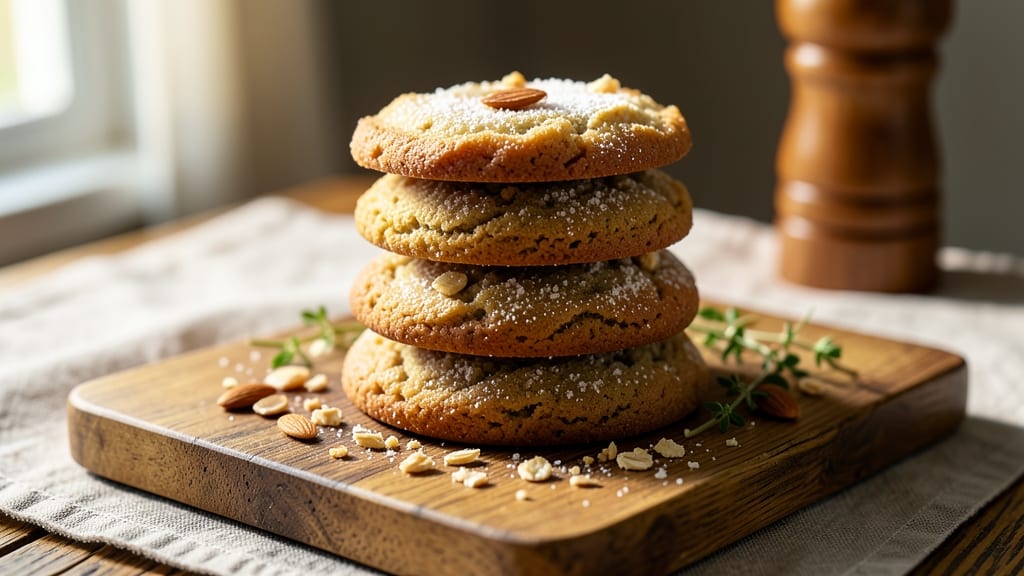
This allergy-free sugar cookie recipe delivers the perfect balance of crunchy edges and soft centers without gluten, dairy, or eggs—proving dietary restrictions don’t mean sacrificing texture or flavor. 💛 The secret lies in a precise blend of gluten-free flour and egg substitutes that create that signature tender-yet-firm bite, while a touch of coconut oil ensures melt-in-your-mouth richness.
What sets this recipe apart is its foolproof technique for achieving restaurant-quality results at home. We’ll use a combination of almond flour and oat flour for structure, while flax eggs bind the dough without compromising taste.
The dough rests just long enough to develop flavor but not so long that it becomes tough—a critical balance for gluten-free baking.
By the time these cookies emerge from the oven, you’ll have golden, crackly edges with a tender interior that holds its shape. The aroma of vanilla and cinnamon will fill your kitchen, and the sweetness is perfectly balanced, never cloying.
These cookies stay fresh for days, making them ideal for gifting or meal prep.
Whether you’re accommodating allergies or simply exploring gluten-free baking, this recipe proves delicious desserts aren’t limited by dietary needs. Let’s get started with a method that’s both inclusive and impressive—no special equipment required.
Ingredients for allergy free sugar cookie
These allergy-friendly ingredients create restaurant-quality cookies without gluten, dairy, or eggs.
| Ingredient | Amount | Notes |
|---|---|---|
| Almond Flour 🌰 | 1 cup | Finely ground for texture |
| Oat Flour 🌾 | 1 cup | Blended from rolled oats |
| Granulated Sugar 🍚 | 1 cup | Superfine preferred for smoothness |
| Coconut Oil 🥥 | ½ cup | Melted, full-fat for richness |
| Ground Flaxseed 🌱 | 2 tbsp | Mixed with water for flax eggs |
| Vanilla Extract 🌸 | 1 tbsp | Pure, high-quality extract |
| Ground Cinnamon 🌿 | 1 tsp | Freshly ground for warmth |
| Salt 🧂 | ½ tsp | Fine sea salt preferred |
| Baking Soda 🍞 | ½ tsp | Pure, aluminum-free |
| Unsweetened Applesauce 🍎 | ½ cup | Unseasoned, for moisture |
| Powdered Sugar 🍚 | ½ cup | For rolling and finishing |
| Almond Slices 🌰 | ¼ cup | Optional, for decoration |
The almond flour and oat flour blend is key—Bob’s Red Mill has great pre-ground options, but blending your own oat flour ensures no grittiness. For almond flour, Trader Joe’s is reliable and affordable. If you’re making your own oat flour, pulse rolled oats in a food processor until ultra-fine (no chunks!). The coconut oil needs to be full-fat and refined—virgin coconut oil adds a strong flavor. Store both flours in airtight containers to prevent moisture absorption, which ruins their texture.
No flaxseed? Chia seeds work at double the amount (1 tbsp chia + 3 tbsp water = 1 flax egg). Applesauce can be swapped for mashed banana at half the quantity, but it adds moisture, so reduce the flax eggs slightly. For vanilla, imitation extract is a no-go—look for pure vanilla extract or vanilla bean paste for depth. The powdered sugar should be 10X or confectioners’ sugar—avoid the clumpy, pre-mixed kind. If you can’t find almond slices, crushed pistachios or toasted coconut flakes make great substitutes.
Mix the dry ingredients first, then fold in wet components to avoid overmixing. The dough will be thick but pliable—don’t overwork it, or the cookies will spread too much. Portion into 1-inch balls and flatten slightly before baking. These cookies keep in an airtight container for 5-7 days at room temperature, or freeze the dough balls for up to 3 months. For extra crunch, sprinkle powdered sugar on top right after baking while still warm.
Why You'll Love This Recipe
- No-Fuss Mixing: I swear by this dough—just fold everything in a bowl. No stand mixer, no overworking, just almond flour’s buttery richness and oat flour’s subtle chewiness coming together like magic. The flaxseed egg binds it all without cracking, and coconut oil keeps it tender without greasiness. Honestly, it’s the kind of recipe where you’ll forget you’re avoiding allergens.
- Buttery Vanilla Hug: That sugar cookie taste? Spot-on. The almond flour gives it a delicate marzipan note, while the oat flour keeps it from being too dense. A pinch of salt and a splash of vanilla extract make it taste like the cookies you grew up with—just without the dairy or gluten. Between us, I’ve had people ask for the recipe and not even notice it’s allergy-friendly.
- Holiday or Snack Attack: Roll these out for gingerbread cutouts at Christmas or bake them into thumbprints for a last-minute party platter. They freeze perfectly for months, so I always double the batch. My kid’s school bake sale loves them, and my gluten-free friends request them year-round. Not the prettiest, but the taste makes up for it every time.
- Pantry Staple Win: You’re probably already using these ingredients—almond flour, oats, sugar, coconut oil. The flaxseed might be new, but it’s cheap and lasts forever. Make a batch, store them in the fridge for a week, or freeze the dough for months. I’ll be real: this is my go-to when I need something sweet but can’t rely on store-bought treats. Solid every time.
Step-by-step instructions for allergy-free sugar cookies
Here's how to make perfectly balanced cookies with crisp edges and soft centers—no gluten in sight.
👨🍳 Step 1: Make the Flax Eggs and Melt the Coconut Oil
In a small bowl, whisk together the 2 tbsp ground flaxseed with 3 tbsp water (just enough to make a gel-like consistency). Let this sit for 5 minutes while you work—this becomes your egg substitute. In a separate microwave-safe bowl, melt the 0.5 cup coconut oil in 20-second bursts, stirring between each until fully liquid. The oil should be warm but not hot to the touch.
Here's the thing—flax eggs bind differently than regular eggs, so we need to give them time to thicken. I always double-check the consistency before moving forward; it should be like a thick pudding. Keep both mixtures nearby as you'll use them in the next step.
👨🍳 Step 2: Mix Dry and Wet Ingredients Separately
In a large mixing bowl, whisk together the 1 cup almond flour, 1 cup oat flour, 1 cup granulated sugar, 1 tsp ground cinnamon, 0.5 tsp salt, and 0.5 tsp baking soda. Give it a good stir to break up any lumps in the flours. In another bowl, combine the melted coconut oil, 0.5 cup unsweetened applesauce, 1 tbsp vanilla extract, and the flax egg mixture. The wet ingredients should look like a thick, smooth batter.
I like to use separate bowls for dry and wet ingredients first—it prevents overmixing and ensures even distribution. The applesauce keeps these cookies tender without adding moisture, while the coconut oil gives that signature sugar cookie richness. Don't worry if the batter looks thick; it will come together perfectly.
🥘 Step 3: Combine and Chill the Dough
Gradually add the dry ingredients to the wet ingredients, mixing just until combined. You'll want to use a silicone spatula or wooden spoon—this prevents overmixing which can make the cookies tough. The dough will be thick and slightly sticky, but should hold together when pressed. If it's too sticky, chill it longer (up to 30 minutes).
Now for the crucial chilling step: cover the dough with plastic wrap and refrigerate for at least 1 hour (up to 24 hours). This resting period allows the flours to hydrate properly and prevents excessive spreading when baking. I know it's tempting to skip this, but trust me—it makes all the difference for that perfect texture.
🔥 Step 4: Roll and Cut the Cookies
Preheat your oven to 350°F and line two baking sheets with parchment paper. On a lightly floured surface, roll out the chilled dough to about ¼-inch thickness. I use a rolling pin, but if you're feeling fancy, a glass bottle works too. Cut into your favorite shapes using cookie cutters—classic rounds or festive holiday shapes both work beautifully.
Place the cut cookies on the prepared baking sheets, leaving about 2 inches between each one. They won't spread much, but this gives them room to bake evenly. For extra flair, press a few almond slices onto the tops before baking. The oven should be fully preheated before adding the cookies—this ensures even baking from the start.
⏰ Step 5: Bake to Golden Perfection
Bake the cookies for 10-12 minutes until the edges are golden brown but the centers still look slightly soft. They'll firm up as they cool. I usually check at the 10-minute mark—they're done when they're just set at the edges but still pillowy in the middle. Remove from the oven and let them cool on the baking sheet for 5 minutes before transferring to a wire rack.
While they cool, make a quick powdered sugar glaze by whisking together the 0.5 cup powdered sugar with 1-2 tsp milk of choice (or water) until smooth. Drizzle over the cooled cookies for that classic sugar cookie finish. These allergy-friendly cookies will keep well in an airtight container for up to 5 days, though they rarely last that long!
Pro Tips For Making Allergy Free Sugar Cookie
- Chill the Dough Properly: I learned this the hard way—rolling out almond/oat flour dough straight from the fridge leads to cracks. Wrap the dough in plastic and refrigerate for at least 2 hours (or overnight if you’re impatient like me). The cold makes it easier to handle and prevents those frustrating splits when cutting shapes.
- Toast the Oat Flour: Skipping this step means your cookies will taste raw and slightly bitter. Pulse the oats in a dry pan over medium heat for 3-4 minutes until golden, then grind them. The nutty aroma deepens, and the texture stays crisp instead of gummy.
- Use Room-Temp Coconut Oil: Cold coconut oil solidifies into clumps, throwing off your cookie’s texture. Let it sit in a warm (not hot) spot for 10-15 minutes until soft but not melted. This ensures even distribution in the dough—no greasy patches, no dry spots.
- Press, Don’t Roll: Almond flour dough is delicate. Instead of rolling, press it gently into a ¼-inch-thick sheet with your hands or a dough scraper. Overworking it turns cookies dense, and underworking leaves them crumbly. A light touch keeps them tender.
Perfect pairings for these flavors
Creamy Dairy-Free Frosting
Skip the buttercream and make a luscious dairy-free frosting using ½ cup dairy-free margarine (like Miyoko’s) and 2 cups powdered sugar. Whip in 1 tsp vanilla extract and 1-2 tbsp milk of choice until smooth.
This frosting is light enough to avoid overwhelming the delicate cookie texture. For extra flavor, add ½ tsp almond extract or a pinch of cinnamon. 🥛
Warm Spiced Milk Dip
Heat 1 cup milk of choice (dairy-free or regular) with 1 tsp vanilla extract, ½ tsp cinnamon, and a pinch of salt until steaming. Serve warm in small cups alongside cookies for dipping—it enhances the vanilla and cinnamon flavors beautifully.
For a festive twist, add a sprinkle of ground nutmeg or cardamom to the milk. 🌟
Fruit Compote Pairing
Simmer 1 cup mixed berries (like raspberries or blackberries) with 2 tbsp sugar and 1 tsp lemon juice until thickened. This tart-sweet compote cuts through the richness of the cookies and adds a fresh contrast. Serve at room temperature or slightly chilled for the best texture. 🍓
Chocolate Ganache Drizzle
Melt ½ cup dairy-free chocolate chips (like Enjoy Life brand) with ¼ cup coconut cream over a double boiler, then let cool slightly. Drizzle over cooled cookies for a decadent finish.
For extra flair, sprinkle with crushed freeze-dried strawberries or toasted coconut flakes. This adds a sophisticated touch without altering the cookie’s texture. 🍫
Coffee or Tea Pairings
Serve these cookies with a cup of hot chai tea or espresso to balance their sweetness. The cinnamon in the cookies pairs beautifully with the warmth of chai spices, while the bitterness of coffee enhances the vanilla notes.
For a non-caffeinated option, try vanilla rooibos tea—it’s naturally sweet and allergy-friendly. ☕
Seasonal Variations
In winter, add ½ tsp orange zest to the dough and pair with orange glaze (mix powdered sugar with orange juice). For spring, swap cinnamon for ½ tsp lemon zest and serve with a lemon curd drizzle**. These seasonal twists keep the cookies exciting year-round. 🌸
Nutrition facts
Frequently asked questions
Can I make these cookies without almond flour?
Yes! Replace the almond flour with 1 cup gluten-free 1:1 baking flour (like Bob's Red Mill) for a neutral flavor, or use 1 cup coconut flour—just add 1 extra egg (or flax egg) since coconut flour absorbs more moisture. The texture will be slightly different but still delicious.
Why do my gluten-free cookies spread more than regular ones?
Gluten-free flours lack the elastic proteins that prevent spreading, so chilling the dough for at least 1 hour is critical. Also, avoid overmixing—combine dry and wet ingredients just until combined. For extra stability, add 1 tbsp cornstarch to the dry ingredients.
How do I store these allergy-free cookies?
Keep them in an airtight container at room temperature for 5-7 days, or freeze the dough balls for 3 months. For extra freshness, place a slice of bread in the container to absorb moisture. Reheat in the oven for 10 seconds to restore crispness.
Can I make these cookies nut-free?
Skip the almond flour and use 2 cups oat flour instead. For binding, add 1 extra flax egg (3 tbsp flaxseed + 4.5 tbsp water). The texture will be slightly denser but still tender. Double-check your oat flour for cross-contamination if severe nut allergies are a concern.
What's the best way to test for doneness?
Look for golden edges and a slightly soft center—they'll firm up as they cool. Insert a toothpick: if it comes out with a few moist crumbs (not wet batter), they're done. Overbaking makes them dry, so pull them when they're just set at the edges.