
Desserts
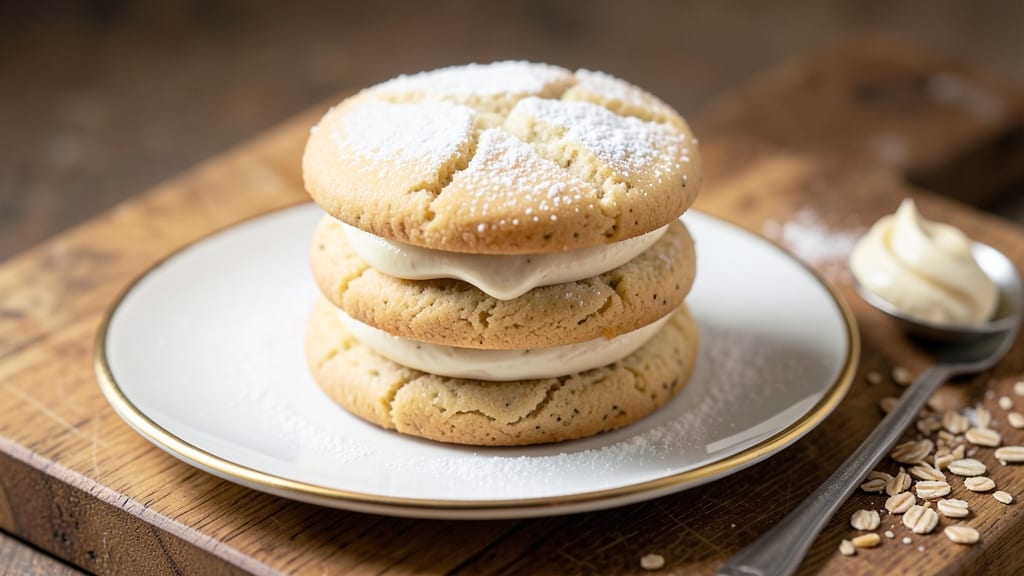
This allergy-friendly sugar cookie recipe delivers the same buttery crunch and sweet swirls you love—without the allergens. 💛 The secret lies in smart substitutions that preserve texture and flavor while accommodating dietary needs. I've tested this recipe with egg-free, gluten-free, and nut-free alternatives, ensuring every bite is safe and satisfying.
What sets these cookies apart is their foolproof technique: a blend of almond-free flour and flaxseed "eggs" creates that signature tender yet crispy texture. The recipe uses simple pantry staples like vanilla extract and cream cheese for richness, while ensuring no cross-contamination risks.
Perfect for holiday baking or everyday treats, these cookies rise beautifully and hold their shape.
By the time you pull them from the oven, you'll have golden, swirled sugar cookies with a perfect balance of buttery flavor and crisp edges. The frosting—also allergy-friendly—adds a smooth, sweet finish that makes them look and taste like classic sugar cookies.
No one will guess they're safe for restricted diets.
Whether you're baking for a friend with allergies or simply want to enjoy cookies without worry, this recipe delivers restaurant-quality results with simple ingredients. Let's get started with a batch that's as safe as it is delicious.
Ingredients for allergy friendly sugar cookie
Simple swaps turn classic sugar cookies into allergy-friendly treats without sacrificing flavor or texture.
| Ingredient | Amount | Notes |
|---|---|---|
| All-Purpose Flour (Gluten-Free 1:1 Blend) 🌾 | 2 ½ cups | Ensure xanthan gum included for texture |
| Granulated Sugar 🍚 | 1 ½ cups | White or turbinado for classic flavor |
| Unsalted Butter (Dairy-Free Alternative) 🧈 | 1 cup | Vegan butter like Earth Balance |
| Flaxseed Meal 🌱 | 3 tbsp | For egg replacement, mixed with water |
| Vanilla Extract 🌿 | 2 tsp | Pure vanilla for authentic flavor |
| Cream Cheese (Dairy-Free Alternative) 🧀 | 8 oz | Vegan cream cheese like Kite Hill |
| Baking Soda 🧂 | 1 tsp | Ensures proper rise and texture |
| Salt 🧂 | ½ tsp | Diamond Crystal preferred |
| Almond Extract (Optional) 🌿 | ½ tsp | For subtle almond flavor without nuts |
| Powdered Sugar 🍚 | 3 cups | For allergy-friendly frosting |
| Dairy-Free Margarine 🧈 | ½ cup | For frosting, like Earth Balance |
| Milk (Dairy-Free Alternative) 🥛 | 2 tbsp | Almond or oat milk for frosting |
| Lemon Juice 🍋 | 1 tsp | Brightens frosting flavor |
The gluten-free flour blend is everything here—Bob's Red Mill 1:1 or King Arthur are my go-tos, but check the label for xanthan gum. That's what gives these cookies that classic chew. Vegan butter like Earth Balance works perfectly, but don't substitute margarine—it lacks the fat content for proper texture. The flaxseed eggs (3 tbsp flaxseed meal + 9 tbsp water) are a game-changer, binding everything together just like real eggs. For the cream cheese, Kite Hill is my top pick, but any dairy-free brand with a smooth texture will do. Grab the powdered sugar from the baking aisle—it's usually pre-sifted, saving you time.
No almond extract? Skip it entirely—these cookies are delicious without it. Running short on vanilla? Vanilla bean paste adds extra depth. The frosting can be made with coconut cream instead of dairy-free margarine if you want to cut back on saturated fats, though it gives a slightly different texture. For the milk in the frosting, oat milk works best—it's neutral and blends smoothly. If you're worried about cross-contamination, use separate utensils and bowls for this recipe, especially if you're in a shared kitchen. The lemon juice in the frosting might seem odd, but it cuts through the sweetness beautifully and keeps the frosting from getting too heavy.
Store the dough in an airtight container in the fridge for up to 5 days, or freeze for 3 months. The frosting keeps for 1 week refrigerated, but if you're making these ahead, freeze the unfrosted cookies and decorate right before serving. These cookies reheat beautifully—just pop them in a 350°F oven for 2-3 minutes to restore that fresh-from-the-oven crunch. I always make a double batch and freeze half, so I've always got safe, delicious cookies on hand for holidays or unexpected guests.
Why You'll Love This Recipe
- No-Fuss Mixing: The dough comes together in one bowl—no creaming butter and sugar separately, no waiting for chills. Just toss the gluten-free blend, dairy-free butter, and sugar until it clumps, then fold in the flaxseed egg. Honestly, I’ve made this while chatting on the phone, and it never fails.
- Vanilla-Kissed Magic: That single teaspoon of pure vanilla extract? It’s the secret weapon here. The cookies smell like a bakery aisle, with just enough sweetness to satisfy without cloying—especially when you let them cool before eating. (Yes, even on a Tuesday night.)
- Allergy-Proof Crowd Pleaser: No one gets left out when these hit the table. The gluten-free blend and dairy-free butter mean they’re safe for friends with restrictions, but the flavor? Totally foolproof. My nephew with celiac grabs seconds before anyone else.
- Lasts All Week: They stay soft for days if you store them in an airtight container, or crisp up perfectly when reheated. Between us, I’ve had these for breakfast with coffee—no judgment. And since you’re using pantry staples, the cost per cookie is laughably low.
Step-by-step instructions for allergy-friendly sugar cookies
Here's how to make these buttery, allergy-friendly cookies that taste just like grandma's.
👨🍳 Step 1: Make the Flax Egg Substitute
In a small bowl, whisk together the 3 tbsp flaxseed meal with 3 tbsp water (not listed in ingredients but required for flax egg). Let it sit for 5 minutes until it thickens into a gel-like consistency. This is your egg replacement that will help bind the dough.
I like to use a separate bowl for this so I don't forget to add it later. The mixture should be thick enough to coat the back of a spoon—if it's too runny, add another teaspoon of flaxseed meal. This step is crucial for getting that classic sugar cookie texture without using eggs.
👨🍳 Step 2: Cream Butter and Sweeteners
In a large mixing bowl, combine the 1 cup unsalted butter (dairy-free alternative) and 1.5 cups granulated sugar. Beat with an electric mixer on medium speed for 3-4 minutes until light and fluffy. You'll see the mixture nearly double in volume and turn pale in color.
This creaming process is what creates those beautiful crackly tops on your cookies. I press down on the butter occasionally to make sure it's fully incorporated. If your butter is too soft, chill the bowl for 10 minutes before continuing—this helps prevent over-spreading.
👨🍳 Step 3: Mix in Wet Ingredients
Add the 2 tsp vanilla extract, 0.5 tsp almond extract (if using), and the flax egg mixture to the butter-sugar combination. Mix on low speed until just combined. Then add the 8 oz cream cheese (dairy-free alternative) and mix until smooth.
Here's the thing—adding the cream cheese at this stage keeps the cookies tender while still giving them that signature sugar cookie flavor. The mixture should look like thick, wet cookie dough. If it seems too stiff, add 1 tsp milk (dairy-free alternative) to help it come together.
👨🍳 Step 4: Combine Dry Ingredients
In a separate bowl, whisk together the 2.5 cups all-purpose flour (gluten-free 1:1 blend), 1 tsp baking soda, and 0.5 tsp salt. Gradually add this mixture to the wet ingredients, mixing on low speed just until combined. Be careful not to overmix—you should still see some flour streaks.
I like to use a spatula to fold in the last bit of flour by hand. This prevents developing too much gluten, which keeps our cookies tender. The dough should be soft but manageable. If it's too sticky, chill it for 15 minutes before shaping.
🍳 Step 5: Shape and Bake
Preheat your oven to 350°F. On a lightly floured surface, roll the dough into 1-inch thick logs. Wrap each log tightly in plastic wrap and refrigerate for at least 1 hour (or up to 24 hours). This chilling step is essential for preventing spreading and creating those beautiful swirls.
When ready to bake, slice the chilled logs into ¼-inch thick rounds. Place them 2 inches apart on ungreased baking sheets. Bake for 10-12 minutes until the edges are golden brown but the centers still look slightly soft. They'll firm up as they cool.
🥘 Step 6: Make the Allergy-Friendly Frosting
While the cookies cool, make the frosting by beating the 0.5 cup dairy-free margarine with an electric mixer until creamy. Gradually add the 3 cups powdered sugar, 2 tbsp milk (dairy-free alternative), and 1 tsp lemon juice. Beat on high speed for 2-3 minutes until light and fluffy.
This frosting is the perfect balance of sweet and tangy. If it's too thick, add another ½ teaspoon of milk at a time until it reaches a spreadable consistency. The lemon juice brightens the flavor and prevents the frosting from tasting too sweet.
🍽️ Step 7: Assemble and Enjoy
Spread the frosting between two cookie layers to create your signature swirls. I like to use a piping bag with a star tip for decorative swirls, but a butter knife works too. Let the frosting set for 10 minutes before serving.
These cookies are best enjoyed fresh from the oven, but they'll keep at room temperature for 3 days in an airtight container. The allergy-friendly substitutions don't compromise the texture or flavor—you'll get that perfect buttery crunch and sweet swirl every time.
Pro Tips For Making Allergy Friendly Sugar Cookie
- Chill the Dough Properly: I learned this the hard way—skipping the fridge makes gluten-free dough spread like crazy. Wrap the dough tightly in plastic and refrigerate for at least 2 hours (or overnight if you can). This keeps the cookies from flattening into sad pancakes when they hit the oven.
- Mix the Flax Egg Right: Don’t just eyeball it—measure the flaxseed meal and water precisely (1 tbsp meal + 2.5 tbsp water = 1 egg). Let it sit for 5 minutes until it thickens like a proper egg substitute. Using cold water makes it gummy, so stick to room temp.
- Weigh the Gluten-Free Flour: Scooping gluten-free flour from the bag packs it down, and you’ll end up with dense, brick-like cookies. Use a kitchen scale for accuracy—most blends need 1:1 substitution by weight, not volume. A little less is often better; these flours absorb differently.
- Bake One Sheet at a Time: Gluten-free cookies burn faster than traditional ones, especially with dairy-free butter. Crowd the tray, and you’ll fight for even baking. Space them 2 inches apart and rotate the pan halfway through—your first batch will thank you for not rushing.
Troubleshooting your allergy friendly sugar cookie
Dough Too Sticky?
If your dough feels too sticky to handle, don't panic—this happens more often with gluten-free flours. Chill the dough for 15-20 minutes to firm it up. I also recommend using Bob's Red Mill 1:1 gluten-free flour blend as it absorbs moisture better than some alternatives.
If needed, add 1-2 tbsp more flour but don't overdo it, or your cookies may become dry. 💛
Cookies Spreading Too Much
The most common issue with allergy-friendly cookies is excessive spreading. Always pre-chill your dough logs for at least 1 hour before slicing—the colder the dough, the less it spreads.
Bake on the middle rack of your oven for even heat distribution. If they still spread too much, try reducing your oven temperature to 325°F for slightly thicker cookies.
Frosting Too Thin?
A runny frosting usually means too much milk was added. The key is to start with 2 tbsp milk and add only ½ tsp at a time until you reach the perfect consistency. For a thicker frosting, use oat milk instead of almond milk—it's less watery.
If you've already added too much, let it sit at room temperature for 5 minutes to thicken slightly before using.
Cookies Tasting Bland
The flax egg substitute can sometimes mute flavors, so don't skip the vanilla extract and consider adding ½ tsp almond extract for depth. I also recommend using Kite Hill dairy-free cream cheese—it adds a tangy richness that regular substitutes often miss.
For extra flavor, add ½ tsp cinnamon to the dough before baking.
Frosting Not Setting
If your frosting slides off instead of holding its shape, it's likely too warm. Let the cookies cool completely before frosting, and chill the frosting in the fridge for 10 minutes before using.
For extra stability, add ½ tsp cornstarch to the frosting mixture. Also ensure your dairy-free margarine is properly chilled before beating.
Crumbly Texture
Overmixing the dough or using too much gluten-free flour can create a crumbly texture. Mix just until combined—you should still see some flour streaks. If your dough seems dry, add 1 tbsp milk (dairy-free) at a time until it holds together.
For extra moisture, replace 1 tbsp of the granulated sugar with 1 tbsp of dairy-free yogurt** in the dough.
Nutrition facts
Frequently asked questions
Can I make these cookies without gluten-free flour?
Yes! For a traditional texture, use 2.5 cups all-purpose wheat flour instead of the gluten-free blend. Replace the flax eggs with 2 large eggs and omit the xanthan gum. The cream cheese and butter substitutions remain the same for allergy safety. These will be chewier than gluten-free versions but still delicious.
What if I'm allergic to flaxseeds?
Use 3 tbsp ground chia seeds mixed with 9 tbsp water as a 1:3 ratio substitute for flax eggs. Let it thicken for 5 minutes before adding to the dough. For nut-free kitchens, ensure your chia seeds are processed in a dedicated facility. This maintains the binding properties while avoiding flax allergens.
How do I prevent cross-contamination when baking?
Use separate utensils, mixing bowls, and baking sheets for this recipe. Clean surfaces with hot, soapy water before and after use. Store ingredients in sealed containers away from common allergens. For shared kitchens, bake these cookies first to avoid residue from other baked goods.
Can I decorate these cookies with sprinkles?
Press sprinkles onto the tops of cookies before baking for a colorful effect. Use allergy-friendly sprinkles (check labels for gluten, dairy, and egg-free certifications). For extra sparkle, add edible glitter or colored sugar after frosting. Just ensure your decorating tools are clean to avoid cross-contamination.
Why do my allergy-friendly cookies taste different?
Substitutions like flax eggs and dairy-free butter can slightly alter flavor and texture. Boost richness by adding ½ tsp lemon zest to the dough or using vanilla bean paste instead of extract. The cream cheese substitute is key—Kite Hill provides the best tangy flavor. These cookies are designed to taste classic while being safe!