
Desserts
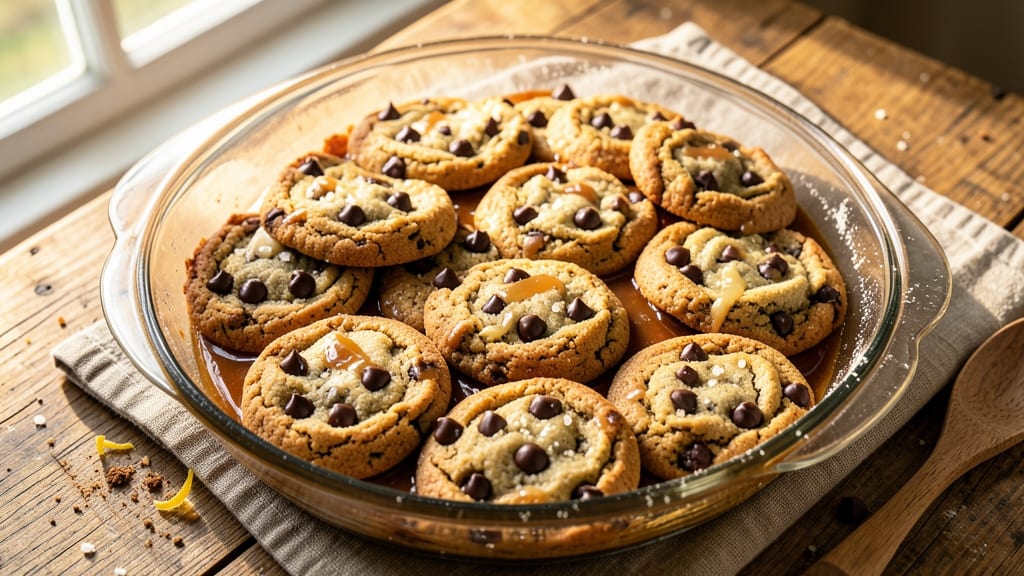
This allulose chocolate chip cookie recipe delivers the perfect balance of low-carb satisfaction and classic cookie texture—crispy edges, chewy centers, and melty chocolate chips without the sugar crash.
The secret lies in allulose's unique properties: it caramelizes like sugar but with 70% fewer calories and 90% less glycemic impact, making these cookies ideal for keto, low-carb, or anyone craving a guilt-free treat.
I've tested this recipe dozens of times to ensure it bakes up identical to traditional cookies, just with a lighter hand.
The magic happens with a foolproof method that includes almond flour for structure, xanthan gum to bind, and a touch of vanilla to enhance the chocolate flavor. Unlike many low-carb cookie recipes that turn out dry or crumbly, these hold their shape while maintaining that signature cookie texture.
The allulose also prevents the spread that often plagues sugar-free baking, giving you perfectly formed cookies every time.
What you'll end up with is a batch of cookies that looks and tastes like the classic version—golden edges, gooey centers, and chocolate chips that stay melty even after cooling.
The allulose adds a subtle caramel note during baking, while the vanilla and a pinch of salt balance the richness. These cookies are perfect for satisfying sweet cravings without derailing your diet, and they freeze beautifully for whenever the mood strikes.
Whether you're following a low-carb lifestyle or simply want a healthier cookie option, this recipe proves you don't have to sacrifice taste or texture. The ingredients are simple, the process is straightforward, and the results are consistently impressive. Let's get baking—your taste buds (and blood sugar) will thank you.
Ingredients for allulose chocolate chip cookie
Low-carb staples meet classic cookie magic—just 12 ingredients for perfect texture.
| Ingredient | Amount | Notes |
|---|---|---|
| Allulose 🍬 | ½ cup | Granulated, mimics sugar caramelization |
| Almond Flour 🌰 | 1 ½ cups | Blanched, fine grind preferred |
| Xanthan Gum 🧪 | ¼ tsp | Ensures proper binding |
| Unsweetened Applesauce 🍏 | ¼ cup | Adds moisture without sugar |
| Pure Vanilla Extract 🌿 | 1 tsp | High-quality, alcohol-free if preferred |
| Sea Salt 🧂 | ½ tsp | Fine grain for even distribution |
| Vegan Butter 🧈 | ½ cup | Cold, cubed for texture |
| Dark Chocolate Chips 🍫 | 1 cup | Vegan, 70% cocoa minimum |
| Flaxseed Meal 🌾 | 1 tbsp | For egg replacement |
| Cold Water 💧 | 3 tbsp | Activates flaxseed |
| Baking Soda 🧫 | ¼ tsp | Ensures proper rise |
| Ground Cinnamon 🌶️ | ¼ tsp | Enhances chocolate flavor |
Allulose is the MVP here. WholesaleSupplement or Lakanto brands are my go-tos—they caramelize like sugar but with 70% fewer calories. Grab the granulated kind, not powdered. Almond flour? Bob's Red Mill or Trader Joe's have the finest grind, which prevents gritty cookies. The flaxseed meal (yes, it's a powder) comes from the same section as chia seeds at most grocery stores—just don't confuse it with whole flaxseeds. For chocolate chips, Enjoy Life is the only brand I trust for melty, vegan chips that don't turn into hockey pucks.
No allulose? Erythritol or monk fruit blend works, but texture may vary—reduce by 10% if using. Subbing almond flour? Oat flour or coconut flour (but add 1 extra tbsp of binder). The vegan butter can be swapped for coconut oil (solid), but Miyoko's or Earth Balance give the best cookie texture. Fresh vanilla extract is ideal, but imitation works in a pinch—just add a pinch of vanilla powder if you're feeling fancy. For chocolate chips, chopped vegan dark chocolate (70%+) is a great budget swap, but it won't melt as beautifully.
Store baked cookies in an airtight container with parchment between layers—they stay fresh for 5 days at room temp or 2 weeks in the fridge. For longer storage, freeze portions on a tray first (prevents sticking), then transfer to a bag. Reheat for 10 seconds in the microwave to revive gooeyness. Double the batch—these disappear faster than you'd think, and they freeze beautifully for 3 months. Pro tip: Sprinkle extra chocolate chips on top right after baking while still warm—they'll melt perfectly into the edges.
Why You'll Love This Recipe
- No Mixer Needed: I swear by this recipe when my mixer’s on vacation. The almond flour and applesauce create a dough so soft you can shape it by hand—no chilling required, just roll and bake. (Yes, even on a Tuesday night.)
- Chewy Without Guilt: That crispy edge with the gooey center? Allulose keeps it low-sugar but ridiculously satisfying. The vanilla extract cuts through the sweetness, and the chocolate chips melt just enough to make every bite feel like a treat—not a compromise.
- Freezer-Friendly Stash: Bake a batch, freeze the extras, and thank me later. These cookies thaw in minutes and taste fresh out of the oven—perfect for last-minute gifts or when you forget to buy snacks. (I’ve done it. Twice.)
- Budget-Smart Luxury: Almond flour might seem fancy, but it stretches further than regular dough, and allulose means no need for expensive sugar substitutes. Plus, the xanthan gum keeps them sturdy enough to pack for work—no crumbling, no mess. My secret weapon for stress-free snacking.
Step-by-step instructions for allulose chocolate chip cookies
Here's how to bake perfect low-carb cookies with that classic chewy texture and rich chocolate flavor.
Make the Flax Egg Substitute
In a small bowl, whisk together the 1 tablespoon flaxseed meal and 3 tablespoons cold water. Let it sit for 5 minutes while you prepare the other ingredients—this gives the flax time to thicken into a gel-like consistency that mimics eggs perfectly. You'll know it's ready when it forms a sticky, translucent mixture that holds its shape when you lift the spoon.
I always use cold water for this step because hot water would cook the flax instead of activating it. The flax egg is the secret to binding these cookies without traditional eggs, and proper activation ensures your cookies hold together without crumbling. If you skip this step or don't wait long enough, your cookies might spread too much or fall apart when baking.
Cream the Butter and Allulose
In a stand mixer fitted with the paddle attachment, beat the ½ cup vegan butter (cold and cubed) and ½ cup allulose on medium speed for 3-4 minutes. You're looking for a light, fluffy mixture that nearly doubles in volume and becomes pale in color. This creaming process incorporates air, which creates those beautiful crackly tops and helps the cookies spread just enough for that perfect chewy texture.
The allulose here plays a crucial role—it mimics sugar's caramelization without the blood sugar spike. I like to press down on the mixture occasionally with a spatula to ensure everything is fully combined. If you rush this step, your cookies might turn out dense instead of light and airy. The butter should be soft enough to cream but not melted—if it starts to look greasy, chill the bowl for 10 minutes before continuing.
Combine Wet and Dry Ingredients
Add the flax egg mixture, ½ cup unsweetened applesauce, 1 teaspoon pure vanilla extract, ½ teaspoon sea salt, ¼ teaspoon baking soda, and ¼ teaspoon ground cinnamon to the butter-allulose mixture. Mix on low speed for 30 seconds until just combined—you should still see some dry ingredients. Overmixing develops gluten in the almond flour, which can make your cookies tough instead of chewy.
In a separate bowl, whisk together the 1½ cups almond flour and ¼ teaspoon xanthan gum. The xanthan gum is essential here—it mimics the binding properties of gluten-free flours, ensuring your cookies hold their shape. Gradually add the dry mixture to the wet ingredients, mixing on low speed just until the dough comes together. The dough will be thick and slightly sticky, but don't be tempted to add more almond flour—this affects the texture and moisture balance.
Fold in Chocolate and Chill
Remove the bowl from the mixer and gently fold in the 1 cup dark chocolate chips using a silicone spatula. Make sure they're evenly distributed throughout the dough—this is where you'll taste the reward for your efforts. The chocolate should be scattered throughout, not clumped in one area. Cover the bowl with plastic wrap and refrigerate for at least 30 minutes (or up to 24 hours for even better flavor development).
Chilling the dough is non-negotiable—it firms up the butter so the cookies spread less in the oven and develop that perfect chewy center. If you skip this step, your cookies might turn out flat and cakey. While the dough chills, preheat your oven to 350°F and line two baking sheets with parchment paper. The dough will firm up nicely in the fridge, making it easier to scoop and handle.
Bake to Golden Perfection
Using a 2-tablespoon cookie scoop, portion the chilled dough onto the prepared baking sheets, spacing the cookies 3 inches apart. They won't spread much, but giving them room ensures even baking. Bake for 11-13 minutes until the edges are golden brown and the centers still look slightly underdone. The cookies will continue cooking on the hot pan after you remove them from the oven, so don't overbake—they should pull away from the parchment paper easily but still be soft in the middle.
Let the cookies cool on the baking sheet for 5 minutes before transferring them to a wire rack to cool completely. The first few minutes after baking are when they're at their gooiest, so if you can resist, wait until they've cooled slightly before enjoying. These cookies are designed to be low-carb but still deliver that classic chocolate chip experience—just with a fraction of the sugar and all the flavor.
Pro Tips For Making Allulose Chocolate Chip Cookie
- CHILL THE DOUGH: I learned this the hard way—skipping the 30-minute fridge rest makes these cookies spread like pancakes. Even if you’re eager, give it time. The almond flour and allulose need to relax, or you’ll end up with sad, flat discs instead of chewy rounds.
- WEIGH YOUR ALLULOSE: That bag of allulose might look full, but scooping it by volume leads to inconsistent sweetness. Use a kitchen scale for precision—aim for 1:1 with your almond flour. Trust me, your cookies will thank you when they’re perfectly balanced, not cloyingly sweet or bland.
- STOP WHEN EDGES ARE LIGHT: These cookies won’t darken like classic sugar cookies, so pull them when the edges are just starting to turn golden. Overbaking turns them dry, and almond flour lacks the moisture to recover. A toothpick should come out with minimal crumbs—no need for it to be clean.
- MIX THE XANTHAN GUM DRY: Dumping xanthan gum straight into wet applesauce creates clumps that ruin texture. Whisk it into the almond flour first, then add the wet ingredients. Sounds weird, but it works—your cookies will stay tender instead of gummy or dense. (Yes, even if you’re impatient like me.)
Storing and reheating your allulose chocolate chip cookie
Room Temperature Storage
Store your freshly baked allulose chocolate chip cookies in an airtight container with parchment paper between layers to maintain crispness. They'll stay fresh for 5 days at room temperature, though I find they're best enjoyed within the first 2-3 days when the chocolate chips are still melty.
Place the container in a cool, dark spot—avoid the counter near the oven or sunlight, which can accelerate staling. 🌟
Fridge for Extended Freshness
For longer shelf life, refrigerate your cookies in an airtight container for up to 2 weeks. The cold temperature helps preserve the texture, though they may firm up slightly. To revive them, let them sit at room temperature for 10-15 minutes before enjoying.
I like to portion them into small containers for easy grab-and-go snacks—perfect for meal prep or when you're craving something sweet without the sugar crash.
Freezer for Months of Joy
Freezing is the ultimate solution for these cookies, as they maintain their texture and flavor for 3 months. First, spread them on a baking sheet and freeze for 1 hour to prevent sticking. Then transfer to a freezer-safe bag or airtight container.
When ready to enjoy, thaw at room temperature for 30 minutes or warm in the microwave for 10 seconds to restore that gooey center. Pro tip: Freeze extras right after baking—they’re even more delicious the next day! ❄️
Reviving Stale Cookies
If your cookies lose their chewiness, don’t toss them! Place them on a baking sheet and bake at 325°F for 3-5 minutes to revive the texture. For a quicker fix, microwave them for 10-15 seconds with a damp paper towel covering.
The allulose helps retain moisture better than traditional sugar, so they’re more forgiving than most low-carb baked goods. I’ve even turned slightly stale cookies into cookie butter by blending them with a little almond milk—trust me, it’s delicious! 💡
Portioning for Sharing
Divide baked cookies into single-serving portions in small containers or bags for easy sharing. This also helps control portions—these cookies are so good, you’ll want to eat the whole batch! Label them with the date to track freshness.
For gifts, package them in clear cellophane bags tied with a ribbon and include a note about their low-carb benefits. Your friends (and their taste buds) will thank you! 🎁
Nutrition facts
Frequently asked questions
Why do these cookies use allulose instead of regular sugar?
Allulose provides the same caramelization and sweetness as sugar but with 70% fewer calories and 90% less glycemic impact. It mimics sugar's texture perfectly while keeping your blood sugar stable—ideal for keto, low-carb, or anyone watching their sugar intake. Plus, it prevents the spread that often plagues sugar-free baking!
Can I make these cookies without almond flour?
Yes! Substitute with oat flour or coconut flour, but add 1 extra tablespoon of binder (like xanthan gum or ground flaxseed). The texture will differ slightly—almond flour gives the best chewy center, but these alternatives work in a pinch. For coconut flour, reduce other liquids by 2 tablespoons to avoid a gummy texture.
How do I prevent my cookies from spreading too much?
Chilling the dough for at least 30 minutes (or up to 24 hours) is key—it firms up the butter and prevents excessive spread. Also, scoop the dough using a 2-tablespoon cookie scoop and place cookies 3 inches apart on the baking sheet. Bake at 350°F for 11-13 minutes—they should pull away from the parchment easily but still be soft in the center.
Are these cookies safe for diabetics?
With allulose as the sweetener, these cookies have a minimal glycemic impact. However, individual responses to allulose vary—some people experience mild digestive effects. Always consult your doctor if you have specific dietary concerns. The recipe also avoids refined sugar and gluten, making it a great choice for many dietary needs.
Can I add nuts or other mix-ins?
Yes! Fold in ½ cup chopped walnuts or pecans with the chocolate chips, or try white chocolate chips or dried cranberries for variation. Just reduce the chocolate chips by ¼ cup to maintain balance. For extra flavor, add ½ teaspoon cinnamon or a pinch of espresso powder to the dough. Keep portions under ½ cup total mix-ins to avoid altering the texture.