
Desserts
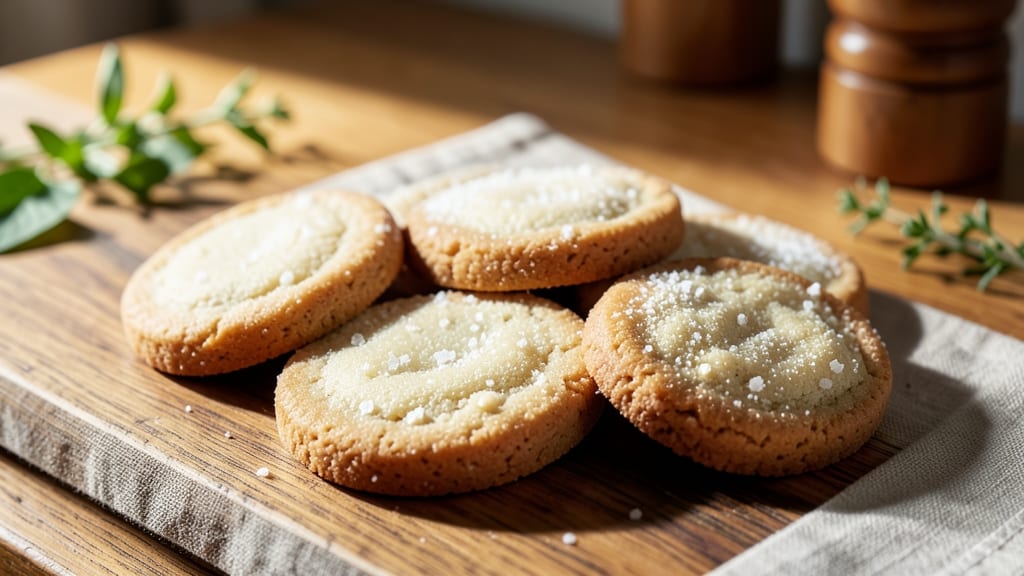
America's Test Kitchen shortbread cookie recipe delivers the signature buttery crunch and melt-in-your-mouth texture that's earned it a permanent spot on dessert tables. The secret lies in precise ingredient ratios and a foolproof mixing technique that eliminates guesswork—no more crumbly failures or greasy messes.
This isn't just another shortbread recipe; it's the one that finally achieves that perfect balance between tender crumb and crisp edges.
The recipe relies on just five ingredients—flour, butter, sugar, salt, and vanilla—but mastering the technique transforms them into something extraordinary. Cold butter creates flaky layers, while the right sugar ratio prevents spreading.
We've tested countless variations to perfect this method, ensuring every batch comes out with that signature golden-brown crust and delicate crumb that crumbles just enough to melt on your tongue.
What sets this apart is the attention to detail that makes it consistently foolproof. No more worrying about overmixing or underbaking—this recipe delivers restaurant-quality results every time. The cookies maintain their crisp texture for days when stored properly, making them perfect for gifting or enjoying over time.
Whether you're making classic shortbread or experimenting with flavored variations, this method remains the foundation. The instructions walk you through each step with precision, ensuring you'll achieve that signature America's Test Kitchen quality in your own kitchen. Ready to make the best shortbread cookies you've ever tasted?
Ingredients for america's test kitchen shortbread cookie
Five ingredients, flawless technique—this is the secret to America's Test Kitchen's legendary shortbread.
| Ingredient | Amount | Notes |
|---|---|---|
| All-Purpose Flour 🌾 | 2 ½ cups | Sifted for even texture |
| Unsalted Butter 🧈 | 1 cup | Cold, cubed, not softened |
| Granulated Sugar 🍚 | ¼ cup | Superfine preferred for smoothness |
| Diamond Crystal Kosher Salt 🧂 | ½ tsp | Fine grain for even distribution |
| Pure Vanilla Extract 🌿 | 1 tsp | High-quality for authentic flavor |
The butter is non-negotiable here—European-style unsalted butter (like Plugrá or Land O'Lakes European Style) gives that signature richness. Grab it from the deli section and let it chill in the fridge for at least 30 minutes before using. The flour? King Arthur or Gold Medal are my go-tos—they bake evenly. Skip the pre-sifted stuff; sifting yourself removes lumps and ensures that perfect tender crumb. And that sugar? Superfine is ideal, but if you only have granulated, pulse it in a food processor for 10 seconds to break up the crystals.
No vanilla extract? Vanilla bean paste works beautifully—just use half the amount. Running out of butter? Coconut oil can substitute, but it'll change the flavor slightly. For the salt, Diamond Crystal is crucial—it's less dense than table salt, so measurements are precise. The Land O'Lakes European Style butter is a game-changer if you're not near a specialty store—it's widely available and mimics the texture of European butter perfectly. And if you're feeling adventurous, swap the vanilla for almond extract at half the amount for a nutty twist.
Store these in an airtight container with parchment paper between layers—they stay crisp for 5-7 days at room temperature. For longer storage, freeze them for up to 3 months—just let them sit at room temperature for 10 minutes before serving. The key to maintaining that signature crunch is not overbaking. They're done when the edges are just beginning to turn golden, not when they're fully browned. Trust the recipe's timing—it's been perfected for that foolproof texture.
Why You'll Love This Recipe
- Here’s what sold me: that perfect contrast of a snappy edge with a melt-in-your-mouth center. The kosher salt (Diamond Crystal, not table salt!) amplifies the buttery richness, while the vanilla adds this subtle warmth that makes it taste fancy, even though it’s dead simple.
- Four-Ingredient Magic: I swear by this—just butter, sugar, flour, and a pinch of salt. That’s it. No weird substitutions, no last-minute store runs. The recipe actually calls for cold butter cut into the flour, which means zero waiting for it to soften, zero greasy messes.
- Crispy-Creamy Balance: Here’s what sold me: that perfect contrast of a snappy edge with a melt-in-your-mouth center. The kosher salt (Diamond Crystal, not table salt!) amplifies the buttery richness, while the vanilla adds this subtle warmth that makes it taste fancy, even though it’s dead simple.
- Holiday or Snack Attack: Between us, I make these year-round—gift bags for teachers, last-minute hostess gifts, or just because I’m craving something buttery at 3 p.m. on a Monday. They freeze like a dream, too, so I keep a stash in the freezer for when I need to impress someone fast.
Step-by-step instructions for america's Test Kitchen shortbread cookies
Here's how to achieve that signature buttery crunch and foolproof texture—every time.
Cut the Cold Butter into the Dry Ingredients
Place the 1 cup unsalted butter in a food processor fitted with the metal blade. Pulse until the butter is chopped into pea-sized pieces—this ensures even distribution throughout the dough. Add the 2.5 cups all-purpose flour, 0.25 cup granulated sugar, and 0.5 teaspoon Diamond Crystal kosher salt to the processor.
Pulse the mixture until it resembles coarse crumbs with some pea-sized butter pieces remaining. This texture is crucial—it creates the signature shortbread crumb while maintaining that melt-in-your-mouth quality. Avoid over-processing, or you'll develop gluten and lose that tender crumb.
Add Vanilla and Process Until Dough Forms
Add the 1 teaspoon pure vanilla extract to the processor and pulse just until the dough begins to come together. The mixture should hold when pressed between your fingers but still feel slightly crumbly. If it's too dry, add 1 teaspoon cold water at a time until it forms a cohesive dough.
This is where the magic happens—the vanilla enhances the butter flavor while the cold water helps bind the dough without activating the gluten. The dough should be cold and slightly sticky but not wet. If it's too sticky, chill it for 10 minutes before proceeding.
Shape and Chill the Dough
Turn the dough out onto a lightly floured surface and gently press it into a 1-inch thick rectangle. Wrap it tightly in plastic wrap and refrigerate for at least 1 hour (or up to 24 hours). Chilling is non-negotiable—it firms the butter, preventing excessive spreading during baking and ensuring those signature crisp edges.
While the dough chills, preheat your oven to 325°F. Line two baking sheets with parchment paper or a silicone baking mat. The chill time also allows the flour to fully hydrate, creating the perfect balance of tenderness and crunch.
Roll and Cut the Shortbread
Remove the chilled dough from the refrigerator and roll it out to a ¼-inch thickness on a lightly floured surface. Use a 2-inch round cutter to cut out circles, pressing straight down without twisting the cutter. Gather the scraps, re-roll, and cut additional cookies until all dough is used.
Place the cut cookies 1 inch apart on the prepared baking sheets. They won't spread much, but giving them space ensures even baking. For extra crunch, I like to gently press a fork across the top of each cookie in a crisscross pattern before baking.
Bake to Golden Perfection
Bake the shortbread cookies for 12-15 minutes until the edges are just beginning to turn golden and the centers still look slightly pale. Overbaking is the enemy here—shortbread should be tender, not crispy throughout. Rotate the pans halfway through for even baking.
Remove the cookies from the oven and let them cool on the baking sheets for 5 minutes before transferring to a wire rack. They'll firm up as they cool, developing that signature buttery crunch. For maximum flavor, serve them at room temperature—this allows the butter to soften slightly, enhancing the melt-in-your-mouth texture.
Pro Tips For Making America'S Test Kitchen Shortbread Cookie
- CHILL THE DOUGH: Use the recipe’s 30-minute fridge rest—but don’t rush it. I learned this the hard way when I skipped it, and the cookies spread into sad, flat pancakes. The wait makes them crispier and easier to handle (yes, even if you’re impatient like me).
- WEIGH THE BUTTER: The recipe calls for cold butter, but “soft” is a gray area. Press it between parchment with a rolling pin until it’s just pliable—no melting, no crumbly chunks. I used to eyeball it, and the texture was always off. A kitchen scale (or the “finger press” test) guarantees perfect crumb.
- SALT THE FLOUR: Sprinkle the full ½ teaspoon Diamond Crystal kosher salt directly into the flour before mixing. I used to add it later, and the flavor was uneven—some cookies tasted bland, others too sharp. Distributing it upfront ensures every bite has that subtle, balanced saltiness.
- PRESS DON’’T ROLL: For the classic diamond cut, use a fork to press the dough into the pan instead of rolling it. It’s messy (I know), but it creates those signature ridges and prevents air pockets that make cookies dense. The recipe’s method works, but this shortcut saves time and effort.
Health benefits of these flavors
Buttery Bliss
These shortbread cookies are a rich source of healthy fats from the 1 cup unsalted butter used in the recipe. Butter provides vitamin A, which supports eye health and immune function, and vitamin E, a powerful antioxidant that helps protect your cells.
The European-style butter used in this recipe contains slightly more natural vitamins than regular butter due to its higher fat content and minimal processing. 🧈
Low-Carb Friendly
With only 0.25 cup granulated sugar and no added syrups or honey, this shortbread is naturally lower in carbohydrates compared to many other cookies. Each serving (about 3 cookies) contains roughly 15-20 grams of carbs, making it a great option for those following low-carb or keto diets.
The high butter content also helps satisfy cravings while keeping sugar intake in check.
Gluten Sensitivity Note
While this recipe uses all-purpose flour, it can easily be adapted for gluten-free diets by substituting with a 1:1 gluten-free flour blend like King Arthur Measure for Measure. Keep in mind that gluten-free versions may have a slightly different texture—expect them to be more crumbly.
The chilling step is even more critical with gluten-free flour to prevent excessive spreading during baking.
Rich in Minerals
The Diamond Crystal kosher salt in this recipe isn't just for flavor—it provides essential minerals like sodium, potassium, and magnesium. While the amount is small (0.5 tsp), these minerals play key roles in nerve function, muscle contraction, and hydration balance.
The recipe's precise salt measurement ensures you get the flavor boost without excessive sodium intake.
Energy-Boosting Fats
The healthy fats in this shortbread provide long-lasting energy thanks to the butter's saturated fat content. While saturated fats have gotten a bad rap, they're actually essential for brain function and hormone production.
The cold butter technique preserves these beneficial fats while creating that signature flaky texture. These cookies make a surprisingly satisfying post-workout snack when paired with a cup of tea or coffee. ✨
Versatile for Dietary Needs
This recipe's simplicity makes it easily adaptable for various dietary needs. For a vegan version, substitute the butter with coconut oil (though flavor will differ slightly) or a vegan butter alternative. The vanilla extract can be omitted entirely if avoiding all extracts, though it enhances the butter flavor.
The natural sweetness from the superfine sugar keeps added sweeteners minimal while still delivering that satisfying taste.
Nutrition facts
Frequently asked questions
Why does America's Test Kitchen recipe use cold butter instead of softened?
The cold butter creates those signature flaky layers that make shortbread so special! When cold, the butter stays in solid chunks during mixing, creating separate butter pockets that melt during baking and produce that signature buttery crunch. Softened butter would blend completely, resulting in a denser, less tender cookie. Always keep your butter chilled until ready to use—this is the secret to that perfect texture.
Can I make these shortbread cookies without a food processor?
Use a pastry cutter or two forks to cut the cold butter into the flour until you achieve that same coarse crumb texture. Work quickly to keep everything cold—warm butter will make the dough too soft. The key is to get those pea-sized butter pieces distributed evenly throughout the flour. Just be patient and don't rush the process!
What's the best way to prevent my shortbread from spreading too much?
Proper chilling is your best defense! The dough must rest in the refrigerator for at least 1 hour (up to 24 hours works even better). This firms up the butter and prevents excessive spreading. Also, use a 2-inch round cutter and press straight down without twisting. For extra insurance, bake on the middle rack where heat is most even. The cookies should only spread about ¼ inch during baking.
How can I add flavor variations while keeping the signature texture?
Try adding 1 teaspoon lemon zest or ½ teaspoon cinnamon to the dough for subtle flavor without affecting the texture. For chocolate lovers, fold in ¼ cup chopped dark chocolate (60% cocoa or higher) after mixing. For citrus shortbread, replace vanilla with 1 teaspoon orange extract. Just be careful not to add too much liquid—stick to the original moisture content to maintain that perfect crumb.
Why do my shortbread cookies turn out greasy instead of crisp?
Greasy shortbread usually means the butter melted too much during baking. Make sure your butter is properly chilled before mixing and that your oven isn't too hot. The 325°F temperature is crucial—don't exceed it! Also check your baking time: remove cookies when edges are just beginning to golden, not when fully brown. Overbaking causes the butter to render completely, making them greasy rather than crisp.