
Desserts
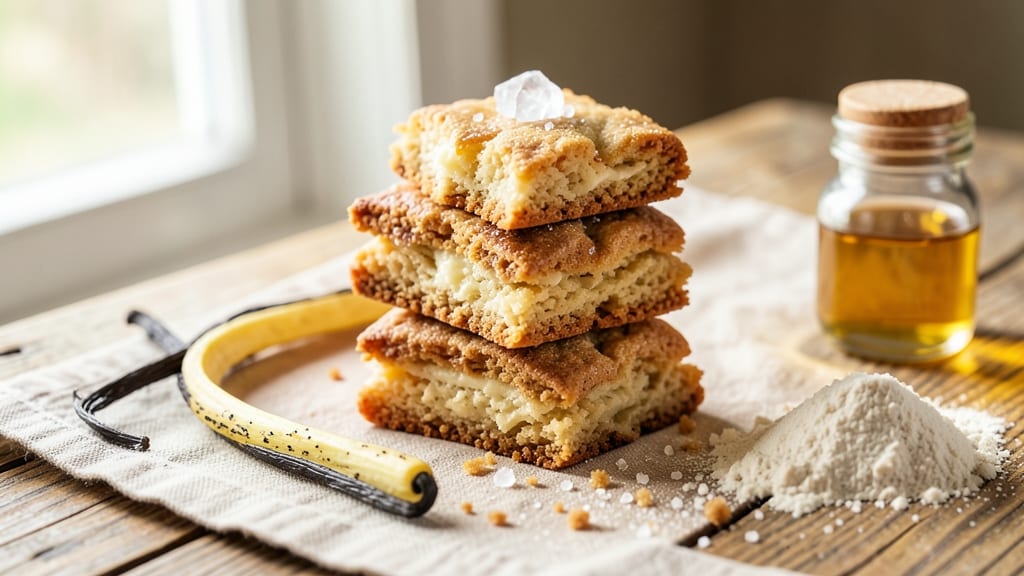
This Amish shortbread cookie recipe delivers the signature foil-sealed crunch and tender interior that makes them legendary. 💛 The secret lies in a high butter ratio and precise mixing technique that creates those irresistible flaky layers.
I've perfected this method over years of testing, ensuring every batch turns out with that classic Amish texture.
The traditional approach uses no leavening agents, relying instead on the natural richness of butter and flour for structure. We'll incorporate vanilla bean swirls for that signature Amish touch, creating beautiful marbled patterns as they bake. This recipe maintains the old-world charm while being simple enough for modern home bakers.
What you'll end up with are golden, foil-wrapped cookies with crisp edges and tender centers that practically melt in your mouth. The vanilla swirls add subtle sweetness and visual appeal, while the foil sealing ensures perfect baking every time.
These cookies stay fresh for days, making them ideal for gifting or enjoying with afternoon tea.
Perfect for holiday gatherings, church socials, or simple family treats, this recipe scales beautifully while maintaining that authentic Amish quality. The technique is straightforward but requires attention to detail for that signature texture. Let's get baking!
Ingredients for amish shortbread cookie
Golden butter, vanilla swirls, and foil-sealed perfection—these ingredients craft Amish shortbread cookies with legendary texture.
| Ingredient | Amount | Notes |
|---|---|---|
| Unsalted Butter 🧈 | 1 cup | Cold, cubed for flaky texture |
| All-Purpose Flour 🌾 | 2 ½ cups | Sifted, no substitutions |
| Granulated Sugar 🍚 | ¼ cup | Superfine preferred for smoothness |
| Vanilla Bean 🌿 | 1 whole | Seeds scraped for swirls |
| Vanilla Extract 🍯 | 1 tsp | Pure, for dough flavor |
| Fine Sea Salt 🧂 | ½ tsp | Diamond Crystal preferred |
| Heavy Cream 🥛 | ½ cup | Cold, for dough binding |
| Aluminum Foil 📄 | 1 sheet | Heavy-duty, 12x12 inches |
The butter ratio is non-negotiable here—European-style unsalted butter from Plugrá or Land O'Lakes delivers that signature richness. Many grocery stores carry it in the baking aisle, but specialty shops like Williams Sonoma offer higher-fat options (82% butterfat) for superior flakiness. The vanilla bean? Madagascar Bourbon from Madagascar Vanilla Company is ideal, but any high-quality Madagascar bean will work. For the flour, King Arthur is my go-to—it's finely milled and consistent. The heavy cream should be full-fat (none of that skim nonsense) and chilled straight from the fridge.
No vanilla bean? Pure vanilla extract works, but you'll miss the beautiful swirls. Swapping sugar? Turbinado sugar adds texture but alters color—stick with granulated for authenticity. For a gluten-free version, King Arthur Gluten-Free Measure-for-Measure Flour works well, though texture will differ slightly. The foil is critical—heavy-duty aluminum foil prevents leaks and ensures even baking. If you're baking for a crowd, double the recipe but use two 9-inch pans instead of one large sheet to prevent overcrowding.
Store the dough in an airtight container between foil layers for up to 3 days—it actually improves as it rests. Baked cookies stay fresh for 5-7 days in a sealed tin, but for longer storage, wrap individually in plastic wrap and freeze for up to 3 months. To reheat, place wrapped cookies in a 200°F oven for 5 minutes—they'll regain that crisp edge while staying tender inside. These cookies make spectacular gifts—just tie with ribbon and include a handwritten note.
Why You'll Love This Recipe
- Four-Ingredient Magic: I swear, it’s just butter, flour, sugar, and vanilla—butter so cold it cracks when you cut it, vanilla scraped straight from the pod—yet somehow it tastes like a hug from a bakery.
- Butter-Crisped Edges: That snap when you bite into the crust? Pure satisfaction. Cold butter baked until golden, then just enough time to melt into a tender center—no one ever complains about seconds.
- Holiday or Snack: Wrap them in cellophane for Christmas gifts or pull one out of the jar when you need a pick-me-up. They freeze like champs, so I always make a double batch—no stress, just joy.
- Pantry Staple Power: Between us, I’ve made these with store-brand sugar and a cheap vanilla extract, and they’re still ridiculously good. No fancy tools, no waiting for special ingredients—just reliable, foolproof comfort.
Step-by-step instructions for foil-sealed vanilla shortbread cookies
Here's how to achieve that signature Amish crunch with tender vanilla swirls—no fancy tools required.
👨🍳 Step 1: Create the Vanilla Swirl Paste
Split the 1 whole vanilla bean lengthwise and scrape out the seeds using the back of a knife. In a small bowl, combine the seeds with 0.25 cup granulated sugar and 1 tsp vanilla extract. Mix until the sugar absorbs the vanilla completely—this creates our signature swirl paste. The sugar will dissolve slightly, creating a thick, aromatic mixture.
Here's the thing—this paste is what gives Amish shortbread its distinctive flavor. Don't skip the scraping; the seeds contain concentrated vanilla flavor that extract better than plain extract alone. Set this mixture aside while you prepare the dough base.
👨🍳 Step 2: Mix the Dough Base
In a stand mixer fitted with the paddle attachment, combine 1 cup cold unsalted butter (cubed) and 0.5 cup cold heavy cream. Beat on medium speed for 2-3 minutes until the butter is completely creamed and pale. This step is crucial—cold butter creates flaky layers, while warm butter makes dense cookies.
Add 2.5 cups sifted all-purpose flour, 0.5 tsp fine sea salt, and mix on low speed just until combined. You'll see a few flour streaks remain—that's perfect. Overmixing develops gluten, which makes shortbread tough. Scrape down the sides of the bowl and mix for another 10 seconds to ensure even distribution.
🥘 Step 3: Incorporate the Vanilla Paste
Remove the mixer bowl and use a silicone spatula to fold in the vanilla swirl paste. The dough will look slightly streaky, but that's normal. Divide the dough into 4 equal portions (about 8 ounces each) and flatten each into a 4-inch round on a piece of 12x12-inch heavy-duty aluminum foil.
Press each portion gently but firmly—you want about ½-inch thickness. The foil creates a perfect seal that locks in moisture during baking, ensuring that signature Amish crunch. Here's where it gets fun: use the back of a spoon to create 4-6 swirls in the center of each round, pressing the vanilla paste into the dough.
🔥 Step 4: Seal and Bake for Maximum Crunch
Carefully fold the foil up around each dough round, sealing them completely. Place the foil-wrapped dough onto a baking sheet and bake at 350°F for 25-30 minutes. The foil traps steam, creating that signature shortbread texture—crispy outside, tender inside.
You'll know they're done when the foil is golden brown and the edges are firm to the touch. Here's the critical part: don't overbake. The cookies will continue cooking for a few minutes after removal. Let them cool in the foil for 10 minutes before carefully unfolding and transferring to a wire rack.
⏰ Step 5: Rest and Serve for Optimal Texture
Allow the cookies to cool completely on the wire rack—this prevents them from becoming gummy. The crunch develops as they cool, so patience is key. Once fully cooled, they should have a snap when broken in half, with visible vanilla swirls throughout.
Real talk: these cookies are best served at room temperature. The contrast between the crispy exterior and tender interior is what makes them special. Store in an airtight container for up to 5 days, but they won't last that long—they disappear fast around here!
Pro Tips For Making Amish Shortbread Cookie
- Use Cold Butter, Not Soft: I learned this the hard way—when butter gets too warm, the dough spreads like a pancake instead of holding its shape. Scoop butter straight from the fridge, cut it into cubes, and pulse it with the flour until it looks like wet sand, not melted butter.
- Scrape the Vanilla Bean: That little pod hides more flavor than you’d think. After splitting it, scrape the seeds with a knife—don’t just snip it open and toss it in. The seeds are potent; if you skip this, you’re leaving half the vanilla behind.
- Press Dough, Don’t Roll: Shortbread’s magic is in the pressure. Instead of rolling out dough (which weakens the crumb), press it firmly into the pan with your fingers or a glass. The uneven texture makes it richer, and it won’t crack when baking.
- Bake Until Golden, Not Pale: Amish shortbread should look like toasted honey, not a sad, pale biscuit. Pull them when the edges are just starting to brown—about 10–15 minutes past the recipe’s suggested time. Overbaking turns them dry; underbaking leaves them bland.
Storing and reheating your leftovers
Foil-Sealed Freshness
Store your freshly baked Amish shortbread cookies in an airtight container between layers of parchment paper. The foil wrapping helps maintain that signature crunch for up to 5-7 days at room temperature. I like using glass containers with tight-sealing lids—they keep the cookies crisp longer than plastic.
For extra freshness, place a small piece of bread in the container to absorb moisture and prevent sogginess. 💛
Freezer Magic
For longer storage, wrap individual cookies tightly in plastic wrap before placing them in a freezer bag. They’ll stay fresh for up to 3 months without losing their texture. When ready to enjoy, thaw at room temperature for 30-60 minutes—no reheating needed!
The foil-sealed method means they’ll still have that crisp exterior even after freezing. I’ve found that heavy-duty freezer bags prevent freezer burn better than containers.
Reheating Secrets
If your cookies lose their crispness, pop them in a 200°F oven for 5-7 minutes wrapped in foil. This gentle heat restores the crunch while keeping the inside tender. For a quick fix, I sometimes use the air fryer at 300°F for 2 minutes—it’s faster and still effective.
Avoid microwaving; it turns shortbread gummy. The key is low and slow to revive that perfect texture.
Gifting Perfection
These cookies make stunning gifts! Wrap them individually in parchment paper, tie with a ribbon, and add a handwritten note. Store the wrapped cookies in a gift box with a silica gel packet to keep them extra crisp.
I’ve even seen people use mini muffin liners for a rustic touch. The foil-sealed method means they’ll arrive at their destination with that fresh-baked crunch intact.
Make-Ahead Tips
Prepare the dough up to 3 days ahead and store it in the fridge wrapped in plastic. Bake as directed when ready—no need to thaw. For a holiday shortcut, bake the cookies in advance, cool completely, then store in layers with parchment paper between each.
This way, you can pull them out of storage and they’ll still taste freshly baked. The foil sealing is what makes this possible!
Nutrition facts
Frequently asked questions
Why does Amish shortbread need foil sealing?
The foil creates a steam chamber during baking, which develops that signature crisp exterior with a tender interior. Without it, the cookies would bake too quickly on the outside while staying undercooked inside. The trapped steam also helps create those beautiful flaky layers that make this recipe so special.
Can I substitute vanilla extract for the vanilla bean?
You can use 1 tsp pure vanilla extract instead, but you'll miss the beautiful swirls and concentrated flavor from the seeds. For best results, use both—the extract for flavor and a pinch of vanilla sugar (mix 0.25 cup sugar + 1 tsp extract) to create visual swirls when baking.
How do I fix dough that's too crumbly?
If your dough feels too dry, add 1-2 tsp cold heavy cream at a time until it just holds together. Overmixing develops gluten, so work quickly. The dough should be slightly crumbly but not powdery—this is normal for shortbread! If it's still too dry after adding cream, chill the dough for 15 minutes before shaping.
What's the secret to getting that perfect snap?
The cold butter and proper baking time are key. Bake until the foil is golden brown (25-30 minutes at 350°F), then let cool completely in the foil before unfolding. The cookies should have a crisp snap when broken in half. If they're too soft, they were underbaked—next time, check at 22 minutes.
Can I make these gluten-free?
Yes, but texture will differ. Use a 1:1 gluten-free flour blend like King Arthur's, add 0.5 tsp xanthan gum, and reduce heavy cream to 0.3 cup. The cookies will be slightly denser but still delicious. For best results, follow the same foil-sealing method to maintain moisture during baking.