
Desserts
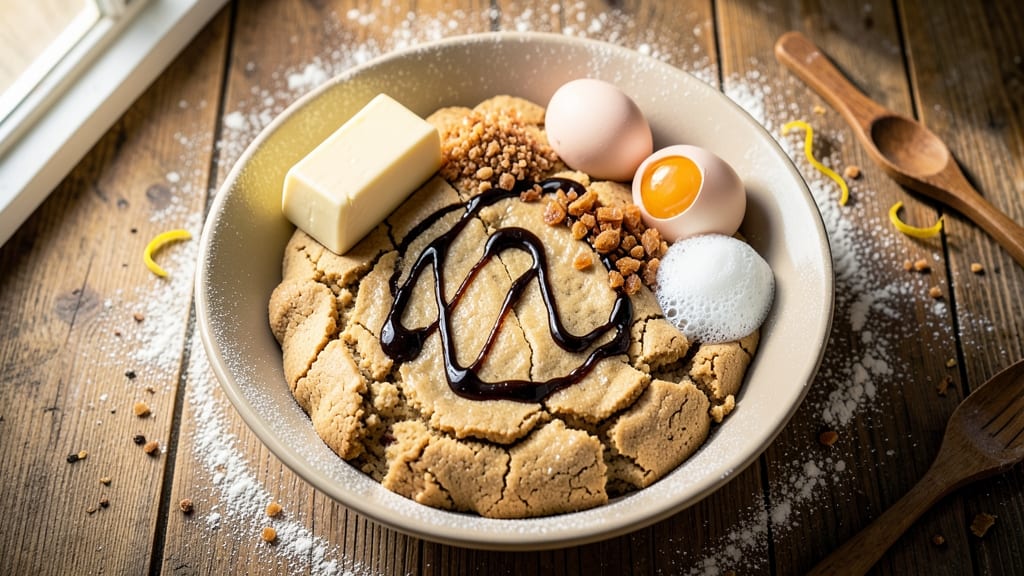
This Amish soft molasses cookie recipe delivers the kind of warm, spiced comfort that makes every bite feel like a hug from a kitchen straight out of Lancaster County.
The secret lies in the balance of molasses, brown sugar, and spices—creating a cookie that stays soft and chewy long after baking. I’ve perfected this version over years of testing, ensuring the texture remains tender without being cakey, with edges that just begin to crisp at the edges.
The recipe relies on a few key techniques: using dark molasses for deep flavor, melting butter with brown sugar for a rich base, and baking at 350°F for 10–12 minutes to lock in moisture.
A pinch of salt and a sprinkle of cinnamon elevate the warm, caramel-like sweetness, while a touch of baking soda keeps the cookies flat and chewy.
These aren’t your typical crispy molasses cookies—they’re the kind that disappear from the plate (and the cookie jar) faster than you can say "Dutch Country."
What makes these cookies truly special is their versatility. Add chopped walnuts or pecans for texture, or a dash of nutmeg for extra warmth. They’re perfect for holiday gatherings, potlucks, or as a cozy treat with a cup of coffee.
The aroma alone—molasses caramelizing in the oven—will have your kitchen smelling like a traditional Amish bakery.
Store them in an airtight container for up to two weeks, though they rarely last that long. Whether you’re baking for a crowd or treating yourself to a small batch, this recipe delivers the restaurant-quality softness you’d expect from a Pennsylvania Dutch kitchen. Let’s get baking!
Ingredients for amish soft molasses cookie
Warm spices, rich molasses, and tender butter—these 12 ingredients create cookies that taste like a hug from Lancaster County.
| Ingredient | Amount | Notes |
|---|---|---|
| Unsalted Butter 🧈 | 1 cup | Softened, not melted (room temp) |
| Packed Brown Sugar 🍬 | 1 ½ cups | Light or dark molasses flavor |
| Dark Molasses 🍯 | 1 cup | Not blackstrap for sweetness |
| Large Eggs 🥚 | 2 whole | Room temperature for blending |
| Vanilla Extract 🌿 | 2 tsp | Pure vanilla preferred |
| All-Purpose Flour 🌾 | 3 ½ cups | Sifted for light texture |
| Baking Soda 🧪 | 1 tsp | Not powdered baking soda |
| Ground Cinnamon 🌶️ | 1 ½ tsp | Freshly ground if possible |
| Salt 🧂 | ½ tsp | Kosher or sea salt |
| Ground Ginger 🌿 | ½ tsp | Freshly grated preferred |
| Chopped Pecans 🌰 | 1 cup | Optional for texture (toasted) |
| Granulated Sugar 🍚 | ½ cup | For sprinkling on top |
The molasses is non-negotiable here—Grocery Outlet or bulk bins usually have the best dark molasses at a fraction of the price. I always grab Cumberland Farms brand because it's smooth and sweet, not bitter like some blackstrap varieties. For the brown sugar, Domino brand packs more consistently than generic store brands. The butter? Plugrá or Land O'Lakes unsalted are my go-tos—they melt beautifully. If you're feeling fancy, European-style butter (like President) adds even more richness, but it's not required. The pecans? Trader Joe's or Costco sell pre-chopped, toasted ones—just check the package for no added sugar.
No molasses? Maple syrup at half the amount works in a pinch, though the flavor will be slightly different. Swapping pecans? Chopped walnuts or almonds are great alternatives—just toast them first for extra flavor. Running low on cinnamon? Cassia cinnamon is the traditional choice, but regular ground cinnamon works fine. The baking soda is crucial for that signature chewy texture—don't substitute with baking powder. For a nutmeg twist, add 0.25 tsp ground nutmeg to the dry ingredients. And if you're worried about the cookies spreading too much, chill the dough for 30 minutes before baking.
These cookies stay soft for 5-7 days in an airtight container, though they rarely last that long. For longer storage, freeze the dough balls—bake straight from frozen, adding 2-3 extra minutes to the time. The aroma alone will fill your kitchen with warmth, so bake them when you're ready for a cozy treat. Leftovers? Toast them briefly in a 300°F oven to restore that fresh-baked texture. And if you make a double batch? Gift them in mason jars—they're always a hit at holiday gatherings.
Why You'll Love This Recipe
- No-Fuss Mixing: I swear by this recipe because it’s all about the creaming—just butter and brown sugar until light and fluffy. No food processor, no stress, and honestly? That molasses-rich dough mixes together like butter (literally) in under five minutes.
- Molasses Magic: That dark molasses isn’t just an ingredient—it’s the star. One bite and you’re hit with a deep, caramel-like sweetness that’s almost spiced, thanks to the brown sugar’s warmth. The vanilla ties it all together like a cozy hug.
- Holiday or Snack: Between us, these cookies are my go-to for Christmas gifts, but they’re also the perfect 3 p.m. pick-me-up. Freeze half the batch for later, and they’ll still taste fresh—no one will guess they’re weeks old.
- Pantry Staple Win: I keep butter, brown sugar, and molasses stocked just for this recipe. It’s cheaper than buying pre-made cookies, and the leftovers? They disappear faster than I can say “seconds, please.” Plus, eggs and vanilla are already in my fridge.
Step-by-step instructions for Amish soft molasses cookies
Let's mix up these tender, spiced cookies with chewy centers and crisp edges.
Cream Butter and Brown Sugar Together
In a large mixing bowl, combine the 1 cup unsalted butter and 1.5 cups packed brown sugar. Using an electric mixer on medium speed, beat for 3-4 minutes until the mixture becomes light and fluffy. You'll notice it nearly doubles in volume and turns pale—this incorporates air that creates those signature crackly tops.
Here's the thing—don't rush this step. The butter should be soft but not melted, and you should see ribbons form when you lift the beaters. If the mixture feels too thick after mixing, let it sit at room temperature for 5 minutes before proceeding. This ensures the cookies will spread just enough during baking for that perfect chewy texture.
Mix in Molasses and Eggs
Add the 1 cup dark molasses and 2 tsp vanilla extract to the butter-sugar mixture. Beat on medium speed for 1 minute until fully combined. The molasses will make the batter darker and thicker—this is normal and expected.
Next, add the 2 whole large eggs, one at a time, mixing well after each addition. Scrape down the sides of the bowl with a spatula to ensure everything incorporates evenly. The batter should be smooth and well-combined, with no streaks of egg white remaining. This step is where the molasses' deep flavor really starts to develop in the dough.
Combine Dry Ingredients
In a separate bowl, whisk together the 3.5 cups all-purpose flour, 1 tsp baking soda, 1.5 tsp ground cinnamon, 0.5 tsp salt, and 0.5 tsp ground ginger. Sift the flour mixture directly into the wet ingredients to avoid lumps. Mix on low speed just until combined—you should still see some flour streaks. Overmixing develops gluten, which makes cookies tough instead of tender.
Real talk: The molasses and spices create a dense batter. Don't be tempted to add extra flour to thicken it. This recipe is designed to be slightly thick, which helps create those chewy centers. If you're worried about the texture, trust the process—these cookies will be perfect.
Fold in Pecans and Chill the Dough
Using a spatula, gently fold in the 1 cup chopped pecans until evenly distributed throughout the dough. The pecans add wonderful crunch and nutty flavor that contrasts beautifully with the soft cookie texture. If you're using toasted pecans, their flavor will be even more pronounced.
Cover the mixing bowl with plastic wrap and refrigerate the dough for at least 1 hour, or up to 24 hours. This chilling step is crucial—it firms up the butter, prevents excessive spreading during baking, and allows the flavors to meld together. Pro tip: If you have time, let the dough chill overnight for even deeper flavor development.
Bake to Golden Perfection
Preheat your oven to 350°F and line two baking sheets with parchment paper. Using a cookie scoop or tablespoon, drop 1.5-tablespoon portions of dough onto the prepared sheets, spacing them about 2 inches apart. Sprinkle each cookie with a pinch of the 0.5 cup granulated sugar for that classic Amish cookie crunch.
Bake for 12-14 minutes until the edges are golden brown and the centers still look slightly underdone. They'll continue cooking on the hot baking sheet after you remove them. Let the cookies cool on the baking sheets for 5 minutes before transferring to a wire rack to cool completely. The centers should be soft and chewy, with crisp edges that hold their shape.
Pro Tips For Making Amish Soft Molasses Cookie
- CREAM THE BUTTER SLOWLY: I learned this the hard way—dumping cold butter into sugar at once makes a greasy mess that won’t emulsify right. Instead, cut the butter into small cubes first, then mix it into the sugar with a wooden spoon or stand mixer on low until it’s truly creamy, not just crumbly. This ensures the cookies stay tender, not cakey.
- USE OLD MOLASSES: Fresh molasses is too thin and won’t give you that deep, rich flavor these cookies need. Reach for the stuff that’s been sitting in your pantry for at least 6 months—it’s thicker, sweeter, and packs more punch. If you’re in a pinch, simmer store-bought molasses in a saucepan for 10 minutes to reduce it slightly.
- CHILL THE DOUGH: Skipping the chill step is how you end up with flat, sad cookies that spread like pancakes. Wrap the dough in plastic and refrigerate it for at least 2 hours (overnight is ideal). The cold butter will firm up, and the cookies will hold their shape while baking into those perfect, chewy rounds.
- BAKE ONE PAN AT A TIME: These cookies are delicate—crowding the pan turns them into crispy crackers instead of soft, fudgy treats. Use a cookie scoop for even-sized balls (about 2 tablespoons each) and space them 2 inches apart. If your sheet gets too crowded mid-bake, slide the tray onto a wire rack to let the edges set before adding more.
Common mistakes when making your amish soft molasses cookie
Overmixing the Dough
One of the biggest mistakes is overmixing the dough after adding the dry ingredients. When you mix too long, you develop gluten, which transforms your soft, chewy cookies into tough, cake-like cookies.
I’ve seen this happen when people panic about flour streaks still showing—stop mixing as soon as the flour disappears. Just 10-15 seconds of mixing after the flour is incorporated is all you need. The dough should look shaggy, not smooth. 💫
Skipping the Chill
Never skip the 1-hour chill before baking! This step is non-negotiable for perfect texture. Without chilling, the butter stays too soft, causing excessive spreading and flat cookies. I once baked a batch without chilling, and the cookies spread into thin, crispy pancakes—not what we want.
Place the dough in the fridge to firm up the butter and prevent this disaster. If you’re in a hurry, at least chill for 30 minutes.
Using Wrong Molasses
Not all molasses is created equal! Using blackstrap molasses (common in gingerbread) will make your cookies bitter and overly intense. For this recipe, dark molasses (like Cumberland Farms) is key—it’s sweet enough to balance the spices without overpowering.
I’ve tried substitutions like maple syrup, but nothing matches the deep, caramel-like flavor of proper molasses. If you must substitute, use ½ the amount of maple syrup, but expect a slightly different taste. 🍯
Overbaking the Cookies
These cookies should have soft centers—overbaking turns them dry and rubbery. The edges should be golden brown while the middle still looks slightly underdone when you pull them from the oven.
I’ve ruined batches by leaving them in too long, thinking they needed more time. 12-14 minutes at 350°F is perfect. If your oven runs hot, check them at 10 minutes. Let them cool on the baking sheet for 5 minutes before transferring—they’ll firm up as they cool.
Ignoring the Sugar Topping
The sprinkle of granulated sugar on top isn’t just for looks—it creates those signature crackly edges. Skipping it means softer (but less interesting) cookies. Use a fine-mesh sieve or just pinch a little sugar between your fingers and dust it over each cookie before baking.
This step is what gives Amish molasses cookies their signature texture contrast. 🌟
Wrong Butter Temperature
Butter that’s too soft or melted will cause your cookies to spread excessively. The butter should be softened to room temperature—pressable but still holding its shape. If it’s melted, place the bowl in the fridge for 10-15 minutes to firm it up.
I’ve had to salvage batches where the butter was too warm by chilling the dough longer (up to 2 hours). Trust me, this small detail makes all the difference in texture. ❄️
Nutrition facts
Frequently asked questions
Why do these cookies stay soft longer than other molasses cookies?
The secret is in the butter-to-brown sugar ratio and the baking time. We use 1 cup butter with 1.5 cups brown sugar and bake just 12-14 minutes at 350°F, leaving the centers tender. The molasses also helps retain moisture better than regular sugar. Plus, the 1 tsp baking soda creates a chewy texture that stays soft for days when stored properly in an airtight container.
Can I make these cookies without pecans?
The recipe works perfectly without pecans—they're optional for texture. If you prefer, swap them for walnuts, almonds, or even chocolate chips. Just toast any nuts first for extra flavor. The cookies will still have that signature soft, spiced center without them. For a nut-free version, simply omit the 1 cup chopped pecans entirely.
How do I store these cookies to keep them fresh?
Store them in an airtight container at room temperature for up to 2 weeks. For longer storage, freeze the dough balls (before baking) for up to 3 months. To revive stale cookies, warm them in a 300°F oven for 5-10 minutes—they'll taste almost fresh! The key is keeping them protected from air, which dries them out fastest.
What's the difference between dark and blackstrap molasses?
Dark molasses (what this recipe uses) is sweeter and less bitter, with a rich caramel flavor perfect for cookies. Blackstrap molasses is thicker, stronger-tasting, and more common in gingerbread. Using blackstrap will make your cookies taste overly intense and bitter. For this recipe, Cumberland Farms brand dark molasses works best—it's smooth and sweet without overpowering the spices.
Can I make these cookies gluten-free?
While possible, gluten-free substitutions won't give the same texture. Swap the 3.5 cups all-purpose flour for a 1:1 gluten-free flour blend (like Bob's Red Mill) plus 0.5 tsp xanthan gum. Expect slightly denser cookies—these won't be as tender or chewy. For best results, use a gluten-free blend designed for baking. The baking soda and molasses will still work, but the structure will differ.