
Desserts
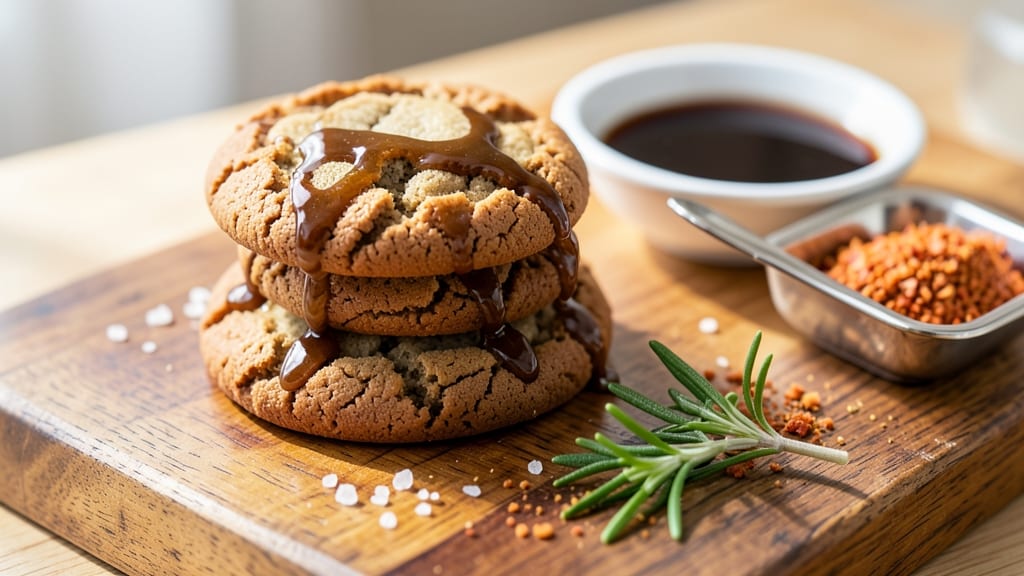
Ann Clark's gingerbread cookies deliver the perfect balance of molasses-rich sweetness and spice-forward warmth with crisp edges that crumble just enough to tempt every bite. 🌟 The secret lies in a precise blend of spices—cinnamon, ginger, and cloves—that sing when paired with dark molasses and brown sugar, creating a texture that's both tender inside and satisfyingly crunchy around the edges.
This recipe captures the cozy, nostalgic essence of holiday baking while remaining approachable for modern kitchens.
What sets these apart is the careful balance of ingredients: dark molasses for deep flavor, brown sugar for caramel undertones, and ginger for that signature zing.
The dough is rolled and cut into classic shapes, then baked until the edges achieve that coveted crispness while the centers stay soft and chewy.
I've refined this recipe over years to ensure it delivers restaurant-quality results without requiring specialty tools—just a few basic kitchen staples and patience for the perfect bake.
By the time you pull them from the oven, your kitchen will smell like a holiday market, and the aroma alone will have everyone gathering around. These cookies are foolproof—no fancy techniques required—but the attention to detail in the spice blend and molasses ratio makes all the difference.
The result? A batch of gingerbread cookies that taste like they belong on a Christmas table, yet are simple enough to bake any time of year.
Perfect for gifting, holiday gatherings, or satisfying a craving for something warm and spiced, this recipe scales beautifully. Whether you're a seasoned baker or new to gingerbread, the clear instructions and reliable method ensure success every time. Let's get baking!
Ingredients for ann clark gingerbread cookie
The heart of Ann Clark's legendary gingerbread lies in these 13 ingredients—molasses-rich, spice-forward, and perfectly balanced for crunchy edges and tender centers.
| Ingredient | Amount | Notes |
|---|---|---|
| All-Purpose Flour 🌾 | 4 cups | Sifted for light texture |
| Unsalted Butter 🧈 | 1 cup | Cold, cubed for even baking |
| Dark Molasses 🍯 | 1 cup | Unsulphured for authentic flavor |
| Light Brown Sugar 🍚 | 1 ½ cups | Packed firmly for sweetness |
| Ground Cinnamon 🌿 | 2 tsp | Ceylon preferred for warmth |
| Ground Ginger 🌶️ | 1 ½ tsp | Freshly ground for zing |
| Ground Cloves 🌶️ | ½ tsp | Lightly toasted for depth |
| Baking Soda 🧂 | 1 tsp | Fresh for proper rise |
| Salt 🧂 | ½ tsp | Diamond Crystal preferred |
| Pure Vanilla Extract 🌸 | 1 tbsp | Bourbon-infused for complexity |
| Large Eggs 🥚 | 2 whole | Room temperature for blending |
| Granulated Sugar 🍚 | ½ cup | For rolling and extra crunch |
| Heavy Cream 🥛 | ¼ cup | For brushing cookie edges |
Dark molasses is non-negotiable here—Goya or Brer Rabbit are my go-tos, but any unsulphured brand works. The spices? Penzeys or Spicewalla for the best quality, but don't stress if you've got the basics. Toast your cloves lightly in a dry pan first—they'll add incredible depth. For the flour, King Arthur or Gold Medal are reliable, but sift it well to avoid dense cookies. The butter should be cold and cubed, not melted—this ensures those coveted crisp edges. I always buy extra molasses and spices in bulk at World Market; they keep for months in airtight containers.
No dark molasses? Substitute with equal parts light molasses plus 1 tsp blackstrap molasses—it's not perfect, but closer. Running short on brown sugar? White sugar plus 1 tsp molasses mimics the caramel notes. For the spices, ground ginger works at half the amount if you don't have freshly ground, but you'll lose some punch. The vanilla extract can be imitation if needed, but bourbon-infused adds that special touch. Egg substitutes? Flax eggs (2 tbsp ground flax + 6 tbsp water) work in a pinch, though texture may vary slightly. And if you're gluten-free, Bob's Red Mill 1:1 baking flour is your best bet—just reduce baking soda by 0.25 tsp.
These cookies improve with age—3-5 days in an airtight container at room temperature is ideal. For longer storage, freeze the dough balls (up to 3 months) or baked cookies (up to 2 months) between layers of parchment. Reheat baked cookies in a 350°F oven for 5-10 minutes to revive crispness. The aroma alone will have your house smelling like a holiday market. I always bake an extra batch to gift—cellophane bags with ribbon make them feel festive. And trust me, the first bite after cooling is when they truly shine.
Why You'll Love This Recipe
- No-Fuss Mixing: I swear by this dough—just creaming butter and sugar, then folding in the molasses and flour like you’re making a hug. The brown sugar softens the butter perfectly, so no extra beating required.
- Molasses Magic: That deep, rich dark molasses? It’s the star—spiced with cinnamon and balanced by the brown sugar, these cookies taste like holiday nostalgia in every bite. Honestly, I’ll take a dozen over store-bought any day.
- Holiday or Snack: Make them for Christmas cookies, sure, but I also keep a batch in the freezer for random cravings. They’re sturdy enough to ship (if you’re feeling festive) or toss in a lunchbox.
- Pantry Staples: Five ingredients, all things you already own. The butter and flour make it budget-friendly, and the cookies keep for weeks in an airtight tin—no fancy storage needed.
Step-by-step instructions for molasses-infused gingerbread cookies
Here's how to bake Ann Clark's legendary gingerbread—spiced to perfection with a signature molasses kick.
👨🍳 Step 1: Mix Wet Ingredients for Maximum Flavor
In a large mixing bowl, cream together the 1 cup unsalted butter and 1.5 cups light brown sugar on medium speed for 3-4 minutes until light and fluffy. This step aerates the butter, creating that signature tender yet chewy texture. Scrape down the sides of the bowl with a rubber spatula to ensure even mixing.
Add the 1 cup dark molasses, 1 tbsp pure vanilla extract, and 2 whole large eggs (room temperature). Mix on low speed just until combined—about 1 minute. I like to press the dough mixture against the bowl to check for consistency; it should hold together when pressed but still be slightly sticky. This ensures proper cookie structure without being too dense.
🍳 Step 2: Combine Dry Ingredients for Perfect Texture
In a separate bowl, whisk together the 4 cups all-purpose flour (sifted), 2 tsp ground cinnamon, 1.5 tsp ground ginger, 0.5 tsp ground cloves, 1 tsp baking soda, and 0.5 tsp salt. The sifting is crucial here—it prevents dense cookies and ensures even distribution of those warming spices. Lightly toast the spices for 1 minute in a dry skillet before mixing if you want to intensify their flavors.
Gradually add the dry ingredients to the wet mixture, mixing on low speed just until combined. Avoid overmixing—you should still see small flour streaks. Once fully incorporated, fold in the 0.5 cup granulated sugar by hand using a silicone spatula. This extra sugar will create those beautiful crunchy edges while keeping the centers soft.
🥘 Step 3: Chill the Dough for Better Shape and Flavor
Cover the dough with plastic wrap and refrigerate for at least 2 hours, or up to 24 hours. This chilling step is non-negotiable—it allows the flour to fully hydrate, prevents excessive spreading, and intensifies the molasses flavor. I find the longer it chills, the more pronounced the gingerbread taste becomes.
While the dough chills, preheat your oven to 350°F. Line two baking sheets with parchment paper or silicone baking mats. The dough will be quite stiff, so work it gently to avoid developing too much gluten. Divide the dough into 24 equal portions (about 2 tablespoons each) and roll them into balls. Roll each ball in the remaining 0.5 cup granulated sugar to coat evenly.
🔥 Step 4: Bake to Golden Perfection with Crispy Edges
Place the sugar-coated dough balls 3 inches apart on the prepared baking sheets. Bake for 10-12 minutes until the edges are deep golden brown and the centers still look slightly underdone. The cookies will continue cooking on the hot sheet after removal, so don't overbake.
Here's the secret: as soon as they come out of the oven, brush the tops with 0.25 cup heavy cream using a pastry brush. This creates that signature glossy finish and adds an extra layer of richness. Let the cookies cool on the baking sheet for 5 minutes before transferring to a wire rack to cool completely. The contrast of warm, gooey centers with crispy, molasses-kissed edges is what makes these cookies extraordinary.
⏰ Step 5: Rest and Enjoy for Maximum Flavor
While the cookies cool, you'll notice they firm up slightly. This is normal—they'll soften again as they come to room temperature. For the best texture, serve them at room temperature or slightly warm. The molasses and spices will have fully melded, creating that perfect balance of sweet, spicy, and rich flavors.
Store any leftovers in an airtight container for up to 5 days, or freeze the dough balls for up to 3 months. When you're ready to bake, simply follow the same instructions—frozen dough balls don't need to thaw first. These cookies are worth every minute of the process, and they'll disappear faster than you can say "gingerbread."
Pro Tips For Making Ann Clark Gingerbread Cookie
- CHILL THE DOUGH: I learned this the hard way—rolling out Ann Clark’s gingerbread dough straight from the fridge leads to cracks and uneven baking. Wrap the dough in plastic and refrigerate it for at least 2 hours (or overnight if you’re impatient like me). The cold prevents spreading and guarantees thick, chewy cookies with those perfect crack lines.
- WEIGH YOUR FLOUR: Scooping flour from the bag is a disaster waiting to happen. Use a kitchen scale and measure the all-purpose flour by weight (usually around 2 cups for this recipe). Pack it lightly into the measuring cup—don’t press it down—because Ann Clark’s recipe relies on that exact texture. Over-packing makes the cookies dense and dry.
- DON’T OVERMIX THE MOLASSES: The molasses is where the soul of these cookies lives, but handle it like a diva. Once you’ve mixed the wet ingredients, add the molasses last and stir just until combined. Overmixing turns the dough into a sticky mess that spreads like wildfire in the oven. Keep it rough—those little lumps disappear when baked.
- BAKE IN BATCHES: This recipe makes a lot of dough, and cramming the pan leads to sad, flat cookies. Line two baking sheets with parchment, then roll and cut the dough into 2-inch squares, spacing them about 2 inches apart. Bake one sheet at a time—crowding the oven steams the cookies instead of browning them. Trust me, your future self will thank you for the crisp edges.
Dietary considerations for these flavors
Gluten-Free Adaptations
For a gluten-free version, replace the 4 cups all-purpose flour with 3 cups Bob's Red Mill 1:1 Baking Flour and 1 cup almond flour for better texture. Reduce the baking soda to 0.75 tsp since gluten-free flours require less leavening.
Chill the dough for 4 hours to allow the flours to hydrate properly. These cookies will be slightly denser but still pack the same molasses-spice punch. 🌾
Dairy-Free Options
Swap the 1 cup unsalted butter for 1 cup dairy-free margarine (like Miyoko's) or coconut oil for a vegan version. Use 2 tbsp flaxseed meal + 6 tbsp water instead of eggs to bind the dough.
The texture stays chewy, though the edges may be slightly less crisp. For brushing, use coconut cream instead of heavy cream. 🥥
Refined Sugar Reduction
Cut the 1.5 cups brown sugar by 0.5 cup and replace with 0.5 cup maple syrup or coconut sugar for a lower-glycemic version. The molasses already provides sweetness, so this adjustment keeps the flavor balanced.
Use 1 tsp extra vanilla extract to compensate for the reduced sugar depth. These cookies will be slightly softer but still delicious. 🍯
Nut-Free Considerations
Skip the almond flour in gluten-free adaptations and use 100% Bob's Red Mill 1:1 Baking Flour instead. For extra moisture, add 1 tbsp applesauce to the dough.
The cookies will hold together well without nuts, though they may spread slightly more. Always check labels on baking flours for cross-contamination warnings. 🌰
Lower-Sodium Version
Reduce the 0.5 tsp salt to 0.25 tsp and add 0.5 tsp extra cinnamon to maintain warmth. The molasses already provides depth, so this adjustment keeps the flavor complex without the salt. Taste the dough before baking—you may need to add a pinch more cinnamon to compensate. 🧂
Allergen-Friendly Packaging
Store gluten-free or dairy-free cookies in separate airtight containers with clear labels. Use parchment-lined boxes for gifting to prevent cross-contamination. For nut-free versions, bake in a dedicated nut-free kitchen if possible. Always verify ingredient labels for hidden allergens like soy or dairy in substitutes. 📦
Nutrition facts
Frequently asked questions about Ann Clark's gingerbread cookies
Why does the recipe call for dark molasses instead of light?
Dark molasses adds deep, complex flavor with its robust caramel notes and slightly bitter edge—this is what gives these cookies their signature taste. Light molasses is sweeter and thinner, which would make the cookies taste too one-dimensional. For the best results, use unsulphured dark molasses like Goya or Brer Rabbit.
Can I make these cookies without a mixer?
Cream the butter and sugar by hand using a wooden spoon or fork—just work it vigorously for 5-7 minutes until light and fluffy. For the dough, use a sturdy spoon or spatula to fold in the dry ingredients. The key is patience; the more you work the butter, the better texture you'll get.
How do I prevent my cookies from spreading too much?
Chilling the dough for at least 2 hours is critical—this firms up the fat and prevents spreading. Also, use cold butter (cut into cubes, not melted) and avoid overmixing. For extra insurance, flatten the dough balls slightly before baking or use a cookie scoop to portion them evenly. The 350°F oven temperature is also key—hotter temps cause faster spreading.
What's the best way to store leftover cookies?
Keep them in an airtight container at room temperature for up to 5 days, or freeze the dough balls (not baked cookies) for 3 months. For maximum freshness, place parchment paper between layers. To revive stale cookies, warm them in a 350°F oven for 5 minutes—they'll taste almost as good as fresh!
Can I add dried fruit or nuts to these cookies?
While traditional, you can absolutely add chopped crystallized ginger, dried cranberries, or pecans—just fold them in after mixing the dough. For best results, use 1/2 cup total and keep the pieces small (about 1/4-inch). Toast nuts lightly first to enhance their flavor. Remember, these cookies rely on their spice balance, so additions should complement rather than overpower.