
Desserts
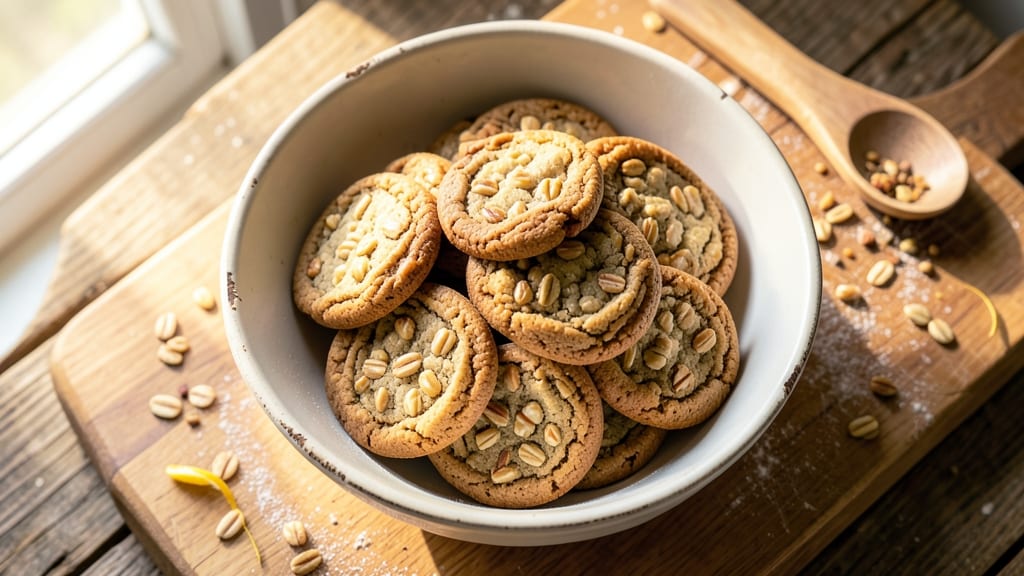
This ATK oatmeal cookie recipe delivers the perfect balance of chewy edges and soft centers—just like the iconic version from Alton Brown’s Good Eats. The secret lies in creaming butter and brown sugar until light and fluffy, then letting the dough rest for 30 minutes to develop maximum flavor.
With 24 cookies per batch, these are ideal for holiday baking or satisfying afternoon cravings.
The recipe combines old-fashioned oats for texture with molasses and cinnamon for depth, creating a cookie that’s hearty yet tender. Unlike store-bought versions, this method ensures no dry crumbs—just a melt-in-your-mouth bite with a hint of caramelized sweetness.
The dough’s resting time is critical; it prevents spreading and intensifies the oat flavor.
Baked at 350°F for 12–14 minutes, these cookies emerge with golden edges and a crackly top, while the centers stay soft and chewy. They’re best enjoyed fresh but store well in an airtight container for up to 5 days or frozen for 3 months.
For extra indulgence, fold in chocolate chips or walnuts—though purists swear by the classic version.
This recipe is foolproof for beginners yet refined enough for bakers who demand texture and flavor. Whether you’re prepping for a bake sale or craving a nostalgic treat, these cookies deliver restaurant-quality results at home. Let’s get baking!
Ingredients for atk oatmeal cookie
Old-fashioned oats, molasses, and cinnamon create these iconic ATK-style oatmeal cookies.
| Ingredient | Amount | Notes |
|---|---|---|
| Unsalted Butter 🧈 | 1 cup | Cold, cubed for creaming |
| Light Brown Sugar 🍯 | 1 ½ cups | Packed firmly, no substitutions |
| Large Eggs 🥚 | 2 whole | Room temperature for even mixing |
| Vanilla Extract 🌿 | 2 tsp | Pure, high-quality extract preferred |
| Old-Fashioned Rolled Oats 🌾 | 2 cups | Not quick oats, toasted for depth |
| All-Purpose Flour 🌾 | 1 ½ cups | Sifted for light texture |
| Ground Cinnamon 🌶️ | 1 ½ tsp | Freshly ground for warmth |
| Ground Nutmeg 🌶️ | ½ tsp | Freshly grated for brightness |
| Salt 🧂 | ½ tsp | Diamond Crystal kosher preferred |
| Molasses 🍯 | ½ cup | Unsulphured for robust flavor |
| Semisweet Chocolate Chips 🍫 | 1 cup | Enjoy Life brand for allergy safety |
The old-fashioned rolled oats are non-negotiable here—quick oats won’t deliver the same chewy texture. Bob’s Red Mill or Quaker Old Fashioned are my go-tos, but any brand labeled 'rolled' will work. Toast them lightly in a dry pan for 5 minutes before mixing to deepen their flavor. The unsalted butter should be cold when creamed with the brown sugar; this creates air pockets that prevent dense cookies. European-style butter, like Plugrá, has higher fat content and yields superior results. Measure your brown sugar firmly into the cup—pack it down so it doesn’t clump. Molasses is the soul of these cookies; Goya unsulphured molasses is widely available and delivers the best balance of sweetness and depth.
No vanilla extract? Vanilla bean paste at half the amount works beautifully, though it’ll leave tiny specks in the dough. Substituting vanilla sugar is a no-go—it lacks the complexity. For chocolate lovers, chopped walnuts or pecans can replace half the chocolate chips, though purists insist on the classic version. If you’re baking at high altitudes, reduce the flour by 2 tablespoons to prevent dryness. The dough will feel slightly sticky, but resist the urge to add more flour—this is normal and ensures chewy texture. For extra indulgence, fold in white chocolate chips or butterscotch pieces, though these alter the classic flavor profile.
Let the dough rest for the full 30 minutes—this isn’t optional. It allows the flour to hydrate and the flavors to meld, resulting in cookies with crackly tops and soft centers. Store dough in an airtight container for up to 48 hours in the fridge, though it’s best used immediately. Baked cookies keep in an airtight container for 5 days at room temperature or 3 months frozen. For freezing, portion dough into balls before baking—this ensures perfect individual cookies straight from the freezer. Reheat baked cookies in a 200°F oven for 5 minutes to restore crispness.
Why You'll Love This Recipe
- No-Fuss Mixing: I swear by this recipe because it’s just four ingredients (plus oats) tossed in a bowl—no food processor, no fancy techniques. The butter and brown sugar get creamed in seconds, the eggs and vanilla come next, then you fold in oats. That’s it. Honestly, my toddler could do it (and has, with minimal cleanup).
- Chewy-Crisp Magic: The secret’s in the oats and brown sugar—you get that perfect contrast: soft, buttery centers with edges that stay just crisp enough to hold shape. Add a splash of milk if the dough’s too dry, but trust me, the flavor is spot-on without extra fuss. It’s the kind of cookie that disappears in minutes.
- Weeknight Snack Hero: These are my go-to when I need something fast but still feels like a treat. Stash the dough in the fridge for days, then bake a batch whenever—no one will guess they’re not from a bakery. (Yes, even on a Tuesday night.)
- Budget-Friendly Staples: Brown sugar, butter, eggs, oats—these are pantry basics that won’t break the bank. A single batch makes 24 cookies, and they freeze like a dream. I’ve sent these in lunches, packed them for road trips, and still have leftovers weeks later. Reliable, simple, and always a win.
Step-by-step instructions for Atk oatmeal cookies
Master the art of chewy-edged, soft-centered oatmeal cookies with this precise method.
Cream Butter and Sugars to Perfect Lightness
In a stand mixer fitted with the paddle attachment, combine the 1 cup unsalted butter and 1.5 cups light brown sugar on medium speed. Beat for 3-4 minutes until the mixture is pale, fluffy, and nearly doubled in volume. This creaming process incorporates air, which creates those signature crackly edges and tender crumb.
Here's the thing—don't rush this step. You're looking for a ribbon-like consistency when you lift the paddle. If the butter hasn't fully incorporated after 4 minutes, add an extra 30 seconds. The sugar should dissolve completely, leaving no grainy texture. I always press the paddle against the bowl to check for proper emulsification.
Add Eggs, Molasses and Spices
Reduce the mixer speed to low and add the 2 whole large eggs, one at a time, mixing just until each is fully incorporated. Then add the 2 teaspoons vanilla extract, 0.5 cup molasses, 1.5 teaspoons ground cinnamon, 0.5 teaspoon ground nutmeg, and 0.5 teaspoon salt. Mix on low speed for 30 seconds until just combined—you should still see slight streaks of flour when you stop.
The molasses adds depth of flavor while the spices create that warm, cozy aroma. I've found that adding the spices at this stage distributes them evenly throughout the dough. Don't overmix here—you want to maintain a light texture, not develop gluten. The dough should be thick but still pourable.
Fold in Dry Ingredients and Chocolate
Remove the mixer bowl and use a silicone spatula to gently fold in the 1.5 cups all-purpose flour and 2 cups old-fashioned rolled oats. Then add the 1 cup semisweet chocolate chips and fold until just combined. The dough will be thick and sticky—this is normal. If it seems too dry, add 1-2 teaspoons milk to help bind it.
Real talk: the oats should be toasted before adding. Spread them on a baking sheet and toast in a 350°F oven for 8-10 minutes until fragrant and lightly browned. This step enhances their flavor and prevents a raw, oaty taste in the finished cookies. Don't skip this—it makes all the difference in texture and aroma.
Chill the Dough for Ideal Texture
Cover the dough with plastic wrap and refrigerate for at least 2 hours, or up to 24 hours. This chilling step is crucial—it allows the flour to fully hydrate and the butter to solidify slightly. When you're ready to bake, the dough will be firmer and easier to handle, resulting in thicker cookies with crisp edges and soft centers.
I know it seems counterintuitive to wait, but trust me. Cold dough spreads less in the oven, giving you those perfect chewy edges. Plus, the flavors meld during this time, creating a more cohesive taste in each bite. If you're short on time, you can freeze the dough for 30 minutes instead, but chilling overnight yields the best results.
Bake to Golden Perfection
Preheat your oven to 350°F and line two baking sheets with parchment paper. Using a 2-tablespoon scoop, portion the dough onto the prepared sheets, spacing the cookies 3 inches apart. They won't spread much, but giving them room ensures even baking.
Bake for 12-14 minutes until the edges are golden brown and the centers still look slightly underdone. They'll continue cooking on the hot pan after removal. The cookies should pull away from the parchment paper with slight resistance when you lift them. Let them cool on the baking sheet for 5 minutes before transferring to a wire rack to set completely.
Pro Tips For Making Atk Oatmeal Cookie
- Chill the Dough: I used to bake these straight away, and they’d spread like wildfire into flat, sad pancakes. Let the dough sit in the fridge for at least 30 minutes—this firms up the butter and keeps the cookies thick and chewy. (Yes, even if you’re impatient like me.)
- Toast Those Oats: Skip the raw oats—toss them in a dry pan over medium heat for 5-7 minutes until golden and fragrant. The toasted flavor cuts through the sweetness and adds crunch. (Your future self will notice the difference.)
- Cream Butter and Sugar: Don’t just mix them—beat the butter and brown sugar until light and fluffy, about 2-3 minutes. This incorporates air, which makes the cookies taller and softer. (I learned this the hard way after a batch of dense, brick-like cookies.)
- Use Room-Temp Eggs: Cold eggs can make the dough stiff and uneven. Let them sit out for 30 minutes before cracking them in—this ensures smooth mixing and even baking. (No, the microwave won’t work; patience is key here.)
Best sauces and condiments for these flavors
Classic Vanilla Glaze
Brush warm cookies with a simple vanilla glaze made from ½ cup powdered sugar, 1 tablespoon milk, and ½ teaspoon vanilla extract. Whisk until smooth and drizzle over cookies while still warm.
This adds a delicate sweetness that enhances the caramelized edges. For extra shine, add 1 drop of almond extract—it deepens the vanilla flavor without overpowering. 💛
Salted Caramel Drizzle
Elevate your cookies with a salted caramel drizzle made from ½ cup caramel sauce (like Trader Joe's) and ¼ teaspoon flaky sea salt. Warm the caramel slightly to loosen it, then drizzle over cooled cookies.
The salt cuts through the sweetness, creating a sophisticated balance. For a quicker version, melt 1 cup caramel candies (like Smucker's) with 2 tablespoons heavy cream and drizzle immediately. ✨
Spiced Maple Cream Cheese
Mix ½ cup cream cheese, ¼ cup maple syrup, 1 teaspoon cinnamon, and ½ teaspoon vanilla extract until smooth. Spread a thin layer on cooled cookies for a tangy-sweet contrast.
The maple syrup complements the molasses in the dough, while cream cheese adds richness. For extra flair, sprinkle with crushed pecans before the cream cheese sets. 🌟
Chocolate Ganache Dip
Melt ½ cup semisweet chocolate chips with 2 tablespoons heavy cream until glossy. Dip the bottoms of cookies halfway into the ganache, then place on parchment paper to set.
The chocolate adds a decadent touch while keeping the cookie's texture intact. For a lighter version, use white chocolate chips and add ½ teaspoon orange zest for brightness. 🍫
Lemon Cream Cheese Frosting
Beat ½ cup cream cheese, 2 tablespoons powdered sugar, 1 tablespoon lemon juice, and ½ teaspoon lemon zest until fluffy. Spread a thin layer between two cookies for a sandwich-style treat.
The citrus cuts through the richness, creating a refreshing contrast. For extra tang, add 1 teaspoon honey to the mix. 🍋
Coffee Syrup Glaze
Combine ½ cup powdered sugar, 2 tablespoons strong brewed coffee, and 1 teaspoon vanilla extract for a mocha-inspired glaze. Drizzle over cookies while warm for a subtle coffee note that pairs perfectly with the cinnamon and nutmeg.
For a bolder flavor, add ¼ teaspoon instant espresso powder to the glaze. ☕
Nutrition facts
Frequently asked questions
Why do these oatmeal cookies need to rest in the fridge?
The 30-minute (or overnight) rest is key for flavor development and texture. It lets the flour hydrate fully and the butter firm up slightly, preventing excessive spreading. This creates those signature chewy edges while keeping centers soft. Skipping it often results in flat, dense cookies.
Can I use quick oats instead of old-fashioned rolled oats?
No—quick oats will make the cookies gummy rather than chewy. Old-fashioned rolled oats provide the perfect texture and toast better for depth. For a quick swap, use quick-cooking oats toasted for 5 minutes—but they won’t be identical. The recipe is designed around the chewier, nuttier flavor of rolled oats.
How do I prevent my cookies from spreading too much?
Chill the dough for the full 30 minutes before baking—this firms up the butter. Use a 2-tablespoon scoop and space cookies 3 inches apart on the sheet. Bake at 350°F for exactly 12-14 minutes—overbaking causes spreading. If your oven runs hot, reduce temp to 340°F.
What’s the best way to store these cookies?
Keep them in an airtight container at room temp for up to 5 days to maintain chewiness. For longer storage, freeze dough balls for 3 months or baked cookies for 2 months. To revive, warm frozen cookies at 200°F for 5 minutes. Avoid refrigerating baked cookies—they’ll dry out faster.
Can I add nuts or other mix-ins?
Yes! Fold in 1 cup chopped walnuts or pecans for crunch, or swap half the chocolate chips for white chocolate or butterscotch. For extra indulgence, add ½ cup dried cranberries**. Just don’t overmix—fold gently to keep the texture tender. The classic version uses chocolate chips, but variations work beautifully.