
Desserts
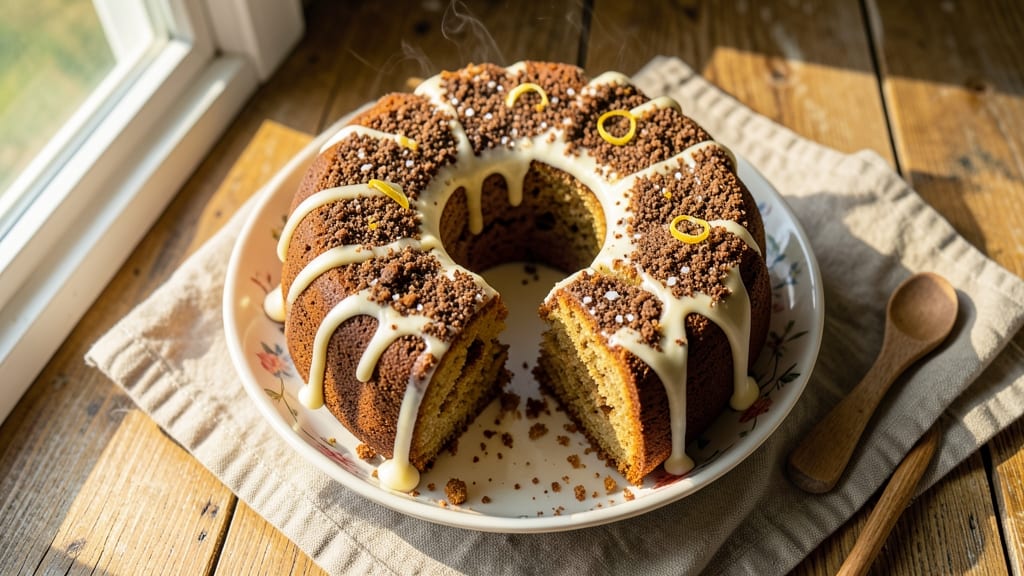
This Biscoff cookie Bundt cake delivers the perfect balance of rich chocolate and buttery vanilla swirls, all wrapped in a crispy cookie crust that becomes irresistibly tender as it bakes.
The secret lies in layering homemade vanilla cake batter with melted chocolate and crushed Biscoff cookies, creating a marbled effect that looks stunning and tastes even better.
What makes this recipe truly special is the cookie crust—it's the star of the show, offering a satisfying crunch that gives way to moist cake layers beneath.
The process is straightforward but requires attention to detail, especially when creating the cookie crust and ensuring the batter swirls properly. You'll need a Bundt pan (non-stick is ideal) and about 1 hour 15 minutes total time, including baking and cooling.
The cake's texture is what sets it apart: a tender, moist crumb with pockets of gooey chocolate and pockets of crispy cookie crunch in every bite. This isn't just dessert—it's an experience that will have everyone asking for seconds.
Once baked, the cake develops a golden, crackly crust that gives way to velvety layers inside, all held together by the cookie crust's buttery richness. The frosting—optional but recommended—adds a final touch of elegance, whether you choose a simple powdered sugar glaze or a richer chocolate buttercream.
Serve it warm with a scoop of vanilla ice cream, or let it cool slightly for a more structured slice. Either way, this cake is guaranteed to impress at gatherings or as a special treat for yourself.
What makes this recipe adaptable is its foundation: the cookie crust and swirled batter can be customized with add-ins like nuts, white chocolate chips, or even a splash of coffee in the batter for depth.
For dietary preferences, you can easily substitute gluten-free cookies and flour, or use dairy-free butter and chocolate. The key is maintaining the balance of textures—crispy, creamy, and tender—so every bite delivers that perfect harmony of flavors.
Ingredients for biscoff cookie bundt cake
Pantry staples meet buttery crunch in this stunning Bundt cake—crisp cookie crust, swirled chocolate, and velvety vanilla layers.
| Ingredient | Amount | Notes |
|---|---|---|
| Biscoff Cookies 🍪 | 1 ½ cups | Crushed, store-bought or homemade |
| Unsalted Butter 🧈 | 1 cup | Cold, cubed for cookie crust |
| All-Purpose Flour 🌾 | 2 ½ cups | Sifted, for cookie crust |
| Granulated Sugar 🍚 | ½ cup | For cookie crust |
| Vanilla Extract 🌿 | 1 tsp | Pure extract preferred |
| Large Eggs 🥚 | 2 whole | Room temperature |
| Baking Powder 🧂 | 1 tsp | For cookie crust |
| Salt 🧂 | ½ tsp | Fine sea salt |
| All-Purpose Flour 🌾 | 2 ½ cups | Sifted, for cake batter |
| Granulated Sugar 🍚 | 2 cups | For cake batter |
| Baking Powder 🧂 | 2 tsp | For cake batter |
| Salt 🧂 | ½ tsp | Fine sea salt |
| Large Eggs 🥚 | 4 whole | Room temperature |
| Unsalted Butter 🧈 | 1 cup | Melted, for cake batter |
| Milk 🥛 | 1 cup | Room temperature |
| Vanilla Extract 🌿 | 2 tsp | Pure extract preferred |
| Dark Chocolate Chips 🍫 | 1 ½ cups | Semi-sweet, for swirl |
| Powdered Sugar 🍚 | 1 cup | For glaze (optional) |
| Heavy Cream 🥛 | ¼ cup | For glaze (optional) |
The Biscoff cookies are non-negotiable for that signature crunch. Store-bought works fine, but homemade (with a splash of vanilla) elevates everything. For the cookie crust, cold butter is key—it creates those perfect flaky layers. If you're using store-bought cookies, look for the classic chocolate chip variety at Trader Joe's or Costco—they've got the best texture. The flour matters here too: King Arthur or Gold Medal brands stay light and airy. Sift it twice if you're feeling fancy, but honestly, a quick shake in a sieve does the trick.
No Biscoff cookies? Crushed chocolate chip cookies or even graham crackers work in a pinch—just toast them first for extra crunch. Running low on butter? Vegan butter or coconut oil keeps it dairy-free without sacrificing texture. The chocolate chips can be swapped for white chocolate or chopped nuts if you're feeling adventurous. For the glaze, powdered sugar and heavy cream is classic, but a simple dusting of powdered sugar alone cuts down on prep. Pro tip: Room-temperature eggs whip up lighter—just let them sit out for 30 minutes before using.
The cookie crust keeps best for 3 days at room temperature in an airtight container, but it's even better the next day once the flavors meld. The cake itself? 3 days in the fridge or 1 month in the freezer—just wrap it tightly in plastic wrap and foil. For serving, I always let it cool completely before slicing—patience ensures clean cuts. Leftovers? Reheat slices in the oven for 10 seconds to revive that crispy crust. And if you're making this ahead for a party, assemble the cake the night before—it just needs baking in the morning.
Why You'll Love This Recipe
- No Cookie Crumbs: Mix crushed Biscoff Cookies right into the batter—no extra steps, no extra bowls. The buttery crunch folds in smoothly while you cream the butter and sugar, and honestly? That first bite where you taste both the cake and the cookie? Worth every second.
- Buttery Cookie Dream: The combo of Biscoff’s signature caramelized sweetness and vanilla extract makes this cake taste like a hug from a bakery. I’ll be real: I’ve made it three times this month, and I keep forgetting to share it because I’m too busy sneaking slices.
- One-Bowl Wonder: Just toss everything—flour, sugar, melted butter, cookie bits, vanilla—into one bowl, mix, then pour. No sifting, no folding, no stress. My lazy Sunday mornings thank me every time, especially when the Bundt comes out with that perfect rise and no one asks how little effort it took.
- Budget Bakery Magic: A box of Biscoff Cookies and a few pantry staples make this cake cost less than half of what store-bought would. Plus, leftovers? They last a week if you’re sneaky about it—just reheat a slice in the microwave, and no one’s the wiser. (Yes, even on a Tuesday night.)
Step-by-step instructions for Biscoff cookie Bundt cake
Here's the method for a perfectly layered cake with crispy cookie crust and rich chocolate swirls.
Prepare the Cookie Crust
Preheat your oven to 350°F. In a food processor, pulse the 1.5 cups Biscoff Cookies until they become fine crumbs. Add the 1 cup Unsalted Butter (cold and cubed) and pulse until the mixture resembles wet sand.
Transfer the mixture to a medium bowl and stir in the 2.5 cups All-Purpose Flour (sifted), 0.5 cup Granulated Sugar, 1 tsp Vanilla Extract, 1 tsp Baking Powder, and 0.5 tsp Salt until fully combined. Press this mixture evenly into a 10-cup Bundt pan, creating an even layer about ¼-inch thick.
Bake for 8-10 minutes until the edges are lightly golden. Remove from the oven and let cool for 5 minutes before adding the cake batter. This brief baking ensures the crust stays crispy while supporting the cake structure.
Make the Cake Batter
In a large mixing bowl, cream together the 1 cup Unsalted Butter (melted and cooled), 2 cups Granulated Sugar, and 4 whole Large Eggs (room temperature) on medium speed for 3-4 minutes until light and fluffy. The mixture should nearly double in volume and become pale yellow.
Gradually add the 2.5 cups All-Purpose Flour (sifted), 2 tsp Baking Powder, and 0.5 tsp Salt to the butter mixture, alternating with the 1 cup Milk in three additions. Begin and end with flour. Mix on low speed just until combined—overmixing develops gluten and makes the cake dense.
In a separate bowl, whisk together the 1.5 cups Dark Chocolate Chips and 2 tsp Vanilla Extract. Gently fold this chocolate mixture into the cake batter until evenly distributed. The batter should be thick but pourable, with visible chocolate swirls throughout.
Assemble and Bake the Cake
Pour the cake batter evenly over the pre-baked cookie crust, spreading it to the edges of the pan. Tap the pan gently on the counter to release any air bubbles that may have formed. Bake in the preheated 350°F oven for 45-50 minutes, or until a toothpick inserted into the center comes out clean.
Here's the thing—don't open the oven during baking. The sudden temperature change can cause the cake to sink. When you see the top spring away from the sides and develop a golden hue, it's ready. Let the cake cool in the pan for 15 minutes before carefully inverting it onto a wire rack to cool completely.
Prepare the Optional Glaze (If Desired)
While the cake cools, prepare the glaze by whisking together the 1 cup Powdered Sugar and 0.25 cup Heavy Cream in a small bowl. Add 1 tsp Vanilla Extract and mix until smooth. The glaze should be thick enough to coat the back of a spoon but still drizzle easily.
Once the cake has cooled completely, carefully drizzle the glaze over the top. Use a spoon to spread it evenly, allowing some areas to remain slightly drippy for visual appeal. The glaze adds a sweet finish that complements the rich chocolate and buttery cookie crust.
Serve and Enjoy
Slice the cake into 8 equal wedges using a sharp serrated knife. For cleaner cuts, dip the knife in hot water and wipe it dry between slices. Serve at room temperature, allowing each slice to showcase the crispy cookie crust at the bottom and the moist, chocolate-swirled cake above.
The contrast of textures—crunchy crust, tender cake, and gooey chocolate—makes every bite satisfying. Store any leftovers in an airtight container at room temperature for up to 3 days, or refrigerate for up to 5 days. The cake actually tastes better the next day as the flavors meld together.
Pro Tips For Making Biscoff Cookie Bundt Cake
- Crush Cookies Coarse: Mix Biscoff cookies into a fine, uneven crumble—think breadcrumbs with texture, not powder. I learned this the hard way: smooth cookie dust makes the cake dense and chalky. A quick pulse in a food processor (3-4 seconds) gives you that perfect chunky contrast without overworking the batter.
- Butter at Room Temp: Let the unsalted butter sit out for 2 hours before creaming—yes, even if you’re in a rush. Cold butter creates pockets in the cake that won’t bake evenly, and you’ll end up with a dry center. Stick it in a warm spot (like the microwave for 30 seconds) if you’re desperate, but don’t skip this step entirely.
- Don’t Overmix the Batter: Stop folding in the crushed cookies as soon as they’re just combined. I used to think more cookie bits meant more flavor, but overmixing develops the gluten and turns the cake into a dense brick. Two or three gentle turns with a spatula is all you need—your future self will thank you.
- Bake with a Water Bath: Wrap the Bundt pan in foil and place it in a larger roasting pan filled with 1 inch of hot water before baking. This isn’t a fancy technique—it’s insurance against a dry cake. The steam keeps the texture moist, especially since Biscoff cookies already pull moisture from the batter. Just remove the foil after 20 minutes.
Dietary considerations for this dish
Gluten-Free Adaptation
For a gluten-free version, replace the all-purpose flour in both the cookie crust and cake batter with a 1:1 gluten-free baking flour blend like King Arthur Measure for Measure. Use the same measurements, but sift the blend thoroughly to avoid lumps.
I've found that adding 1 extra tablespoon of xanthan gum to the cookie crust helps mimic the structure of traditional flour. For the cake batter, increase the baking powder to 2.5 teaspoons to ensure proper rise. 🌱
Dairy-Free Options
To make this cake dairy-free, swap the unsalted butter for Earth Balance vegan butter or coconut oil. For the cookie crust, use dairy-free chocolate chips (like Enjoy Life brand) and ensure your Biscoff cookies are dairy-free.
In the cake batter, replace the milk with unsweetened almond milk or oat milk. I've tested this substitution and found that oat milk adds a subtle sweetness that complements the chocolate swirls beautifully.
Nut-Free Considerations
If nut allergies are a concern, avoid the chocolate chips with nuts and opt for Enjoy Life Semi-Sweet Chocolate Chips instead. These are made in a nut-free facility and provide the same rich chocolate flavor without the risk.
For extra crunch in the cookie crust, I sometimes add toasted pumpkin seeds (pepitas) instead of nuts, which work wonderfully and add a different texture profile. Always double-check labels to ensure all ingredients are nut-free.
Lower Sugar Version
For a lower-sugar option, reduce the granulated sugar in both the cookie crust and cake batter by ¼ cup (use 1.25 cups instead of 1.5 cups for the crust and 1.5 cups instead of 2 cups for the batter).
To compensate, add 1 tablespoon of molasses or 1 teaspoon of maple syrup to the cookie crust for depth. In the cake batter, replace ½ cup of the milk with unsweetened applesauce to maintain moisture while cutting calories.
The texture remains rich and satisfying, just with a slightly less sweet profile. 💛
Egg-Free Substitutions
For an egg-free version, replace the eggs in both the cookie crust and cake batter with a flaxseed "egg" substitute. Mix 1 tablespoon ground flaxseed with 3 tablespoons water per egg and let it sit for 5 minutes to thicken.
Use this mixture in place of each egg called for in the recipe. I've found that this substitution works particularly well in the cake batter, where it helps maintain structure without altering the flavor significantly. The cookie crust may be slightly denser but still holds its shape beautifully.
Nutrition facts
Frequently asked questions
Can I use store-bought Biscoff cookies instead of homemade?
Store-bought chocolate chip cookies work perfectly for the crust. Look for the classic variety from brands like Trader Joe's or Costco—they have the ideal texture. If you can't find Biscoff cookies, crushed graham crackers or even vanilla wafers add a nice crunch alternative.
Why does my cake sink in the middle when baking?
This usually happens if the oven isn't fully preheated or if you open the oven door too soon. Let the oven preheat for 15 minutes before baking, and avoid opening it during the first 30 minutes of baking. Also ensure your Bundt pan is properly greased or lined with parchment paper.
How do I make sure the chocolate swirls are visible in the cake?
Gently fold the chocolate mixture into the batter just until combined—don't overmix! Use a spatula to create subtle swirls in the batter before pouring it into the pan. For extra dramatic swirls, pipe the chocolate mixture into the batter in a zigzag pattern before folding.
Can I bake this cake in a different pan shape?
While a 10-cup Bundt pan is ideal, you can adapt this recipe for a 9-inch round or tube pan. Reduce baking time by 5-10 minutes and check for doneness with a toothpick. The cookie crust will need to be adjusted to fit the new pan shape—press it evenly to about ¼-inch thickness.
How long should I let the cake cool before slicing?
Let the cake cool completely in the pan for 15 minutes, then invert it onto a wire rack to cool for at least 1 hour before slicing. This prevents crumbling and ensures clean cuts. For the crispiest cookie crust, let it cool overnight in an airtight container.