
Desserts
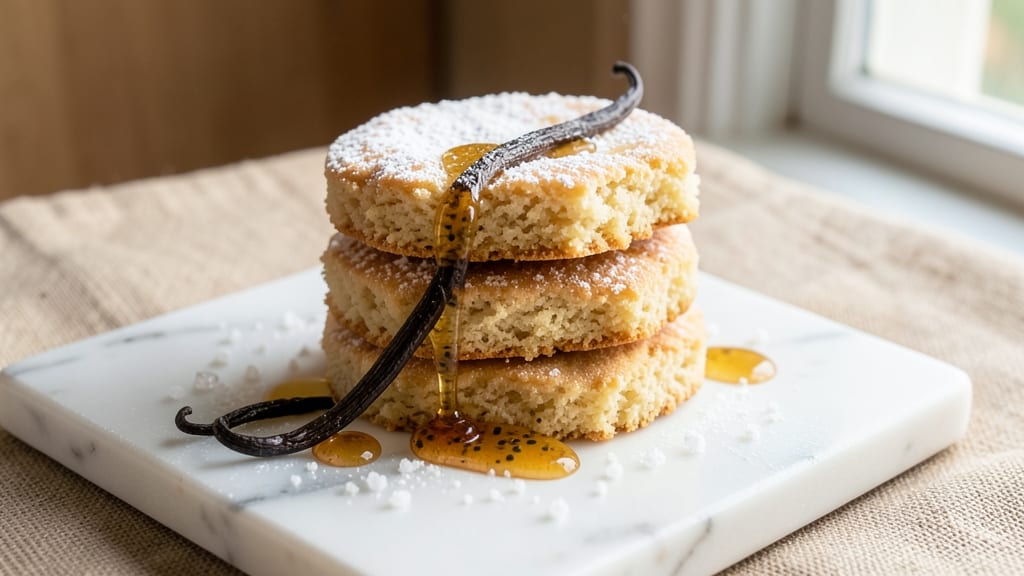
The Bouchon shortbread cookie recipe delivers the kind of delicate, melt-in-your-mouth texture that makes every bite feel like a Parisian café moment. 💛 What sets these apart is the triple-layered crispness—crunchy edges, tender centers, and a whisper of vanilla bean that lingers like a secret.
This isn’t your average shortbread; it’s a refined French technique that transforms simple ingredients into something extraordinary.
The foundation of any great bouchon shortbread is high-fat European-style butter, combined with fine sugar and a touch of vanilla for depth.
Unlike traditional shortbread, this recipe incorporates a light dusting of cornstarch for that signature crumbly texture, while a brief chill in the fridge ensures clean cuts and even baking. The result? Cookies that stay crisp for days but melt just enough to feel luxurious.
By the time these cookies emerge from the oven, they’ll be golden-edged and fragrant, with a vanilla kiss that elevates them beyond basic shortbread. The secret lies in the low-and-slow baking method, which prevents over-browning while developing that signature bouchon crunch.
Serve them warm with a dusting of powdered sugar or pair them with tea for a touch of Parisian elegance.
This recipe is perfect for holiday gifting, afternoon tea, or impressing guests—each bite carries the sophistication of a classic French bouchon. The technique is straightforward, but the results are anything but ordinary. Let’s get started on creating these restaurant-quality cookies at home.
Ingredients for bouchon shortbread cookie
Nine essential ingredients transform into Parisian café-worthy bouchon shortbread with triple-layered texture.
| Ingredient | Amount | Notes |
|---|---|---|
| European-Style Unsalted Butter 🧈 | 2 cups | 80% fat content, softened to room temperature |
| Fine Granulated Sugar 🍚 | 1 cup | Superfine preferred for even texture |
| Powdered Sugar 🍚 | ½ cup | For dusting finished cookies |
| Vanilla Bean Paste 🌿 | 2 tsp | High-quality Madagascar vanilla preferred |
| Cornstarch 🌾 | ¼ cup | Light dusting for signature crumbly texture |
| Diamond Crystal Kosher Salt 🧂 | ½ tsp | Fine grain for delicate seasoning |
| All-Purpose Flour 🌾 | 2 ½ cups | Sifted for light, airy texture |
| Vanilla Extract 🍯 | 1 tsp | Pure Madagascar vanilla preferred |
| Cold Heavy Cream 🥛 | ½ cup | Chilled for proper folding technique |
| Almond Extract 🌰 | ¼ tsp | Optional for subtle nutty depth |
The butter is non-negotiable—European-style with 80% fat content is the gold standard, available at specialty stores like Williams Sonoma or Sur La Table. Look for brands like Plugrá or Bergère for that signature bouchon richness. The vanilla bean paste (not extract) adds depth—Madagascar Bourbon from Madagascar Vanilla Estate delivers the most complex flavor profile. For the sugar, superfine or powdered ensures even distribution and prevents graininess in the final texture. The cornstarch is your secret weapon for that signature crumbly texture, while the kosher salt enhances every bite without overpowering.
No European butter? High-fat American butter (80% fat) like Land O'Lakes European Style works in a pinch, though the flavor won't be identical. Swap vanilla bean paste for double the amount of pure vanilla extract, but you'll miss the subtle floral notes. The almond extract is optional but adds a sophisticated layer—McCormick Pure Almond Extract is reliable. For the flour, King Arthur All-Purpose is ideal, but any high-quality brand works. If you're gluten-sensitive, substitute a 1:1 gluten-free flour blend and add an extra tablespoon to compensate for reduced binding. The heavy cream should be cold and full-fat—none of that light stuff.
Store the butter at room temperature in an airtight container to maintain its perfect consistency. The dough can be chilled for up to 48 hours or frozen for 3 months—just let it sit at room temperature for 30 minutes before rolling. Once baked, these cookies stay crisp for 5-7 days in an airtight container at room temperature. For gifting, package them in parchment-lined boxes with a dusting of powdered sugar to preserve freshness. The aroma alone will make your kitchen smell like a Parisian patisserie.
Why You'll Love This Recipe
- No-Fuss Dough: I swear by this recipe because it’s just four ingredients (plus cornstarch to keep them crisp) mixed with a fork—no food processor, no chilling stress. The butter’s so rich it melts into the sugar like butter in a hot pan, and you’re shaping cookies in minutes.
- Vanilla Kiss Magic: That vanilla bean paste isn’t just flavor—it’s luxury in a spoonful. The cookies smell like a Parisian bakery, and the first bite gives you that buttery crunch with a whisper of creamy vanilla that lingers. (Yes, even on a Tuesday night.)
- Party in a Jar: Between us, these are my go-to for holidays, teacher gifts, or when my book club needs something fancy but easy. They freeze like a dream—just wrap them in parchment and toss in a bag. Pull one out cold, and it’s still perfect.
- Budget Luxury: European butter feels indulgent, but a single stick stretches for dozens of cookies. The powdered sugar dusting adds that bakery finish without breaking the bank, and the cornstarch keeps them from getting soggy. Basically, fancy taste, zero guilt.
Step-by-step instructions for bouchon shortbread cookies
Mastering these delicate cookies requires precision—here's how to achieve that signature triple-layered crispness.
👨🍳 Step 1: Cream Butter and Sugars to Peak Volume
In a stand mixer fitted with the paddle attachment, beat the 2 cups European-Style Unsalted Butter on medium speed until completely smooth—about 2 minutes. This ensures no lumps remain that could create texture inconsistencies. Gradually add the 1 cup Fine Granulated Sugar and 0.5 cup Powdered Sugar, mixing for another 4-5 minutes until the mixture is pale, fluffy, and has nearly doubled in volume.
Here's the thing—this creaming process incorporates air that becomes the foundation for those signature Bouchon layers. You'll know you've achieved peak volume when the mixture leaves clean streaks on the bowl when the paddle is lifted. The butter should be room temperature (pressable but not greasy) for optimal emulsification.
👨🍳 Step 2: Incorporate Vanilla and Dry Ingredients
Add the 2 tsp Vanilla Bean Paste, 1 tsp Vanilla Extract, and 0.25 tsp Almond Extract to the butter-sugar mixture, mixing on low speed for 30 seconds to fully combine. In a separate bowl, whisk together the 2.5 cups All-Purpose Flour, 0.25 cup Cornstarch, and 0.5 tsp Diamond Crystal Kosher Salt. Sift this flour mixture directly into the wet ingredients while mixing on low speed—this prevents gluten development that would make the cookies tough.
Mix just until combined—about 30 seconds—you should still see small flour streaks. Overmixing develops gluten, which destroys the delicate crumb structure these cookies require. The dough should hold together when pressed but still feel slightly crumbly, almost like wet sand.
🥘 Step 3: Fold in Heavy Cream for Signature Texture
Remove the mixer bowl and gently fold in the 0.5 cup Cold Heavy Cream using a silicone spatula. The cream should be well chilled to prevent melting the butter. Work quickly but carefully to maintain the air incorporated during creaming. The dough will become more cohesive but should still feel slightly shaggy—this is normal and essential for the final texture.
Divide the dough into 3 equal portions (about 1⅓ cups each) and flatten into 3-inch circles on parchment-lined baking sheets. The circles should be about ¼-inch thick—press gently but firmly to create even layers. Here's where the magic happens: stack the circles directly on top of each other, creating a 3-layer structure before baking.
🔥 Step 4: Bake to Golden Perfection
Preheat your oven to 325°F—this lower temperature ensures even baking without browning. Bake the stacked cookies for 25-30 minutes until the edges are just beginning to turn golden and the tops feel firm to the touch. The centers should still look slightly underbaked—they'll firm up as they cool.
Real talk: don't overbake. These cookies should be crisp but still tender when broken apart. They'll continue setting as they cool, so pull them out when they're lightly golden rather than deep brown. Let them cool completely on the baking sheets for 1 hour before transferring to an airtight container.
⏰ Step 5: Dust and Store for Maximum Freshness
Once completely cool, dust the tops and sides generously with the remaining 0.5 cup Powdered Sugar using a fine-mesh sieve. This creates that signature Bouchon finish. Store the cookies in an airtight container at room temperature for up to 5 days, or freeze between layers of parchment for up to 3 months. The layers will maintain their crispness remarkably well when properly stored.
For serving, break apart the stacked cookies to reveal the delicate layers—each bite should deliver that signature crumbly texture with vanilla-almond depth. The powdered sugar dusting should coat your fingers slightly, completing the authentic Bouchon experience.
Pro Tips For Making Bouchon Shortbread Cookie
- CHILL THE DOUGH: Use the fridge—not the freezer. After mixing, flatten the dough into a disc and refrigerate for at least 2 hours. I learned this the hard way—skipping it makes the cookies spread like pancakes instead of holding their shape. (Yes, even if you’re impatient like me.)
- WEIGH THE BUTTER: European-style unsalted butter has more water content than American butter. Weigh it at 227 grams (1 cup) for the recipe, not scooping—trust the scale. After burning three batches with overly wet dough, I finally realized this is the thing that matters most.
- SCRAPE THE VANILLA: Don’t just eyeball the vanilla bean paste—scrape every last bit of seeds and pulp into the bowl. The paste is expensive; wasting it feels like leaving money on the counter. (And yes, the flavor difference is noticeable.)
- PRESS DON’T ROLL: For the final shape, press the dough into a ¼-inch-thick sheet with your hands—not a rolling pin. This ensures even baking and that signature bouchon crumb. I was skeptical until I tried it—no more dense edges or uneven cookies.
Troubleshooting perfect results
Dough Too Sticky
If your dough feels too sticky to handle, it’s likely because the butter warmed too much during mixing. I’ve found that using cold heavy cream (straight from the fridge) helps stabilize the texture. Try adding 1-2 tablespoons more all-purpose flour, mixing gently with a spatula until just combined.
Overworking it will toughen the cookies, so keep it minimal—just enough to create a workable dough that still holds its delicate crumb.
Cookies Spread Too Much
Excessive spreading usually means your butter wasn’t cold enough or your oven runs hot. To fix this, chill the dough for 30 minutes before shaping and flattening the circles. Also, ensure your oven is fully preheated to 325°F—use an oven thermometer to confirm accuracy.
If your cookies still spread, reduce the baking time by 2-3 minutes and monitor closely. The edges should just begin to golden, not spread into flat discs.
Pale, Underbaked Centers
If your cookies emerge pale and soft in the middle, they likely didn’t bake long enough. The key is patience—these cookies should bake until the edges are just beginning to turn golden, not fully browned.
Increase baking time by 2-5 minutes and check for firmness to the touch. For even baking, rotate the pans halfway through. If your oven has hot spots, use the middle rack and avoid overcrowding the sheet.
Crumbly but Dry Texture
A dry, sandy texture often happens when too much flour is added or the butter isn’t properly creamed. To rescue this, gently press the dough together and fold in 1 tablespoon cold heavy cream to bind it.
If the issue persists, the butter may have been overworked—start fresh with room-temperature butter and cream it for no more than 5 minutes until light and fluffy. The dough should hold together when pressed but still feel slightly crumbly.
Burnt Edges Before Fully Baked
Burnt edges while the centers remain underbaked usually mean your oven is too hot or the cookies are too close to the heat source. Lower the oven temperature to 315°F and position the baking sheet on the middle rack.
If your oven has inconsistent heat, try baking on the lower rack for the first 15 minutes before moving to the middle. For even browning, avoid stacking pans—bake one sheet at a time if needed.
Cookies Lose Crispness Too Quickly
Shortbread cookies lose their crispness when exposed to moisture or heat. To preserve that signature triple-layered crunch, store them in an airtight container with a silica gel packet to absorb moisture. Avoid stacking them directly—use parchment paper between layers to prevent sticking.
If they soften, return them to a 200°F oven for 5-10 minutes to restore crispness. For gifting, package them in parchment-lined boxes with a dusting of powdered sugar to lock in freshness.
Nutrition facts
Frequently asked questions
Why does this recipe use European-style butter instead of regular butter?
The higher fat content (80%) in European-style butter creates that signature bouchon richness and triple-layered texture. Regular American butter (typically 82-86% fat) can work, but European butter has a smoother, more refined flavor that elevates these delicate cookies. The extra fat also prevents excessive crumbling while maintaining that signature crunch.
Can I make these cookies without a stand mixer?
Use a hand mixer or even a sturdy wooden spoon for creaming the butter and sugars. Work in 2-minute intervals to avoid overheating the butter. For folding in the heavy cream, use a silicone spatula and mix gently by hand—just be extra careful not to overwork the dough. The key is patience and gentle handling to maintain that light, airy texture.
What's the secret to the triple-layered texture?
The magic happens in three steps: 1) Properly creaming the butter and sugars to incorporate air, 2) Chilling the dough before shaping (even 30 minutes helps), and 3) Stacking three thin layers before baking. The cornstarch also plays a crucial role by creating that signature crumbly yet crisp structure. Baking at 325°F ensures even cooking without over-browning the layers.
How do I know when these cookies are fully baked?
They're done when the edges are just beginning to turn golden and the tops feel firm to the touch. The centers should still look slightly underbaked—they'll firm up as they cool. A toothpick inserted should come out with a few crumbs, not wet batter. Overbaking turns them dry, so pull them out when they're lightly golden rather than deep brown. Let them cool completely on the baking sheet for 1 hour before handling.
Can I add other flavors like lemon or orange zest?
Yes, but go light! Add 1 teaspoon of finely grated lemon or orange zest to the dry ingredients, along with ½ teaspoon of the corresponding extract. The citrus pairs beautifully with vanilla, but too much can overpower the delicate bouchon flavor. For a more subtle approach, try ½ teaspoon of cardamom or a pinch of rosewater—both complement the vanilla while maintaining that classic bouchon profile.