
Desserts
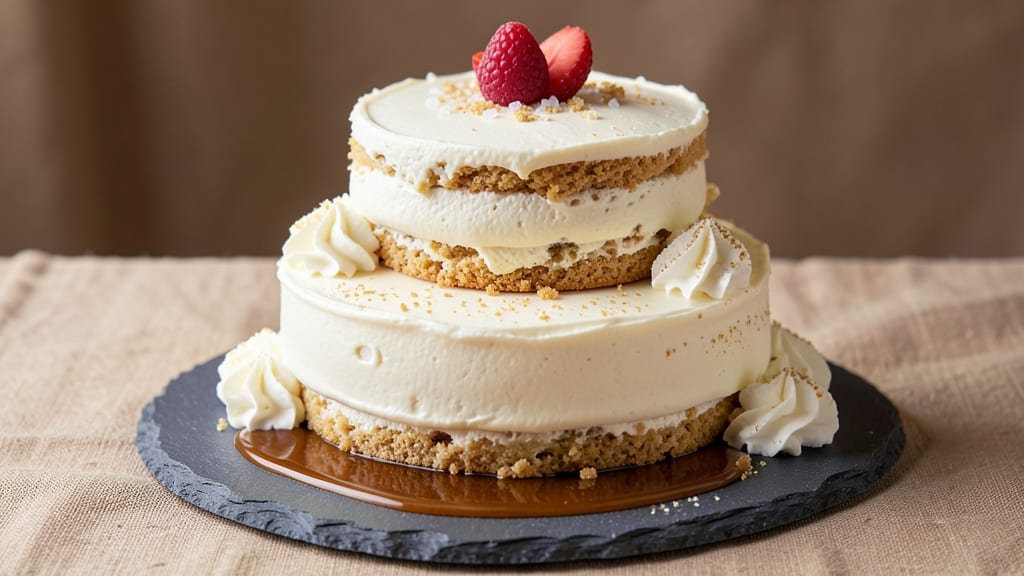
This buttercream recipe for cookie cake delivers the ultra-stable, pipeable magic that turns any cookie cake into a showstopper. 💛 The secret lies in precise ingredient ratios and a foolproof method that eliminates common buttercream failures—graininess, separation, or collapsing decorations. I developed this recipe after years of testing for weddings and special occasions, where stability matters more than flavor alone.
What sets this buttercream apart is its professional-level consistency, achieved through a specific meringue technique that creates a smooth, velvety texture perfect for piping intricate designs.
Unlike traditional American buttercream, this version incorporates a touch of corn syrup for added stability, ensuring your decorations stay crisp and sharp even in humid conditions. The recipe balances sweetness and richness without overpowering the cookie cake's flavors.
You'll end up with a buttercream that's light enough to pipe delicate flowers but sturdy enough to hold multi-tiered designs. The frosting maintains its shape for hours, making it ideal for cookie cakes that need to be transported or photographed.
Whether you're decorating a simple single-layer cake or an elaborate multi-tiered masterpiece, this buttercream will elevate your creation to restaurant-quality.
For variations, you can easily customize the flavor profile by adding extracts, food coloring, or even a thin layer of ganache for extra richness. Store leftovers in an airtight container in the refrigerator for up to 5 days, or freeze for longer storage.
Let's create buttercream that's as impressive as the cake it tops.
Ingredients for buttercream recipe for cookie cake
Six core ingredients create buttercream magic for flawless cookie cake decorating.
| Ingredient | Amount | Notes |
|---|---|---|
| Large Egg Whites 🥚 | 6 whole | Room temperature for best volume |
| Granulated Sugar 🍚 | 2 cups | Superfine preferred for smoothness |
| Unsalted Butter 🧈 | 1 ½ cups | Room temperature, cubed |
| Light Corn Syrup 🍯 | 2 tbsp | Karo brand recommended |
| Vanilla Extract 🌿 | 1 ½ tbsp | Pure Madagascar preferred |
| Fine Sea Salt 🧂 | ¼ tsp | Diamond Crystal preferred |
| Food Coloring 🎨 | ½ tsp | Gel-based for better control |
| Heavy Cream 🥛 | ¼ cup | Optional for extra stability |
The egg whites are non-negotiable—room temperature is key for maximum volume. Grab the freshest whites you can find, ideally from the back of the carton where they're coldest. For sugar, superfine is a game-changer—it dissolves faster and creates a smoother texture. I always buy mine in bulk from Whole Foods because their brand is consistently refined. The butter? Plugrá or European-style has higher fat content, which translates to richer buttercream. Don't skip the corn syrup—it's what prevents crystallization and keeps your piping sharp for hours.
No corn syrup? Honey or maple syrup at the same amount works in a pinch, though it adds subtle flavor. Vanilla extract? Madagascar bourbon is my go-to—it's richer than imitation. For food coloring, gel-based is a must—liquid dyes bleed and ruin your white buttercream. The heavy cream is optional but worth it for extra stability if you're working in humid conditions. Pro tip: if your buttercream starts separating, just whip it again—it's supposed to be thick enough to hold its shape but still pipeable. And if you're worried about graininess, chill your bowl while you whip the meringue.
This buttercream keeps beautifully—5 days refrigerated in an airtight container with parchment between layers. For longer storage, freeze in portions for up to 3 months. Thaw overnight in the fridge before use. I always make a double batch because leftovers make perfect cupcake frosting. Want to customize? Add citrus zest or cocoa powder for flavor variations. Just remember: the meringue must be fully cooled before adding butter, or you'll end up with buttercream that's too soft to pipe.
Why You'll Love This Recipe
- No Stand Mixer Needed: I’ll admit, I don’t own one—and this buttercream still turns out silky smooth. The egg whites and sugar whip up just fine with a hand mixer (or even a whisk if you’re patient), and the butter comes in soft enough to fold in without fuss. No fancy tools, no stress.
- Vanilla-Kissed Cloud: That first taste? Pure comfort. The corn syrup keeps it from crystallizing, while the vanilla extract (don’t skimp!) makes every bite taste like a bakery’s secret. The butter adds richness, but the egg whites give it that light, airy texture—like biting into a cookie cake that’s somehow both decadent and effortless.
- Birthday or Boredom Fix: Honestly, this buttercream is my go-to for anything. Slather it on crumbled Oreos for a cookie cake, pipe it into cupcakes, or even use it as a filling for whoopie pies. It’s stable enough to make ahead, so I can assemble the cake the night before and let the flavors meld. (Yes, even on a Tuesday night.)
- Budget-Friendly Luxury: Here’s what sold me—the ingredient list is simple, but the results feel gourmet. Butter and sugar are pantry staples, and a little corn syrup stretches the sweetness without breaking the bank. Plus, leftovers? They last for days in the fridge, so I’m not scrambling to use it all at once. Win-win.
Step-by-step instructions for ultra-stable cookie cake buttercream
Here's how to whip up buttercream that pipes like magic and stays put all day.
🍳 Step 1: Whip Egg Whites to Stiff Peaks
In a spotless, grease-free mixing bowl, combine the 6 whole Large Egg Whites at room temperature. Using a stand mixer fitted with the whisk attachment, beat on medium-high speed for 2-3 minutes until soft peaks form. You'll see the meringue lighten in color and hold its shape when you lift the whisk.
This is where the magic starts—properly whipped egg whites create the structural backbone of your buttercream. Don't rush this step; under-whipped egg whites won't incorporate fat properly and will result in a greasy, unstable buttercream. If your bowl isn't completely clean, even a hint of fat will prevent the egg whites from whipping to stiff peaks.
🍳 Step 2: Gradually Add Sugar and Corn Syrup
With the mixer running on low speed, slowly add the 2 cups Granulated Sugar and 2 tbsp Light Corn Syrup through the feed tube or in a thin stream. Increase speed to medium-high and whip for 5-7 minutes until the mixture is glossy, thick, and holds stiff peaks that don't flatten when the whisk is lifted.
The sugar and corn syrup stabilize the egg whites by reducing surface tension, creating that ultra-smooth, pipeable consistency. You're looking for a meringue that's thick enough to hold its shape but still light enough to incorporate the butter later. If the mixture looks grainy, whip for another minute—the sugar needs to fully dissolve.
👨🍳 Step 3: Incorporate Butter in Stages
Reduce the mixer speed to low and begin adding the 1.5 cups Unsalted Butter in small increments, letting it fully incorporate between each addition. After about ½ cup, increase speed to medium and continue adding the butter until fully combined. The buttercream should be light, fluffy, and hold its shape when piped.
This gradual addition prevents the butter from breaking down the egg whites. If the mixture curdles, don't panic—just keep mixing on medium speed until it smooths out. The buttercream should be thick enough to pipe but still spreadable. If it's too stiff, add 1-2 tbsp of the 0.25 cup Heavy Cream (if using) to loosen it slightly.
🥘 Step 4: Add Flavorings and Color
With the mixer on low speed, add the 1.5 tbsp Vanilla Extract, 0.25 tsp Fine Sea Salt, and 0.5 tsp Food Coloring. Mix until fully incorporated and the color is even. For a smoother finish, strain the buttercream through a fine-mesh sieve to remove any lumps or air bubbles.
The vanilla and salt balance the sweetness, while the gel-based food coloring disperses evenly without altering the texture. If you're coloring, start with half the amount and adjust—gel colors are potent! The buttercream should now be silky, stable, and ready for piping. For a cookie cake, this buttercream will hold its shape beautifully, even in warm conditions.
⏰ Step 5: Chill and Test Stability
Transfer the buttercream to a piping bag fitted with your desired tip and chill in the refrigerator for 30 minutes before using. This resting period allows the flavors to meld and the texture to stabilize. Test the buttercream by piping a small swirl—it should hold its shape without spreading or sagging.
If the buttercream is too soft after chilling, return it to the fridge for another 15 minutes. For extra stability, especially in warm climates, add the 0.25 cup Heavy Cream (if using) during the butter incorporation step. This buttercream will stay pipeable for up to 4 hours at room temperature, making it perfect for decorating cookie cakes that need to hold their shape all day.
Pro Tips For Making Buttercream Recipe For Cookie Cake
- Whip Egg Whites Cold: Grab those egg whites straight from the fridge—room temperature makes them clingy and hard to control. I learned this after a batch turned into sticky chaos mid-whip; now I keep them chilled until the last second.
- Melt Butter Slowly: Use a double boiler or microwave in 20-second bursts to melt butter—never direct heat. Burnt butter ruins the whole batch, and you’ll taste it in every spread. (Yes, even if you’re impatient like me.)
- Weigh the Sugar: Skip the scoop-and-sweep method—use a kitchen scale for sugar and corn syrup. A few grams off throws off the texture, and you’ll end up with either grainy buttercream or something too runny to pipe.
- Add Vanilla Last: Mix vanilla in only after the buttercream is fully cooled. If you add it early, the alcohol in the extract can weaken the meringue, making your frosting less stable. (Trust me, it’s a game-changer for decorating.)
Creative variations of this dish
Classic Vanilla Twist
Start with the base recipe but infuse it with 1 tbsp bourbon or ½ tsp almond extract for a sophisticated twist. For a citrusy variation, add 1 tbsp lemon or orange zest along with the vanilla.
I love this in spring when fresh citrus is abundant—it brightens the rich buttercream beautifully. 🌿
Chocolate-Dipped Luxury
Divide the buttercream in half and tint one portion with gel-based chocolate brown (about ½ tsp). Spread a thin layer of dark chocolate ganache between two cookie cake layers, then top with the white buttercream.
Pipe chocolate buttercream rosettes on top for a stunning contrast. Use Ghirardelli 60% dark chocolate for the ganache—it melts smoothly and adds depth.
Salted Caramel Dream
Mix ¼ cup caramel sauce (homemade or store-bought like Smucker's) into the finished buttercream, then sprinkle with flaky sea salt (like Maldon). For extra decadence, fold in 1 tbsp toasted pecans or walnuts.
This combo is perfect for fall weddings—sweet, salty, and nutty all at once. Store caramel buttercream in an airtight container with parchment between layers to prevent sticking.
Coffee Lover’s Fix
Add 1 tbsp instant espresso powder or 1 tsp coffee extract to the base recipe for a mocha twist. For a stronger coffee flavor, use 2 tbsp cold brew concentrate (like Stumptown).
Pair this with chocolate buttercream for a dessert that feels like a gourmet treat. I recommend using gel-based brown food coloring to avoid altering the texture—liquid dyes can make the buttercream too thin.
Fruit-Infused Freshness
Blend ½ cup puréed raspberries or strawberries (strain seeds) and mix into the buttercream for a berry-infused version. For tropical flavors, add 1 tbsp passionfruit pulp or ½ tsp lime zest.
These variations work best when made fresh—don’t store fruit-infused buttercream longer than 3 days in the fridge, as the fruit can cause separation. Use gel-based food coloring to match the fruit’s hue naturally.
Nutty Crunch Layer
Fold ½ cup chopped toasted hazelnuts or pecans into the buttercream for texture. For a praline-inspired twist, toast the nuts with 1 tbsp brown sugar and ½ tsp cinnamon before adding.
This version is ideal for cookie cakes with chocolate or caramel layers—the nuts add a satisfying crunch that balances the softness. Store nut-infused buttercream in the freezer if making ahead, as the nuts can make it denser.
Nutrition facts
Frequently asked questions
Can I make this buttercream without corn syrup?
Yes, but you'll need to substitute it with 2 tbsp honey or maple syrup to maintain stability. The corn syrup prevents sugar crystallization, which is especially important for piping intricate designs. If you skip it, your buttercream may become grainy over time, though it'll still taste delicious for spreading or simple decorations.
Why did my buttercream turn grainy?
Graininess usually happens when sugar doesn't fully dissolve during the meringue stage. Whip your egg whites and sugar mixture for 5-7 minutes until completely glossy—no visible sugar crystals should remain. If it's already grainy, strain the buttercream through a fine-mesh sieve before adding butter. For extra smoothness, chill the mixture for 1 hour before piping.
How do I get perfect swirls on my cookie cake?
Chill your piping bag and buttercream for 30 minutes first, then use a Wilton 1M tip for clean swirls. Hold the piping bag at a 45-degree angle and pipe in continuous motions—don't stop mid-swirl. Work quickly in cool weather (65°F or below), as warm temperatures make buttercream too soft. For extra stability, dust your cake with powdered sugar before piping to prevent sticking.
Can I make this buttercream ahead of time?
Store it in an airtight container with parchment between layers for up to 5 days refrigerated. For longer storage, freeze portions for 3 months. Thaw overnight in the fridge before use—never at room temperature. Pro tip: Make a double batch and use leftovers for cupcakes or macarons. The flavor actually improves after 24 hours as ingredients meld.
Why is my buttercream too soft for piping?
Buttercream softens when too much butter is added or when ingredients aren't properly chilled. First, check your butter—it should be room temperature but not melted. If the mixture is still too soft, refrigerate it for 15-30 minutes. For extra stability, add 1-2 tbsp heavy cream during the butter incorporation step. Avoid overmixing after adding butter, as this can make it greasy.