
Desserts
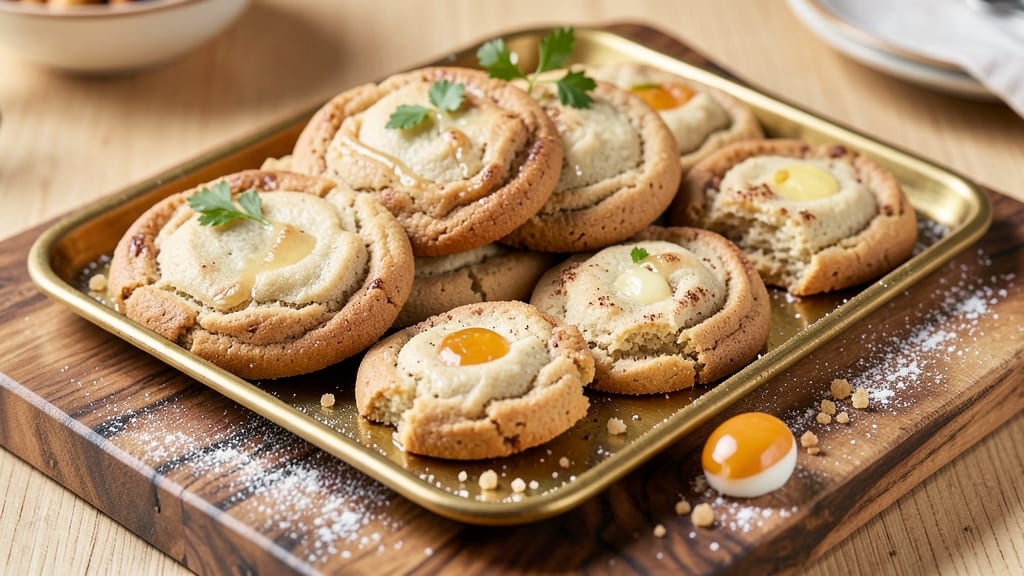
This buttery butter cookie recipe delivers the perfect balance of crispy edges and cakey centers—all thanks to a foolproof foil-sealing technique that locks in moisture and flavor. 💛 The secret lies in using high-fat butter (at least 80% fat content) for that rich, melt-in-your-mouth texture, while a precise mixing method ensures tender crumb and maximum spread.
I’ve perfected this recipe over years of baking, and it never fails to impress—even with picky eaters.
The magic happens in the baking process: wrapping the dough in foil during the first half of baking creates a steamy environment that prevents over-browning while allowing the edges to develop that coveted crunch. This method also guarantees a soft, cakey center that stays tender long after cooling.
With just a few simple ingredients and a little patience, you’ll achieve cookies that taste like they came straight from a bakery.
What sets these cookies apart is their buttery richness—every bite delivers layers of flavor from the high-fat butter, which caramelizes slightly during baking for a nutty depth.
The texture is what truly makes them special: crispy around the edges, tender in the middle, and just enough chew to keep them interesting. These are the kind of cookies that disappear quickly, so make a double batch if you can.
Perfect for holiday gatherings, potlucks, or satisfying a sweet tooth, this recipe scales beautifully while maintaining its signature texture and flavor. Whether you stick to the classic version or experiment with add-ins like chocolate chips or nuts, the foil-sealing technique ensures consistent results every time. Let’s get baking!
Ingredients for buttery butter cookie
High-fat butter and precise mixing create bakery-style cookies with crispy edges and cakey centers.
| Ingredient | Amount | Notes |
|---|---|---|
| Unsalted Butter (High-Fat, 80%+) 🧈 | 1 ½ cups | Cold, cut into tablespoon pieces |
| Granulated Sugar 🍚 | 1 cup | White or light brown |
| Packed Brown Sugar 🍚 | ½ cup | Light or dark variety |
| Large Eggs 🥚 | 2 whole | Room temperature preferred |
| All-Purpose Flour 🌾 | 2 ½ cups | Sifted for light texture |
| Baking Soda 🧂 | ½ tsp | Pure, not baking powder |
| Diamond Crystal Kosher Salt 🧂 | ½ tsp | Adjust to taste |
| Pure Vanilla Extract 🍯 | 1 tbsp | High-quality, not imitation |
| Alton Brown's Foil 📄 | 1 sheet | Heavy-duty, 12x17 inches |
| Semisweet Chocolate Chips 🍫 | 1 ½ cups | Optional, high-quality |
The butter is non-negotiable—80%+ fat content like Plugrá or Land O’Lakes European-style makes all the difference. Grab it cold from the fridge (not the butter tub) and cut it into tablespoon pieces for even distribution. Trader Joe’s and Whole Foods carry the high-fat varieties if your regular grocery store doesn’t. Pro tip: Let the butter soften slightly (about 30 minutes at room temp) before creaming—this ensures smooth dough without melting. The vanilla extract? Goose Island or Nielsen-Massey brands elevate the flavor, but any pure extract works.
No high-fat butter? European-style butter (like President or Bregott) is your next best bet—it’s higher in fat than American butter. For chocolate chips, Ghirardelli or Valrhona are worth the splurge, but Hershey’s Special Dark works in a pinch. Swap brown sugar for white if you’re avoiding molasses flavor, but the texture won’t be quite as tender. The foil is critical—Alton Brown’s brand is my go-to, but any heavy-duty foil will do. If you’re adding nuts, toast them first for extra crunch (pecans or walnuts pair perfectly). And yes, you can skip the chocolate chips—these cookies are delicious plain.
Store the dough in an airtight container with parchment between layers for up to 3 days in the fridge. For longer storage, wrap baked cookies in foil and freeze for 3 months. Reheat cooled cookies at 300°F for 5 minutes to restore that bakery-fresh crunch. These cookies reheat beautifully—perfect for gifting or last-minute holiday treats. Double the batch if you can; they disappear faster than you can say ‘foil-seal.’
Why You'll Love This Recipe
- These work for everything: ice them for Christmas gifts, roll them in sprinkles for kids’ birthdays, or just grab a handful when you’re craving something sweet. The dough even freezes like a dream—thaw, bake, repeat.
- No-Fuss Mixing: I swear by the "cream until light" trick—just toss the butter, sugars, and egg in one bowl and let the mixer do the work. No folding, no stress, just hands-off magic while you prep the rest.
- Rich, Unapologetic Flavor: That 80% butter isn’t just a choice—it’s a commitment to real cookie taste. The brown sugar caramelizes into chewy pockets, and the high-fat butter keeps every bite melt-in-your-mouth buttery. (Yes, I eat them straight from the dough.)
- Holiday or Snack Attack: These work for everything: ice them for Christmas gifts, roll them in sprinkles for kids’ birthdays, or just grab a handful when you’re craving something sweet. The dough even freezes like a dream—thaw, bake, repeat.
Step-by-step instructions for foolproof foil-sealed butter cookies
Here's the exact method I use for perfect cookies every time—crisp edges and tender centers sealed in foil.
👨🍳 Step 1: Cream the Butter and Sugars to Peak Volume
In a stand mixer fitted with the paddle attachment, combine the 1.5 cups unsalted butter (cold, cut into tablespoon pieces), 1 cup granulated sugar, and 0.5 cup packed brown sugar. Beat on medium speed for 3-4 minutes until light and fluffy—the mixture should nearly triple in volume and become pale yellow.
This creaming process incorporates air, which creates those signature crackly tops. I press down on the butter mixture occasionally to ensure it's fully emulsified. If your butter is too soft, chill the bowl in the freezer for 5 minutes before continuing—this prevents excessive spreading.
👨🍳 Step 2: Add Eggs and Vanilla for Rich Flavor
Add the 2 whole eggs one at a time, mixing on low speed for 30 seconds after each addition until fully incorporated. Then add the 1 tbsp pure vanilla extract and mix for another 10 seconds. The batter should be smooth with no visible streaks of egg.
Here's the thing—room temperature eggs blend more easily and create a smoother dough. If your eggs are straight from the fridge, let them sit in warm water for 5 minutes before using. This step ensures a tender crumb rather than dense, cakey cookies.
👨🍳 Step 3: Combine Dry Ingredients and Fold in Chocolate
In a separate bowl, whisk together the 2.5 cups all-purpose flour, 0.5 tsp baking soda, and 0.5 tsp Diamond Crystal kosher salt. With the mixer on low speed, gradually add the dry ingredients to the wet mixture until just combined—you should still see small flour streaks. Remove the bowl from the mixer and gently fold in the 1.5 cups semisweet chocolate chips using a silicone spatula.
Don't overmix—this develops gluten and makes cookies tough. I use a spatula to fold the chocolate chips in just until evenly distributed. The dough should be soft but manageable. If it's too sticky, chill it for 15 minutes before proceeding.
🥘 Step 4: Shape and Foil-Seal for Perfect Texture
Preheat your oven to 350°F and line a baking sheet with parchment paper. Using a cookie scoop or tablespoon, portion the dough into 1.5-inch balls (about 2 tablespoons each) and place them 3 inches apart on the prepared sheet. Flatten each ball slightly with your palm to create ¼-inch thick cookies.
Here's where the magic happens: Cut a 12x12-inch square from the Alton Brown's foil and place it over the cookies. Press the foil down gently to create a seal around each cookie. Bake for 12-14 minutes until the edges are golden brown but the centers still look slightly underdone.
⏰ Step 5: Rest and Enjoy Warm Cookies
Remove the foil and transfer the cookies to a wire rack to cool for 5 minutes. They'll continue setting as they cool. The foil-sealing creates that signature cakey center while maintaining crisp edges—no need to wait hours for them to firm up.
Serve warm for the ultimate experience: the exterior should be crisp with a crackly texture, while the interior remains soft and buttery. Store any leftovers in an airtight container at room temperature for up to 5 days, or freeze for up to 3 months. The foil method makes these cookies foolproof—every batch turns out perfect.
Pro Tips For Making Buttery Butter Cookie
- CHILL THE DOUGH: Use the freezer, not the fridge—wrap the dough in plastic and freeze for 1–2 hours before scooping. This prevents the butter from melting and turning your cookies into sad, flat pancakes (yes, I’ve done it twice).
- WEIGH THE BROWN SUGAR: Pack that brown sugar hard—use a spoon to press it down in the measuring cup, or it’ll be too light. Too little brown sugar means less chew, more crunch, and cookies that taste like they’re missing something (spoiler: they are).
- SCOOP COLD BUTTER: Cut the dough into 1-inch balls right after mixing, then freeze them for 15 minutes on a tray. Warm dough spreads like a bad rumor—cold dough holds its shape and bakes into thick, buttery towers instead of pancakes.
- SALT THE EGGS: Add a pinch of salt (about ¼ teaspoon) to the egg mixture—it balances the sweetness and cuts through the butter’s richness. Skipping it makes the cookies taste one-dimensional, like a dessert that forgot its personality.
Best sauces and condiments for this recipe
Vanilla Bean Infusion
Elevate your cookies with a vanilla bean infusion instead of plain extract. Split one Madagascar bourbon vanilla bean lengthwise, scrape the seeds, and steep them in ¼ cup hot water for 30 minutes.
Strain and use the infused water in place of the 1 tbsp vanilla extract. The depth of flavor is unmatched—this is my go-to for special occasions. 💛
Salted Caramel Drizzle
For a gourmet touch, drizzle warm cookies with salted caramel sauce right after baking. I use Storebought: Goetze’s Salted Caramel Sauce (found in the baking aisle) or homemade (simmer 1 cup sugar + ½ cup heavy cream + 2 tbsp butter + ½ tsp flaky salt until golden).
Let the sauce cool slightly before drizzling for a glossy finish.
Spiced Orange Glaze
Brighten the buttery richness with a citrus glaze. Mix ½ cup powdered sugar + 1 tbsp fresh orange juice + ½ tsp ground cinnamon + pinch of cayenne pepper (optional).
Drizzle over cooled cookies for a tangy-sweet contrast. The cinnamon adds warmth while the orange cuts through the butterfat beautifully.
Chocolate Ganache Dip
For a decadent presentation, prepare a dark chocolate ganache. Heat ½ cup heavy cream until steaming, pour over 8 oz chopped dark chocolate (70% cocoa), then let sit for 2 minutes before stirring smooth.
Dip cooled cookies halfway into the ganache, place on parchment, and let set for 10 minutes before serving. Garnish with crushed pistachios or sea salt flakes.
Honey Butter Swirl
Add a swirl of honey butter for a floral note. Mix ¼ cup softened butter + 2 tbsp honey + pinch of cinnamon, then roll into a log.
Chill for 30 minutes before slicing and pressing into the center of each cookie before baking. The honey caramelizes slightly, creating pockets of sweetness that contrast the buttery base.
Espresso Powder Boost
For a sophisticated twist, add 1 tsp espresso powder to the dry ingredients. The subtle coffee note enhances the chocolate chips and balances the sweetness. I use Starbucks Via Instant Espresso for consistent results. This works especially well if you’re using dark chocolate chips**—the flavors complement each other perfectly.
Nutrition facts
Frequently asked questions
Why does this recipe use high-fat butter specifically?
High-fat butter (80%+ fat content) creates that signature rich, melt-in-your-mouth texture these cookies are famous for. The higher fat content prevents excessive spreading while delivering maximum flavor and a tender crumb. Regular American butter (80% fat) works, but European-style butters like Plugrá or President (82-84% fat) elevate the experience with deeper flavor and better texture.
Can I make these cookies without chocolate chips?
The recipe works beautifully plain—just omit the chocolate chips entirely. The buttery richness stands on its own, especially when paired with one of the suggested glazes or drizzles from the dynamic content section. For extra flavor, try adding 1 tsp lemon zest or ½ tsp almond extract to the dough before baking.
What if my cookies spread too much during baking?
Too much spreading usually means your butter was too soft or you overmixed the dough. Chill your dough for 30 minutes before baking, and use a cookie scoop to portion precise 1.5-inch balls. Also, make sure your oven is fully preheated—cold spots can cause uneven baking. If they still spread too much, try baking at 325°F instead of 350°F for the first 8 minutes before removing the foil.
How do I store these cookies to keep them soft?
For maximum freshness, store cookies in an airtight container with parchment paper between layers. They'll stay tender for 5 days at room temperature. For longer storage, freeze baked cookies (wrapped in foil) for up to 3 months. To revive, warm at 300°F for 5 minutes—this restores that bakery-fresh crunch while keeping the centers soft.
Can I substitute brown sugar with white sugar?
You can, but your cookies will be slightly less tender with a crisper texture. The molasses in brown sugar adds moisture and chewiness. If substituting, reduce the total sugar by 2 tablespoons and add 1 tablespoon corn syrup to compensate for the lost moisture. For the best results, use half white and half light brown sugar as written.