
Desserts
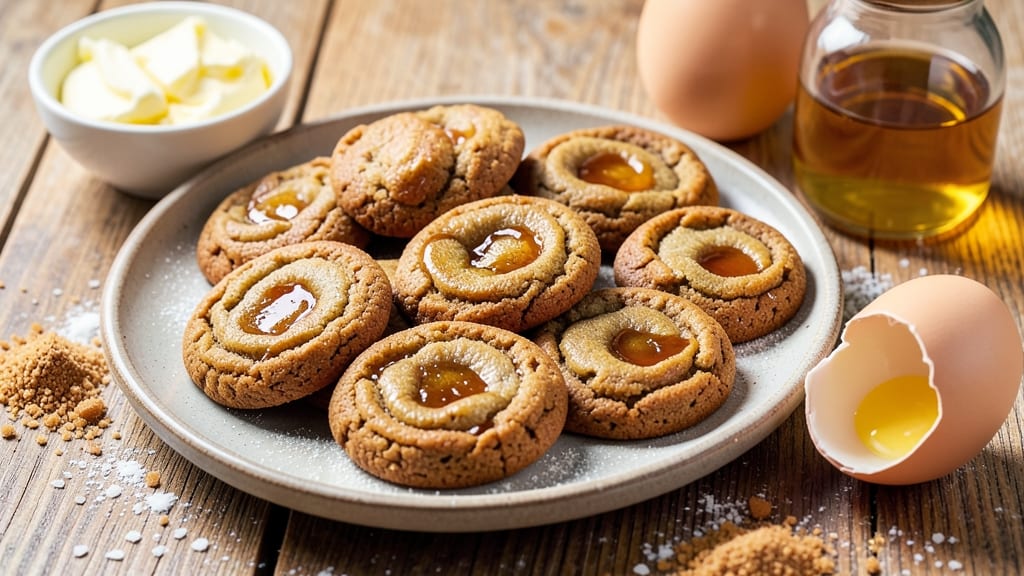
This chewy cookie base recipe delivers the perfect foundation for cookies that stay soft in the center with crisp edges—no matter what mix-ins you add. The secret lies in the right balance of brown sugar (for moisture) and butter (for richness), plus a touch of corn syrup to prevent spreading.
I’ve baked hundreds of batches, and this method never fails, whether you’re making classic chocolate chip or experimenting with nuts and dried fruit.
What sets this recipe apart is its foolproof technique: creaming butter and sugars until light, then folding in eggs and dry ingredients just until combined. Overmixing is the enemy of chewiness, so we keep it simple.
The dough rests for 30 minutes (critical for flavor development), and baking at 375°F ensures even cooking without burning.
By the time you pull them from the oven, you’ll have cookies with a golden, crackly crust and a soft, pillowy interior that holds its shape. The recipe yields about 12 cookies per batch, but doubling the dough is easy—just adjust baking time slightly.
Variations like vegan butter or gluten-free flour work seamlessly, too.
Ready to master the chewy cookie? This base adapts to any mix-in, and the results will impress even the pickiest cookie lovers. Let’s get started.
Ingredients for chewy cookie base
Twelve ingredients, endless possibilities—this chewy cookie base delivers perfect texture every time.
| Ingredient | Amount | Notes |
|---|---|---|
| Unsalted Butter 🧈 | 1 cup | Cold, cubed for creaming |
| Light Brown Sugar 🍚 | 1 cup | Packed firmly, no substitutions |
| Granulated Sugar 🍚 | ½ cup | White sugar for balance |
| Large Eggs 🥚 | 2 whole | Room temperature preferred |
| Corn Syrup 🍯 | ½ cup | Prevents spreading, don't skip |
| All-Purpose Flour 🌾 | 2 ½ cups | Sifted for light texture |
| Baking Soda 🧂 | ½ tsp | Pure baking soda, not baking powder |
| Salt 🧂 | ½ tsp | Fine sea salt preferred |
| Pure Vanilla Extract 🌿 | 2 tsp | High-quality for flavor |
| Vanilla Bean Seeds 🌿 | 1 whole | Optional for depth of flavor |
| Chocolate Chips 🍫 | 1 ½ cups | Semi-sweet preferred (or mix-ins) |
| Heavy Cream 🥛 | ¼ cup | For extra richness (optional) |
The butter and sugars are non-negotiable here. Plugrá or Land O'Lakes unsalted butter (the kind that stays cold in summer) gives the best flavor, but any good-quality brand works. Brown sugar should be packed firmly—no scooping and leveling, which compresses it. The corn syrup might seem odd, but it’s what keeps these cookies chewy without spreading. Great Value brand is a budget-friendly option, and it works just as well as name brands. For vanilla, McCormick or Nielsen-Massey are reliable, but if you’re feeling fancy, scrape seeds from a high-quality vanilla bean into the dough.
No corn syrup? Honey or maple syrup at half the amount works in a pinch, but the texture won’t be identical. Short on chocolate chips? White chocolate, nuts, or dried fruit all play nicely—just adjust baking time if they’re dense. The heavy cream is optional but adds a luxurious richness. If you skip it, the dough will still hold its shape, but the cookies will be slightly less tender. For gluten-free baking, swap the flour for a 1:1 gluten-free blend like Bob’s Red Mill, but expect a slightly denser texture.
This dough keeps for 3 days in the fridge, wrapped tightly in plastic. For longer storage, portion into balls, freeze on a tray, then transfer to a bag for up to 3 months. Baked cookies stay fresh for 5 days in an airtight container, or freeze for 2 months for maximum freshness. Double the batch? Just increase baking time by 2-3 minutes to account for the extra dough. The secret to perfect chewiness is patience—let the dough rest, and don’t rush the baking.
Why You'll Love This Recipe
- Here’s what sold me: the corn syrup keeps them soft forever, while the brown sugar’s molasses notes make every bite taste like a hug. (Yes, even on a Tuesday night.) It’s that perfect balance—crisp edges, gooey inside—no fancy techniques needed.
- Five-Ingredient Magic: I swear by this lineup—just butter, sugars, eggs, and corn syrup. That’s it. No weird substitutions or last-minute grocery runs. The brown sugar’s caramel depth and corn syrup’s chewiness do all the heavy lifting while I handle the rest in one bowl.
- Chewy Science: Here’s what sold me: the corn syrup keeps them soft forever, while the brown sugar’s molasses notes make every bite taste like a hug. (Yes, even on a Tuesday night.) It’s that perfect balance—crisp edges, gooey inside—no fancy techniques needed.
- Bulk Baking: I make a double batch and freeze half. Thawed cookies taste just as fresh, and they’re my go-to for holiday gifts or last-minute dessert emergencies. The dough’s sturdy enough to mix in chocolate chips, nuts, or even dried fruit—no structural meltdowns.
Step-by-step instructions for chewy cookie base recipe
This method delivers consistently chewy, rich cookies with crisp edges every time.
Cream Butter and Sugars to Perfect Lightness
In a stand mixer fitted with the paddle attachment, combine the 1 cup unsalted butter (cold, cubed) with the 1 cup light brown sugar and 0.5 cup granulated sugar. Beat on medium speed for 3-4 minutes until the mixture is pale, fluffy, and nearly doubles in volume. You're incorporating air here, which creates those signature crackly tops and prevents dense cookies.
The butter should look like whipped cream at this stage—no streaks of white fat should remain. This is your foundation for chewy texture. If your mixer struggles, switch to a hand mixer but increase mixing time to 5 minutes. The corn syrup will help later, but proper creaming is non-negotiable for texture.
Incorporate Eggs, Vanilla, and Corn Syrup
Add the 2 whole large eggs one at a time, mixing on low speed for 30 seconds after each addition until fully combined. The mixture may look slightly curdled, but that's normal. Next, add the 2 teaspoons pure vanilla extract and scrape the seeds from the 1 whole vanilla bean directly into the bowl. Mix for 10 seconds to distribute.
Finally, pour in the 0.5 cup corn syrup and mix for another 30 seconds. The corn syrup is crucial—it prevents excessive spreading while maintaining chewiness. Here's where it gets fun: the dough should be thick but still pourable. If it's too stiff, you've overmixed earlier. If it's too loose, add 1 tablespoon all-purpose flour at this stage.
Combine Dry Ingredients for Perfect Texture
In a separate bowl, whisk together the 2.5 cups all-purpose flour, 0.5 teaspoon baking soda, and 0.5 teaspoon salt. Sift the flour mixture directly into the wet ingredients while the mixer runs on low speed. Mix for 30-45 seconds until just combined—you should still see small flour streaks. Overmixing develops gluten, which leads to tough cookies.
Remove the bowl from the mixer and gently fold in the 1.5 cups chocolate chips and 0.25 cup heavy cream using a silicone spatula. The heavy cream adds luxurious richness, but don't skip it if you prefer classic texture. Here's the thing—fold just until the chocolate chips are evenly distributed. The dough should hold its shape when pressed but still be soft and slightly sticky.
Chill the Dough for Ideal Texture
Cover the bowl with plastic wrap and refrigerate for at least 30 minutes (I prefer 1-2 hours for best results). This chilling step is critical—it firms up the butter, prevents excessive spreading, and allows the flour to fully hydrate. The dough should be cold but still pliable when you remove it from the fridge.
Cold dough also means the cookies hold their shape better during baking, resulting in thicker centers with those coveted crispy edges. Pro tip: if you're in a hurry, you can chill the dough for 20 minutes in the freezer instead, but don't skip this step entirely. The texture difference is noticeable.
Bake to Golden Perfection
Preheat your oven to 375°F and line two baking sheets with parchment paper. Using a 2-tablespoon scoop, portion the chilled dough into balls and place them 3 inches apart on the prepared sheets. The dough will be soft, so handle it gently to maintain shape.
Bake for 10-12 minutes until the edges are golden brown but the centers still look slightly underdone. They'll continue cooking on the hot pan after removal. The cookies should pull away from the parchment paper slightly at the edges but remain soft in the middle. Let them cool on the baking sheet for 5 minutes before transferring to a wire rack—this prevents them from spreading further.
Pro Tips For Making Chewy Cookie Base
- CREAM THE BUTTER WELL: Don’t just mix it until it looks mostly combined—work that butter and sugars until the mixture is uniform, pale, and thick enough to leave a trail when you drag a spoon through it. I used to rush this, and my cookies always ended up dense instead of chewy. Take the extra 30 seconds; it’s worth it.
- USE COLD EGGS: Pull your eggs straight from the fridge and let them sit for 10 minutes before cracking them into the dough. Cold eggs mix better and won’t over-emulsify the butter, which keeps the texture tender and chewy instead of gummy. (Yes, even if you’re impatient like me.)
- MEASURE BROWN SUGAR RIGHT: Pack that light brown sugar into the measuring cup—don’t scoop and level. The moisture in molasses makes it deceptive, and skipping this step means your cookies will spread too much and lose that deep, caramelized chew. A quick tap on the counter ensures consistency.
- BAKE UNTIL EDGES ARE SET: Pull them out when the edges are golden but the centers still look slightly underdone—they’ll firm up as they cool. Overbaking turns chewy cookies into dry bricks, and underbaking leaves them too soft. A toothpick with a few moist crumbs? Perfect. A wet one? Too soon.
Regional styles of this dish
Classic American Style
This cookie base thrives in the classic American tradition, where chewy cookies are a staple at bake sales and holiday gatherings. The brown sugar and corn syrup combo creates that signature soft center, while the 375°F bake delivers crisp edges.
I remember my grandmother always used Land O'Lakes butter and insisted on chilling the dough—she swore it made the difference between good and "perfect." The vanilla bean seeds add that extra depth that sets these apart from store-bought versions. 🍪
Southern Comfort Twist
In the South, chewy cookies often get a richer, more decadent treatment. Swap the chocolate chips for pecans or candied pecans and add ½ cup sour cream to the dough for extra tenderness. The Southern touch?
A sprinkle of flaky sea salt on top before baking—it balances the sweetness perfectly. These cookies pair beautifully with sweet tea, making them a perfect dessert after a big meal. 🥛
West Coast Variations
Out west, especially in California, cookie dough often incorporates unexpected ingredients. Try adding ½ cup crushed freeze-dried raspberries or white chocolate chunks with orange zest for a fruity twist. The 375°F bake works perfectly, but watch closely—fruit can burn faster.
I love this version with a sprinkle of crushed graham crackers on top for added texture. It’s a great way to use up summer fruit while keeping that signature chew. 🍓
European-Inspired Adaptations
For a more refined touch, channel European baking techniques. Replace ½ cup of the all-purpose flour with almond flour for a nutty depth, or add 1 teaspoon espresso powder to enhance the chocolate flavor. In Italy, you might see a pinch of cardamom added for warmth.
The key is still the chilling step—European bakers swear by it for even baking. These cookies hold their shape beautifully and have a sophisticated finish. 🌍
Gluten-Free Adaptations
For gluten-free baking, swap the all-purpose flour for a 1:1 gluten-free blend like Bob’s Red Mill. The texture will be slightly denser, but the chewiness remains. Add 1 extra tablespoon of corn syrup to compensate for the lack of gluten structure.
I’ve found that xanthan gum (½ teaspoon) helps bind the dough better. These cookies still bake at 375°F, but they may need an extra 1-2 minutes in the oven. 🌱
Vegan-Friendly Swaps
To make this base vegan, replace the butter with 1 cup vegan butter or coconut oil, and use flax eggs (2 tablespoons ground flaxseed + 6 tablespoons water per egg). The corn syrup can stay, but add 1 extra tablespoon of maple syrup for moisture.
For richness, stir in ¼ cup coconut cream instead of heavy cream. The texture stays chewy, and the flavor is surprisingly close to the original. 🌿
Nutrition facts
Frequently asked questions
Why does corn syrup make these cookies chewy instead of crisp?
The corn syrup acts as a moisture retainer and prevents excessive spreading by keeping the sugar molecules from caramelizing too quickly. This creates that signature soft center while the edges still crisp up. Without it, you’d get flat, cakey cookies instead of the perfect chewy texture. Think of it as the secret ingredient that balances the butter and sugar!
Can I use honey or maple syrup instead of corn syrup?
Yes, but expect slight texture differences! Replace the corn syrup with ½ cup honey or maple syrup, but add 1 extra tablespoon of flour to compensate for the extra moisture. The cookies will still be chewy, though they may spread slightly more. For the classic texture, stick with corn syrup—it’s the gold standard for this recipe.
What’s the best way to store leftover dough?
Wrap the dough tightly in plastic wrap and refrigerate for up to 3 days, or freeze it for 3 months. For freezing, portion into balls first, then store in a sealed bag. Thaw in the fridge overnight before baking. Pro tip: If the dough feels too soft after chilling, pop it in the freezer for 10 minutes to firm up before scooping.
Why did my cookies turn out flat and crispy instead of chewy?
Flat cookies usually mean one of two things: overbaking or skipping the chilling step. Always bake until edges are golden but centers look slightly underdone (10-12 minutes at 375°F). Also, ensure you chilled the dough for at least 30 minutes—this prevents spreading. If your oven runs hot, lower the temp to 350°F next time.
Can I double this recipe without adjusting anything?
You can double the ingredients, but increase baking time by 2-3 minutes to account for the extra dough. Use two baking sheets and rotate them halfway through for even browning. The key is spacing—keep cookies 3 inches apart to prevent crowding. For triple batches, bake in 375°F increments with 5-minute rests between batches.