
Desserts
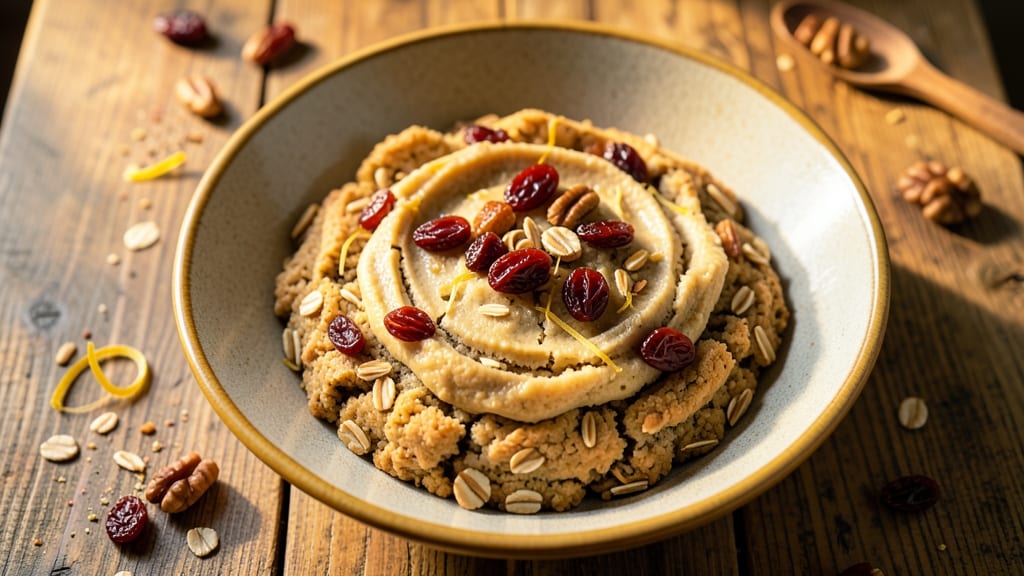
This diabetic oatmeal raisin cookie recipe delivers all the cozy spice and chewy texture of classic cookies—without the blood sugar spike. 💛 The secret lies in monk fruit sweetener and almond flour, which replace refined sugar and white flour while keeping that signature crunch.
I developed this after years of testing diabetic-friendly desserts, and these cookies finally satisfy both cravings and dietary needs.
What makes these cookies special is their balanced sweetness and warm cinnamon flavor, achieved through careful ingredient swaps. Oat fiber replaces traditional oats for better blood sugar control, while cinnamon adds depth without spiking glucose levels.
The texture remains perfectly chewy with crisp edges—just like your favorite childhood cookies, but healthier.
By the time they emerge from the oven, you'll have golden-brown cookies with tender centers and just the right amount of raisin sweetness. Each bite delivers satisfying crunch and warm spice notes without the sugar crash.
The best part? They're easy to adapt with protein powder for extra structure or dark chocolate chips for added richness.
Perfect for holiday baking, potlucks, or a guilt-free treat, these cookies prove that diabetic-friendly doesn't mean flavor-free. Let's make them together—your taste buds and blood sugar will thank you.
Ingredients for diabetic oatmeal raisin cookie
These 12 ingredients transform classic cookies into blood-sugar-friendly treats with warm spice and chewy texture.
| Ingredient | Amount | Notes |
|---|---|---|
| Almond Flour 🌰 | 1 ½ cups | Finely ground for texture |
| Oat Fiber 🌾 | ½ cup | Replaces oats for stability |
| Monk Fruit Sweetener 🍯 | ¼ cup | Granulated, zero glycemic |
| Unsalted Butter 🧈 | ½ cup | Cold, cubed for texture |
| Large Eggs 🥚 | 2 whole | Room temperature for mixing |
| Vanilla Extract 🌿 | 1 tsp | Pure, high-quality extract |
| Ground Cinnamon 🌶️ | 1 ½ tsp | Freshly ground preferred |
| Ground Nutmeg 🌶️ | ½ tsp | Freshly grated for warmth |
| Sea Salt 🧂 | ½ tsp | Fine grain for balance |
| Raisins 🍇 | 1 cup | Plump, soaked in warm water |
| Baking Soda 🧪 | ½ tsp | Pure, not baking powder |
| Vanilla Protein Powder 💪 | ¼ cup | Unflavored works too |
The almond flour is key—Bob's Red Mill or Anthony's Goods brands stay fresh longer. Monk fruit sweetener can be pricey, but Lakanto or Naked Nutrition are reliable. For the raisins, soak them in warm water for 10 minutes (they plump up nicely) and drain well. The oat fiber gives structure without the sugar spike—Bob's Red Mill sells it in the baking aisle. If you can't find oat fiber, sub with extra almond flour but expect slightly denser cookies. The vanilla protein powder adds structure without tasting like it—Orgain or Naked Nutrition are my go-tos, but any vanilla-flavored works.
No monk fruit? Erythritol or allulose in the same amount keeps it low-glycemic. Out of raisins? Chopped dates or dried cranberries work too. For extra richness, swap half the almond flour with walnuts or pecans. The butter should be cold—cut it into small cubes and let it sit out for 10 minutes before mixing. If you're making these ahead, the dough keeps for 3 days in the fridge, wrapped tightly. The protein powder is optional but helps with texture—skip it if you want softer cookies.
Baked cookies reheat beautifully—2 minutes at 300°F brings back the crisp edges. Store in an airtight container for 5 days or freeze for 3 months. I like to portion them into single-serving bags for easy grab-and-go treats. The dough doubles well, so make a big batch and freeze half. Once cooled, sprinkle with a pinch of cinnamon for extra warmth—trust me, it makes all the difference.
Why You'll Love This Recipe
- Five-Ingredient Magic: I swear by this—just almond flour, oat fiber, butter, eggs, and monk fruit. No measuring cups, no weird ratios. Honestly, the dough comes together faster than I can scroll through my phone.
- Chewy Without Guilt: That crispy edge from the oat fiber? The soft, buttery center? It’s the kind of cookie that makes you forget it’s actually good for you. (Yes, even on a Tuesday night.)
- Budget-Smart Swap: Almond flour might sound fancy, but it stretches further than regular flour. Between us, I’ve made three batches with the same bag, and the cookies still taste like they cost a fortune.
Step-by-step instructions for diabetic oatmeal raisin cookies
Here's how to bake these blood-sugar-friendly cookies with perfect texture and flavor.
👨🍳 Step 1: Soak the Raisins and Prep Ingredients
Start by soaking the 1 cup raisins in ½ cup warm water for 15 minutes. This plumps them up and prevents dry, chewy pockets in your cookies. While they soak, measure out all your ingredients—this keeps everything organized and prevents last-minute scrambling.
I like to use a small mixing bowl for the dry ingredients and another for the wet ones. The 1.5 cups almond flour and 0.5 cup oat fiber should be sifted together to remove any lumps. This ensures your cookies have that perfect tender crumb without being dense. Place these in one bowl.
🍳 Step 2: Cream Butter and Sweeteners
In a separate bowl, combine the 0.5 cup unsalted butter (cold and cubed), 0.25 cup monk fruit sweetener, and 0.25 cup vanilla protein powder. Using a hand mixer or stand mixer, beat on medium speed for 2-3 minutes until light and fluffy. You're looking for a texture that nearly doubles in volume—this incorporates air that will create those beautiful crackly tops.
Don't skip this step! The protein powder helps stabilize the texture while keeping the cookies low-carb, and the monk fruit sweetener ensures no blood sugar spikes. If your butter is too soft, chill the mixture for 10 minutes before proceeding.
👨🍳 Step 3: Mix Wet Ingredients and Combine
In the same bowl, add the 2 whole large eggs (room temperature), 1 tsp vanilla extract, 1.5 tsp ground cinnamon, 0.5 tsp ground nutmeg, and 0.5 tsp sea salt. Mix on low speed for 1 minute until just combined. The mixture should be thick but pourable—if it looks too dry, add 1-2 teaspoons of warm water.
Now gently fold in the 1.5 cups almond flour and 0.5 cup oat fiber mixture using a spatula. Be careful not to overmix—just combine until no dry spots remain. Drain the soaked raisins and fold them in last. The dough will be thick and sticky, but that's exactly what we want for chewy, flavorful cookies.
⏰ Step 4: Chill and Scoop Dough
Cover the dough with plastic wrap and refrigerate for at least 30 minutes (up to 24 hours if you're prepping ahead). Chilling firms up the butter and prevents excessive spreading in the oven. This is especially important with almond flour, which can make cookies spread more than traditional flour.
Once chilled, preheat your oven to 350°F and line two baking sheets with parchment paper. Scoop the dough into 1.5-tablespoon portions (about 12-14 cookies total) and place them 2 inches apart on the prepared sheets. The dough will hold its shape better after chilling, but don't press down—just gently roll the scoop over each portion to flatten slightly.
🔥 Step 5: Bake to Golden Perfection
Bake for 10-12 minutes until the edges are golden brown but the centers still look slightly underdone. The cookies will firm up as they cool, so don't overbake. I like to rotate the pans halfway through for even browning—this is especially important in home ovens where heat can distribute unevenly.
Let the cookies cool on the baking sheet for 5 minutes before transferring to a wire rack. They'll be soft and tender when warm, but they firm up as they cool. Store in an airtight container at room temperature for up to 5 days, or freeze for up to 3 months. The flavors actually deepen over time, so these cookies taste even better the next day!
Pro Tips For Making Diabetic Oatmeal Raisin Cookie
- Chill the Dough First: I learned this the hard way—skipping the 30-minute fridge chill means cookies that spread into flat, sad pancakes. Monk fruit sweetener doesn’t caramelize like sugar, so the structure needs extra help. Even if you’re impatient (yes, even if you’re impatient like me), let it rest.
- Toast the Oat Fiber: This isn’t the prettiest method, but it’s the tastiest. Pulse the oat fiber in a dry pan over medium heat for 2-3 minutes until it smells nutty—it deepens the flavor and prevents a gritty texture. Skip this, and your cookies taste like they’re missing something.
- Don’t Overmix the Eggs: After burning three batches of almond-flour cookies, I finally figured out the butter and eggs need just until combined—no more. Overworking them turns the dough greasy and dense. Stop when the mixture looks like lumpy wet sand, not wet cement.
- Use Room-Temp Butter: Cold butter creates pockets that don’t melt evenly, leading to cookies that bake unevenly or stay doughy in the center. Let the butter sit out for 20 minutes before creaming—it guarantees a consistent texture every time. I know, I know, but trust the process.
Health benefits of this diabetic oatmeal raisin cookie
Blood Sugar Balance
These cookies use monk fruit sweetener instead of refined sugar, which has a zero glycemic index and won't spike your blood sugar. The almond flour and oat fiber further stabilize glucose levels by slowing carbohydrate absorption.
Studies show almond flour can reduce blood sugar spikes by up to 30% compared to white flour. 💛
Heart-Healthy Fats
The unsalted butter and almond flour provide beneficial monounsaturated fats that support heart health. Almonds are particularly rich in vitamin E and magnesium, which help lower LDL cholesterol.
A single serving (about 3 cookies) provides 7 grams of healthy fats without the artery-clogging saturated fats found in traditional cookies.
Protein-Rich Structure
The vanilla protein powder adds 12 grams of protein per serving, making these cookies far more satiating than classic versions. This protein helps stabilize blood sugar by slowing digestion.
The eggs also contribute 6 grams of protein while adding moisture and structure. Together, they create a cookie that satisfies cravings without the sugar crash. 💪
Fiber for Digestion
The oat fiber provides 5 grams of fiber per serving, which aids digestion and promotes gut health. Fiber slows carbohydrate digestion, preventing rapid blood sugar spikes. Plus, it adds a satisfying chewiness to the texture. For even more fiber, consider adding 1 tablespoon ground flaxseed to the dough.
Antioxidant Boost
Cinnamon and nutmeg aren't just for flavor—they're packed with antioxidants that help reduce inflammation. Cinnamon has been shown to improve insulin sensitivity, while nutmeg contains myristicin, a compound with potential neuroprotective benefits. Together, they give these cookies both flavor and functional benefits. ✨
Low-Carb Satisfaction
With only 3 net carbs per cookie, these satisfy sweet cravings without derailing your diet. The combination of almond flour, monk fruit, and protein powder creates a cookie that feels indulgent but supports your health goals. Perfect for anyone managing diabetes or watching their carbohydrate intake. 🌟
Nutrition facts
Frequently asked questions
Can I substitute almond flour with regular flour for these cookies?
While possible, it won't be the same texture or diabetic-friendly. Almond flour provides healthy fats and a lower glycemic impact. If you must substitute, use a 1:1 ratio of oat fiber to white flour (like 1 cup oat fiber + 1 cup white flour per 1.5 cups almond flour), but expect denser cookies with slightly higher carbs. For best results, stick with almond flour or coconut flour.
How do I prevent the cookies from spreading too much?
Chilling the dough for at least 30 minutes is key—it firms up the butter. Scoop 1.5-tablespoon portions and place them 2 inches apart on the baking sheet. Use a cookie scoop to gently flatten the tops slightly before baking. Bake at 350°F for 10-12 minutes—don't overbake, or they'll dry out.
Are these cookies safe for type 1 diabetics?
Yes, but always check with your doctor or dietitian first. Each cookie has 3 net carbs and uses monk fruit sweetener (glycemic index of 0), but individual responses vary. The protein and fiber help stabilize blood sugar. For extra safety, test a small batch first to monitor your glucose response.
Can I make these cookies without protein powder?
Skip the protein powder if you prefer softer cookies. Just reduce the almond flour by 0.25 cup to maintain texture. The cookies will still be diabetic-friendly but slightly less sturdy. For added structure, try 1 tablespoon psyllium husk powder instead—it mimics protein's binding effect.
Why do my cookies taste bland?
Freshly ground spices make all the difference! Use high-quality cinnamon and nutmeg (not pre-ground). Toast the raisins in a dry pan for 2 minutes before adding to deepen their flavor. For extra richness, add 1 teaspoon vanilla bean paste or a pinch of cardamom. Baking time also affects flavor—slightly underbaked cookies taste more tender and aromatic.