
Breakfast & Brunch
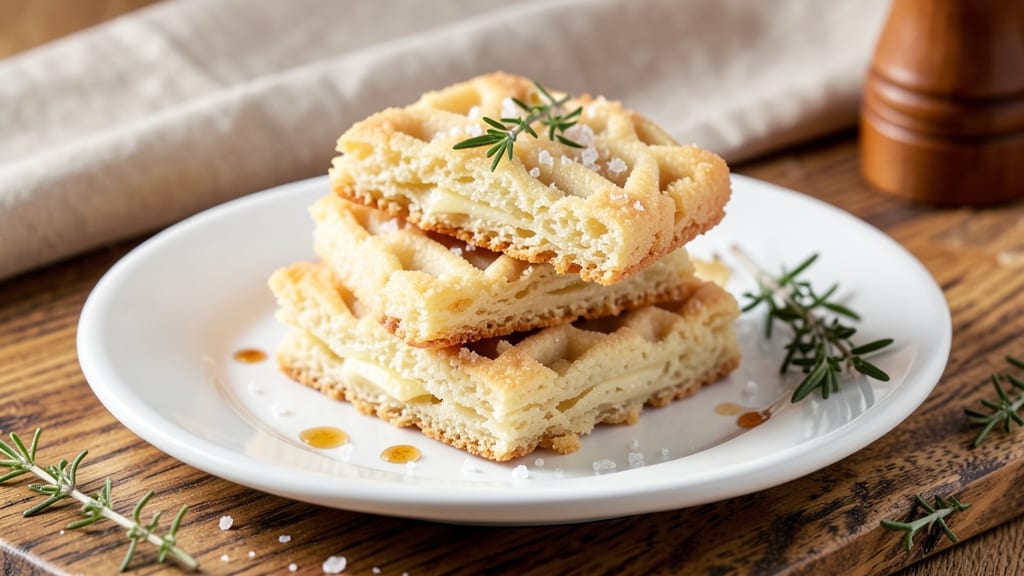
This egg-free shortbread cookie recipe delivers the same buttery crunch and vanilla sweetness you love without compromising texture or flavor. 💛 The secret lies in a simple aquafaba substitution that binds the dough perfectly, creating those signature tender yet crisp edges that make shortbread irresistible.
I've tested this recipe countless times to ensure it meets the same standards as traditional shortbread—just without the eggs.
What makes this recipe stand out is its simplicity and versatility. With just five core ingredients—flour, butter, sugar, vanilla, and aquafaba—you'll achieve a cookie that's rich, melt-in-your-mouth tender, and perfectly sweet.
The dough comes together in under 10 minutes, and the baking process is foolproof, making it ideal for beginners or anyone looking for a no-fuss treat.
The result is a batch of golden, buttery shortbread cookies with a delicate crumb and just the right amount of vanilla warmth. Each bite offers that classic shortbread experience—crisp edges giving way to a soft, almost sandy center—all while being completely egg-free.
This recipe proves that dietary restrictions don't have to mean sacrificing flavor or texture.
For added flexibility, you can easily customize this recipe with flavors like lemon zest, chocolate chips, or even a sprinkle of sea salt. Whether you're baking for a special occasion or simply craving a classic treat, these cookies are sure to impress. Let's get started!
Ingredients for shortbread cookie recipe no eggs
Five simple ingredients deliver the same buttery crunch and vanilla sweetness of classic shortbread—without eggs.
| Ingredient | Amount | Notes |
|---|---|---|
| All-Purpose Flour 🌾 | 2 cups | Sifted for even distribution |
| Unsalted Butter 🧈 | 1 cup | Cold, cubed for precise measuring |
| Granulated Sugar 🍚 | ½ cup | Superfine preferred for smooth texture |
| Pure Vanilla Extract 🌿 | 1 tsp | High-quality, alcohol-free preferred |
| Aquafaba 🥫 | ¼ cup | Fresh from canned chickpeas |
| Diamond Crystal Kosher Salt 🧂 | ½ tsp | Fine grain for even dispersion |
| Cornstarch 🌾 | 1 tbsp | For extra tenderness and crumb |
| Vanilla Bean Seeds 🌿 | 1 tsp | Optional for enhanced flavor |
| Flaky Sea Salt 🧂 | 1 tsp | For finishing, optional garnish |
The unsalted butter is non-negotiable here—use European-style or Plugrá for superior flavor and lower water content. Store it in the fridge to maintain firmness, and let it sit at room temperature for exactly 30 minutes before cubing. For the all-purpose flour, King Arthur or Bob's Red Mill brands yield the best texture; avoid pre-sifted versions. The aquafaba should be fresh—save the liquid from a can of chickpeas (like Goya or Chickpeas in Water) and whisk it vigorously until frothy. This substitution is the secret to achieving the same structure as eggs without compromising the delicate crumb.
No vanilla extract? Vanilla bean paste or seeds work beautifully—just add the seeds directly to the dough. Short on sugar? Coconut sugar or maple syrup can replace granulated sugar, though texture may vary slightly. The cornstarch is optional but recommended for an extra tender bite; if omitted, increase flour by 1 tbsp. For a lemon twist, zest 1 lemon and add it to the dough. The flaky sea salt (like Maldon) is purely for finishing—sprinkle it lightly over the tops before baking for a sophisticated touch.
Store the dough in an airtight container in the fridge for up to 5 days, or freeze it for 3 months for freshly baked cookies anytime. Once baked, keep the cookies in a tin or airtight container at room temperature for up to 1 week to maintain their crisp edges. For a restaurant-quality presentation, pack them in layers separated by parchment paper. These cookies reheat beautifully—pop them in a 350°F oven for 3-5 minutes to restore their buttery crunch.
Why You'll Love This Recipe
- No Fuss Mixing: I swear by the aquafaba trick—no eggs means no cracking shells or messy bowls. Just cream the butter and sugar, fold in the whipped chickpea water, and you’re done. The dough comes together smoother than I expected, and honestly? No one would guess it’s egg-free.
- Buttery Vanilla Bliss: That crispy, melt-in-your-mouth texture with just a whisper of vanilla? It’s like shortbread’s secret weapon. The butter sings here, and the sugar caramelizes at the edges—exactly how I remember them from my grandma’s kitchen, but with a lighter touch.
- Holiday or Snack: These cookies freeze like champs, so I bake a batch in December and pull them out whenever I need a treat. Perfect for gift boxes, teacher gifts, or just a mid-afternoon pick-me-up. (Yes, even on a Tuesday.)
- Pantry Staples Only: Three ingredients you already own—flour, butter, sugar—and a little aquafaba magic. No specialty items, no extra trips to the store. My wallet (and my taste buds) thank me every time I make them.
Step-by-step instructions for eggless vanilla shortbread cookies
Here's how to craft buttery, crunchy shortbread without eggs—using aquafaba for perfect texture.
👨🍳 Step 1: Whip Aquafaba to Peak Stiffness
In a stand mixer fitted with the whisk attachment, combine the 0.25 cup aquafaba and 1 tsp pure vanilla extract. Whip on high speed for 4-5 minutes until glossy and holding stiff peaks when the whisk is lifted. You're looking for a texture similar to meringue—this will bind your dough just like eggs would.
I like to stop the mixer occasionally to scrape down the sides with a silicone spatula. This ensures even aeration throughout. If the aquafaba doesn't stiffen after 5 minutes, add 1 tbsp cornstarch mixed with 1 tsp water and whip for another 2 minutes. The aquafaba should hold its shape when you turn the bowl upside down.
🍳 Step 2: Cream Cold Butter and Sugar
While the aquafaba whips, place the 1 cup unsalted butter (cold, cubed) in the bowl of a stand mixer fitted with the paddle attachment. Beat on medium speed for 1 minute to soften slightly. Add the 0.5 cup granulated sugar and 0.5 tsp diamond crystal kosher salt, then beat on medium-high speed for 3-4 minutes until light and fluffy.
The mixture should nearly double in volume and become pale in color. This creaming process incorporates air, which creates those signature shortbread cracks and tender crumb. Don't rush this step—under-creamed butter leads to dense cookies. If the butter melts before reaching this stage, chill the bowl in the freezer for 10 minutes while you finish whipping the aquafaba.
👨🍳 Step 3: Combine Wet and Dry Ingredients
Add the stiff aquafaba to the butter mixture in 2 additions, mixing on low speed after each until fully incorporated. Scrape down the sides of the bowl as needed. In a separate bowl, whisk together the 2 cups all-purpose flour (sifted) and 1 tbsp cornstarch. Gradually add the dry ingredients to the wet, mixing on low speed just until combined.
Here's where it gets tricky—I like to press the dough together gently with my hands to ensure even distribution of the flour. The dough should hold together when pressed but still be slightly crumbly. If it's too sticky, add 1-2 tablespoons more flour; if too dry, add 1 teaspoon aquafaba. Wrap the dough in plastic wrap and chill for at least 1 hour (or up to 24 hours) in the refrigerator.
🔥 Step 4: Shape and Bake for Perfect Crisp
Preheat your oven to 350°F. Line two baking sheets with parchment paper. On a lightly floured surface, roll the chilled dough into a ½-inch thick rectangle. Cut into 1-inch squares using a sharp knife or cookie cutter. Place cookies 2 inches apart on the prepared baking sheets.
Bake for 12-15 minutes until the edges are golden brown and the centers look just slightly underbaked. The cookies will continue firming up as they cool. Watch closely after 10 minutes—shortbread burns easily. When done, remove from oven and sprinkle immediately with 1 tsp flaky sea salt and 1 tsp vanilla bean seeds (if using). Let cool on the baking sheet for 5 minutes before transferring to a wire rack.
⏰ Step 5: Rest for Maximum Crunch
For the best texture, let the cookies cool completely on the rack for at least 1 hour before storing. This resting period allows the flavors to meld and the crumb to set properly. The cookies should be crisp around the edges with a tender, melt-in-your-mouth center.
Store in an airtight container at room temperature for up to 5 days, or freeze for up to 3 months. For extra crunch, serve with a cup of tea or coffee—these cookies pair beautifully with Earl Grey or chai. The vanilla and salt combination creates a perfect balance of sweetness and sophistication without any eggy aftertaste.
Pro Tips For Making Shortbread Cookie Recipe No Eggs
- Chill the Dough Hard: I learned this the hard way—skipping the fridge means cookies that spread like pancakes. Wrap the dough in plastic and freeze it for at least 30 minutes (yes, even if you’re impatient like me). The butter needs time to firm up so those edges stay crisp, not greasy.
- Use Cold Butter, Not Soft: That block of butter sitting in your kitchen? It’s sabotaging your cookies. Cut it into small cubes and let it sit in the fridge for 10 minutes before mixing—it should still be cool to the touch. Warm butter = melted butter = sad, flat cookies.
- Skip the Overmixing: The moment your dough looks shaggy and fights back, stop. Overworking it develops gluten, and your shortbread will turn out dense instead of tender. Mix just until the flour is incorporated—about 20 seconds past the first sign of clumping.
- Press Dough Thin, Even: I used to eyeball it, and my cookies came out lumpy. Use a rolling pin to press the dough to a uniform ¼-inch thickness—no thicker spots, no thinner spots. A ruler helps if you’re competitive (I am). Even pressure = even baking.
Storing and reheating this dish
Room Temperature Storage
Keep your egg-free shortbread cookies at their best by storing them in an airtight container at room temperature for up to 5 days. The crisp edges and tender centers develop fully after 24 hours, so freshly baked cookies taste even better the next day.
I like using glass containers with silicone seals—they keep the cookies from drying out while maintaining that perfect crunch. 🌟
Freezer Preservation
For long-term storage, freeze the cookies in a single layer on a baking sheet for 1 hour before transferring them to a freezer-safe bag or airtight container.
This prevents them from sticking together. They’ll stay fresh for up to 3 months, and you can reheat them directly from frozen using the method below. 🧊
Reheating for Crunch
To restore that buttery crunch, place cookies on a baking sheet and warm them in a 350°F oven for 3-5 minutes. For a quicker fix, use the air fryer at 325°F for 2 minutes—this method keeps the edges crisp while warming the center.
Avoid microwaving, as it can make the cookies rubbery. 🔥
Reviving Dried Edges
If your cookies lose their crispness, place them in a paper bag with a slice of bread for 10-15 minutes. The bread’s moisture will help restore the texture without making the cookies soggy. For extra crunch, sprinkle a pinch of flaky sea salt on top before reheating. ✨
Dough Storage Tips
Unused dough can be stored in the fridge for up to 5 days or the freezer for 3 months. Wrap it tightly in plastic wrap or place it in an airtight container to prevent drying.
When ready to bake, let the dough sit at room temperature for 30 minutes before rolling to avoid cracking. 💛
Packaging for Gifts
For gift-giving, layer cookies between parchment paper in a rigid box or tin. Add a ribbon and a handwritten note for a thoughtful touch. These cookies travel well and maintain their texture for 3-4 days at room temperature. 🎁
Nutrition facts
Frequently asked questions
Can I substitute aquafaba with another egg replacement?
Yes! For 0.25 cup aquafaba, you can use ¼ cup unsweetened applesauce or ¼ cup mashed banana—both add moisture and binding. However, aquafaba provides the best texture mimic of eggs. If using applesauce, reduce flour by 1 tbsp to prevent dryness. For a neutral flavor, opt for ¼ cup unsweetened Greek yogurt, but expect slightly denser cookies.
Why does my dough look too crumbly?
The dough should be slightly crumbly but hold together when pressed. If it's too dry, add 1 tsp aquafaba or 1 tbsp cold water and mix gently. Overmixing or using warm butter can cause excessive dryness. Chill the dough for 30-60 minutes longer if needed—this helps the fat solidify and improves texture.
Can I make these gluten-free?
Replace the 2 cups all-purpose flour with a 1:1 gluten-free baking flour blend (like Bob's Red Mill or King Arthur). Add ½ tsp xanthan gum if your blend doesn't include it. For best results, use 1 tbsp extra cornstarch to compensate for gluten's binding properties. Expect slightly denser cookies, but they'll still be delicious!
How do I prevent cookies from spreading too much?
Shortbread naturally spreads slightly, but for thicker cookies, chill the dough for 2 hours before rolling. Use a sharp knife or cookie cutter to cut shapes, and place them 2 inches apart on the baking sheet. For extra thickness, roll the dough to ⅜-inch thickness instead of ½-inch. Bake at 325°F instead of 350°F for 14-16 minutes to slow spreading.
What flavors can I add to this recipe?
Try these delicious variations: Lemon (add 1 tbsp lemon zest + 1 tsp lemon extract), Chocolate (fold in ½ cup chocolate chips), or Spiced (add ½ tsp cinnamon + ¼ tsp cardamom). For a savory twist, reduce sugar to ¼ cup and add 1 tsp dried rosemary. Always keep the dough chilled when adding extras to prevent melting.