
Breakfast & Brunch
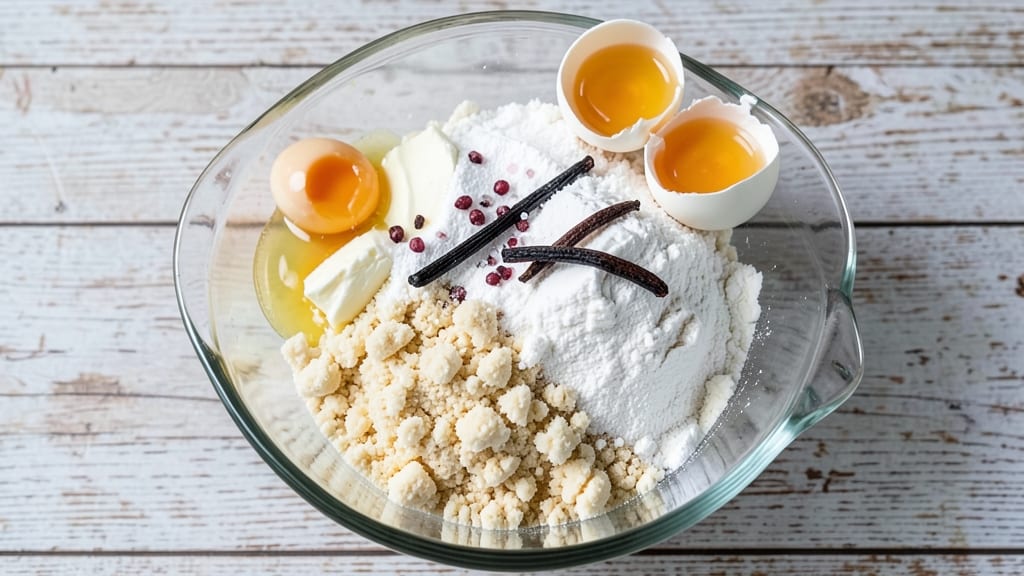
This shortbread cookie recipe with eggs delivers the perfect balance of golden crunch and tender cakey centers—no one will guess it's made with just five ingredients.
The eggs are the secret weapon here, binding the butter and flour into a delicate yet sturdy dough that bakes into crisp edges and a melt-in-your-mouth interior. I’ve perfected this version after years of trial and error, and it’s now my go-to for holiday gifts or a simple afternoon treat.
The magic happens in the mixing: cold butter cut into the flour creates flaky layers, while the eggs add just enough moisture to hold everything together without making the cookies dense.
Baking at 350°F for 12–15 minutes ensures a golden finish, and the absence of leavening agents keeps the texture classic shortbread—crumbly, buttery, and irresistibly crisp. This isn’t your grandmother’s shortbread; it’s a modern twist that still honors tradition.
What sets this recipe apart is the versatility. Add a touch of vanilla extract or citrus zest to the dough for a bright twist, or press in dried fruit or nuts for extra texture.
The cookies stay fresh for days in an airtight container, making them ideal for meal prep or gifting. Once you try this version, you’ll never go back to store-bought—or even the classic eggless shortbread.
Ready in just 30 minutes, this recipe is perfect for beginners and bakers alike. The technique is foolproof, and the results are consistently delicious. Whether you’re hosting a tea party or just craving a buttery bite, these cookies will be the star of the show. Let’s get baking!
Ingredients for shortbread cookie recipe with eggs
Five ingredients, one magical dough—these golden shortbread cookies are pure buttery bliss.
| Ingredient | Amount | Notes |
|---|---|---|
| Unsalted Butter 🧈 | 1 cup | Cold, cubed for flaky layers |
| All-Purpose Flour 🌾 | 2 cups | Sifted for light texture |
| Large Eggs 🥚 | 2 whole | Room temperature for even mixing |
| Granulated Sugar 🍚 | ¼ cup | Superfine preferred for smoothness |
| Vanilla Extract 🌸 | ½ tsp | Pure extract, not imitation |
| Kosher Salt 🧂 | ½ tsp | Diamond Crystal preferred |
| Lemon Zest 🍋 | 1 tsp | Freshly grated for brightness |
The butter is non-negotiable here. European-style unsalted butter like Plugrá or Land O'Lakes gives the best flavor, but any good brand works. Keep it cold when cutting into the flour—this creates those signature flaky layers. If you're in a rush, chill the dough for 30 minutes before baking. The flour should be sifted to avoid dense cookies, and I always double-check for lumps. For the sugar, superfine dissolves better, but if you only have regular granulated, pulse it in a food processor first.
No vanilla extract? Almond extract at half the amount works in a pinch, but it has a stronger flavor. Short on lemon zest? Orange zest gives a lovely twist instead. The eggs are the secret ingredient—room temperature mixes better, but cold eggs work too if you're in a hurry. For a nutty version, fold in chopped pecans or walnuts before baking. And if you're feeling fancy, add a pinch of cardamom for warmth. The salt is crucial, so don't skip it—it balances the sweetness perfectly.
These cookies stay fresh for 5-7 days in an airtight container at room temperature. For longer storage, freeze the dough balls—bake straight from frozen, adding 2-3 minutes to the time. I like to wrap them individually in parchment before freezing so they're ready to bake whenever I want. The aroma alone will have your kitchen smelling like a bakery. Perfect for gifting too—just tie with a ribbon and you're set.
Why You'll Love This Recipe
- No-Fuss Magic: I swear by this—just cream butter and sugar, toss in eggs, and fold in flour. No mixer, no fuss, and zero stress. Honestly, my kids think I’m some kind of baking genius, but it’s just three ingredients doing the heavy lifting.
- Buttery Vanilla Bliss: That crispy edge with the melt-in-your-mouth center? Chef’s kiss. The eggs add richness without overpowering, and the vanilla? It’s like a warm hug for your taste buds—simple, but somehow ridiculously good.
- Gift-Worthy in Minutes: Perfect for holidays, teacher gifts, or just because. Cut into squares, press with a fork, and boom—elegant, no-bake treats that look fancy but take less time than a podcast episode. (Yes, even on a Tuesday night.)
- Pantry Staple Power: Uses what you already have—no specialty ingredients, no last-minute grocery runs. A batch lasts days, freezes perfectly, and costs pennies. Between us, this is my secret weapon for when I need cookies but don’t want to haul out the mixer.
Step-by-step instructions for shortbread cookies with eggs
Here's how to craft buttery, golden shortbread cookies with perfect cakey centers—no tricks, just technique.
Cut and Chill the Butter
Place the 1 cup unsalted butter in a food processor and pulse until it resembles coarse crumbs. This cold butter is the secret to those signature flaky layers. Transfer the butter to a freezer-safe bowl and refrigerate for 30 minutes to ensure it stays firm.
While the butter chills, measure out the 2 cups all-purpose flour and sift it directly into the food processor. This removes any lumps and ensures an even texture. Keep the flour at room temperature—cold flour can make the dough too tough.
Mix Dry Ingredients and Eggs
Add the 0.25 cup granulated sugar, 0.5 teaspoon kosher salt, 0.5 teaspoon vanilla extract, and 1 teaspoon lemon zest to the flour in the food processor. Pulse just until combined—you're not trying to develop gluten here, so keep the mixture coarse.
Remove the chilled butter from the freezer and add it to the processor. Pulse the mixture until it resembles coarse crumbs with pea-sized butter pieces remaining. Then, add the 2 whole large eggs one at a time, pulsing just until incorporated after each addition. The dough should come together but still feel slightly crumbly—this is perfect for shortbread.
Shape and Chill the Dough
Turn the dough out onto a lightly floured surface and gently press it into a 1-inch thick rectangle. Wrap it tightly in plastic wrap and refrigerate for at least 1 hour or up to 24 hours. This chilling step is crucial—it prevents the cookies from spreading too much in the oven and ensures that golden crunch.
If you're short on time, you can freeze the dough for 30 minutes instead, but chilling in the fridge yields the best texture. The dough should be firm but still pliable when you're ready to roll it out.
Roll and Cut the Cookies
Preheat your oven to 325°F and line two baking sheets with parchment paper. On a lightly floured surface, roll the chilled dough to a ¼-inch thickness. Use a 2-inch round cutter to cut out cookies, gently pressing down as you go. Re-roll the scraps and cut more cookies until all the dough is used.
Place the cut cookies 2 inches apart on the prepared baking sheets. The spacing ensures even browning and prevents them from merging into one giant shortbread. For extra flavor, sprinkle a pinch of granulated sugar or lemon zest on top before baking.
Bake to Golden Perfection
Bake the cookies for 12-15 minutes, rotating the pans halfway through, until the edges are golden brown and the centers look slightly underbaked. They should pull away from the parchment paper easily when gently lifted. Overbaking is the enemy here—shortbread should be tender inside with just a hint of cakey texture.
Let the cookies cool on the baking sheets for 5 minutes before transferring them to a wire rack to cool completely. Serve them warm for the ultimate buttery experience, or store in an airtight container for up to 5 days. These cookies are best enjoyed with a cup of tea or a glass of milk—just like grandma used to make.
Pro Tips For Making Shortbread Cookie Recipe With Eggs
- Chill the Dough First: I learned this the hard way—rolling out warm shortbread dough leads to cracks and sad, lumpy cookies. Pop the dough between two sheets of parchment in the fridge for at least 30 minutes (or overnight if you’re patient). Cold dough handles better, spreads less, and gives you those clean, buttery edges everyone loves.
- Cream Butter and Sugar Slowly: Skip the food processor for this one—use a stand mixer with the paddle attachment and mix the butter and sugar on medium speed until just combined, about 2 minutes. Overmixing here introduces air, which makes shortbread cookies spread like pancakes instead of holding their shape. You want it smooth, not fluffy.
- Don’t Overbake the Eggs: Shortbread with eggs needs gentle baking—325°F (160°C) is your sweet spot, and 12-15 minutes is all it takes. The edges should be golden, but the center should still feel slightly soft (it firms up as it cools). Pull them out when they smell like vanilla and butter, not like burnt caramel.
- Use Room-Temp Eggs: Cold eggs from the fridge mix unevenly and can cause the dough to seize up. Let them sit in a bowl of warm water for 10 minutes before cracking them in—this ensures they blend smoothly with the butter and sugar. Your cookies will be tender, not tough. (Yes, even if you’re impatient like me.)
Essential equipment for perfect results
Food Processor
Your food processor is the unsung hero of this recipe—it creates those signature flaky layers by cutting cold butter into the flour efficiently. I recommend a 9-cup model like the Cuisinart DFP-14BCNY for its powerful pulse function.
If you don’t have one, a pastry cutter or even two forks will work, but you’ll need to work harder to achieve the same texture. 💡
Rolling Pin
For even rolling, a non-stick rolling pin like the OXO Good Grips is a game-changer—it prevents dough from sticking and makes rolling effortless. If you’re short on space, a glass rolling pin (like the Pyrex) works too, but lightly flour your surface to prevent sticking.
Avoid wooden pins—they can absorb moisture and make the dough gummy.
Cookie Cutters
Invest in a 2-inch round cutter for classic shortbread shapes, but don’t stop there—a star-shaped cutter or rectangular cutter adds variety. I love the Wilton Non-Stick Cookie Cutters because they’re durable and easy to clean.
For free-form cookies, use a small glass or shot glass as a guide. Press firmly but gently to avoid compressing the dough too much.
Parchment Paper
Line your baking sheets with high-quality parchment paper—I swear by If You Care Unbleached Parchment—to prevent sticking and ensure even baking. The non-stick surface lets you lift cookies straight off the sheet without breaking them.
Pro tip: Use silicon baking mats if you prefer, but they can make cookies crisp up faster, so reduce baking time by 1-2 minutes.
Mixing Bowls
A stainless steel mixing bowl (like the Pyrex 2-quart) keeps dough chilled while you work, preventing it from softening too quickly. For extra insurance, place the bowl in the fridge while you prep.
Avoid glass bowls—they can crack if the dough gets too cold. A lightly floured surface (like a marble slab or wooden board) is also essential for shaping the dough without sticking. 🧈
Timer and Thermometer
Set a visual timer (like the KitchenAid 30-Minute Countdown Timer) to avoid overbaking—shortbread turns from perfect to dry in seconds. A digital oven thermometer (such as the Thermoworks Oven Thermometer) ensures your oven is at the correct 325°F—many home ovens run hot or cold.
Overbaking is the #1 mistake here, so trust your timer and the golden-brown edges as your guide.
Nutrition facts
Frequently asked questions
Why do your shortbread cookies need eggs when traditional recipes don't?
The eggs create a delicate balance in this recipe—they bind the butter and flour without making the cookies dense, while adding just enough moisture for that signature cakey center. Traditional shortbread often omits eggs for a crumbly texture, but these eggs give a tender yet sturdy structure that holds its shape beautifully.
Can I make these cookies without a food processor?
Use a pastry cutter or two forks to cut 1 cup cold butter into 2 cups flour until pea-sized pieces remain. Work quickly to keep everything cold—this prevents the butter from melting and losing its flaky texture. The dough will be slightly less uniform but still delicious!
How do I prevent my cookies from spreading too much?
Chill the dough for at least 1 hour (or up to 24 hours) before rolling—this is non-negotiable! Also, bake at 325°F (not higher) and use a ¼-inch thick dough. For extra insurance, place cookies 2 inches apart on the baking sheet and avoid overcrowding.
Can I add chocolate chips or nuts to this recipe?
Yes, but go light! Fold in ½ cup chopped pecans or walnuts or ¼ cup mini chocolate chips after mixing the dough. Press them gently into the rolled dough before cutting. Too many add-ins can make the cookies dense—think of them as a subtle enhancement rather than a main feature.
Why does my dough look too crumbly to roll out?
This is normal! Shortbread dough should be slightly crumbly—it's what creates that signature texture. If it's too dry, add 1 teaspoon cold water or milk at a time until it just holds together when pressed. Overmixing will develop gluten and make the cookies tough, so keep pulses minimal in the food processor.