
Breakfast & Brunch
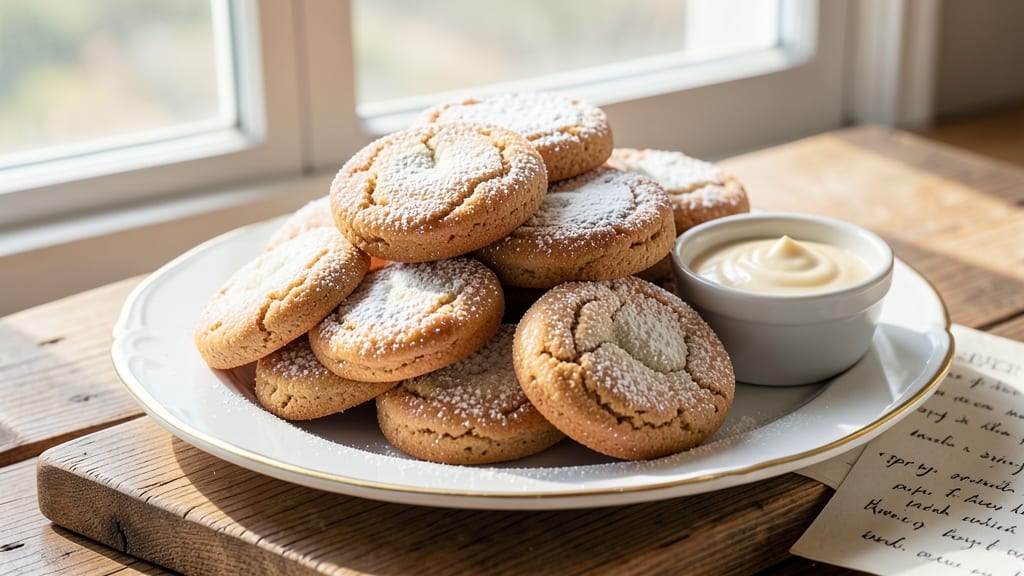
This soft sugar cookie recipe no eggs delivers the same pillowy, melt-in-your-mouth texture without compromising structure or flavor. The secret lies in a simple yet effective egg substitute—applesauce—that keeps the cookies tender and chewy while maintaining that classic sugar cookie taste.
After years of perfecting egg-free baking, this recipe has become my go-to for gatherings, holidays, or just satisfying a sweet tooth without the guilt of extra eggs.
What sets this recipe apart is the balance of ingredients: brown sugar for chewiness, butter for richness, and a touch of vanilla for depth. The dough requires just 15 minutes of prep and a 30-minute chill in the fridge, ensuring easy handling and even baking.
Baked at 325°F, these cookies develop a soft center with a slightly crisp edge—just like the ones you remember from childhood. The result is a batch of golden-brown, aromatic cookies with a velvety texture that dissolves on the tongue.
Whether you're accommodating dietary restrictions or simply preferring fewer eggs in your baking, these cookies prove that tradition and innovation can coexist. The flavor is so rich, no one will guess they’re egg-free.
Perfect for holiday baking, potlucks, or a cozy weekend treat, these cookies also freeze beautifully for up to 3 months. Let’s get baking—your taste buds won’t know the difference!
Ingredients for soft sugar cookie recipe no eggs
Just 11 ingredients transform into golden, chewy cookies that fool everyone—no eggs needed.
| Ingredient | Amount | Notes |
|---|---|---|
| Unsalted Butter 🧈 | 1 cup | Cold, cubed for even mixing |
| Light Brown Sugar 🍚 | 1 ½ cups | Packed, not scooped |
| Granulated Sugar 🍚 | ½ cup | For crisp edges |
| Unbleached All-Purpose Flour 🌾 | 3 ½ cups | Sifted for light texture |
| Applesauce (unsweetened) 🍎 | ½ cup | Replaces eggs perfectly |
| Pure Vanilla Extract 🍃 | 2 tsp | High-quality for depth |
| Baking Soda 🧂 | 1 tsp | For lift and tenderness |
| Diamond Crystal Kosher Salt 🧂 | ½ tsp | Adjust to taste |
| Ground Cinnamon 🌶️ | 1 tsp | Warmth without overpowering |
| Toothpicks or Wooden Sticks 📌 | 24 whole | For easy handling |
| Granulated Sugar (for rolling) 🍚 | ½ cup | Extra-fine for even coating |
The butter matters here—European-style or Plugrá gives the most flavor, but any good-quality unsalted works. Brown sugar is non-negotiable for that deep caramel flavor (no white sugar substitutes). I always grab Bob’s Red Mill flour for baking—it’s sifted and consistent, but any all-purpose will do. The applesauce? Mott’s unsweetened is my go-to, but any plain, unsweetened kind works. For vanilla, Nielsen-Massey or McCormick pure extract makes a noticeable difference over imitation.
No applesauce? Mashed banana or pumpkin puree works in a pinch—just reduce other liquids slightly. Swap brown sugar for white? The cookies will be crispier, not chewy. Running low on vanilla? Almond extract at half the amount adds depth, but vanilla’s the classic. The cinnamon can be omitted if you dislike it, but it’s what makes these taste like holiday cookies. For rolling, superfine sugar from Trader Joe’s is perfect—no clumping, and it dissolves beautifully.
Dough keeps for 3 days in the fridge, wrapped tightly. For longer storage, freeze dough balls on a tray, then transfer to a bag for up to 3 months. Baked cookies stay fresh for 5 days in an airtight container. Pro tip: Underbake slightly—they firm up as they cool, so pull them when edges are just golden. Trust me, they’ll be perfect.
Why You'll Love This Recipe
- No-Fuss Mixing: I swear by the applesauce swap—it keeps the dough ridiculously soft without eggs or extra steps. Just cream butter and sugars, fold in flour, then stir in that applesauce like you’re making pancakes. No beating, no waiting, no stress.
- Buttery Sweet Magic: That combo of brown and granulated sugar? It’s the secret to a cookie with caramel undertones and a melt-in-your-mouth center. Honestly, the first bite makes you question why you ever baked sugar cookies any other way.
- Holiday or Snack Attack: These hold their shape for decorating (perfect for Christmas trees or gift tags) but also disappear in minutes if you just want a quick treat. I’ve used them for potlucks, school bake sales, and even as a last-minute dessert when I forgot to plan ahead.
- Dollar Stretch: Applesauce replaces eggs, so you’re already saving money—and the dough’s forgiving. Overmixed? Underbaked? No problem. Plus, a batch makes 24 cookies, so you’ll have leftovers for days without feeling guilty. My wallet thanks me every time.
Step-by-step instructions for soft sugar cookies no eggs
Here's how to transform simple ingredients into pillowy, melt-in-your-mouth cookies.
Cream Cold Butter and Sugars Together
In a stand mixer fitted with the paddle attachment, combine the 1 cup unsalted butter (cold and cubed) with the 1.5 cups light brown sugar and 0.5 cup granulated sugar. Mix on medium speed for 3-4 minutes until light and fluffy. You'll know it's ready when the mixture nearly doubles in volume and becomes pale.
This step is crucial for aerating the dough. I press down on the butter cubes with a spatula during the first minute to ensure even distribution. If you don't have a mixer, use a hand mixer or vigorously whisk by hand for 5-6 minutes—just be prepared for some arm work. The butter should be fully incorporated but still hold its shape when pressed between fingers.
Add Applesauce and Dry Ingredients
Reduce the mixer speed to low and add the 0.5 cup unsweetened applesauce, 2 tsp pure vanilla extract, 1 tsp baking soda, 0.5 tsp Diamond Crystal kosher salt, and 1 tsp ground cinnamon. Mix for 1 minute until just combined—you should still see a few flour streaks. Overmixing develops gluten, which makes cookies tough.
Here's where the applesauce works its magic as an egg substitute. It adds moisture and structure without the richness of eggs. If the dough seems too dry, add 1 tablespoon of milk (not in the ingredients list, but for troubleshooting) and mix briefly. The dough should hold together when pressed but still be soft enough to scoop.
Incorporate Flour and Chill the Dough
Add the 3.5 cups unbleached all-purpose flour all at once and mix on low speed for 30-45 seconds until the dough comes together. It'll be sticky but manageable. Divide the dough into two equal portions (about 12 ounces each) and flatten into discs. Wrap each in plastic wrap and refrigerate for at least 1 hour or up to 24 hours.
Chilling is non-negotiable for these cookies. It firms up the butter so the cookies hold their shape instead of spreading into flat discs. I like to press the dough discs flat with my palm before wrapping to create even thickness. This also prevents the dough from sticking to the wrap when you're ready to roll later.
Roll and Cut the Cookies
Preheat your oven to 350°F. On a lightly floured surface, roll out one disc of dough to about ¼-inch thickness. Dust the top with 0.5 cup granulated sugar (for rolling) and gently press it in. Use a 2.5-inch round cutter to cut out shapes, then transfer to a parchment-lined baking sheet.
For extra handling ease, insert a toothpick or wooden stick into the center of each cookie before baking. This prevents them from curling up while they cook. Leave 2 inches between cookies—they'll spread slightly. If you don't have a cutter, use a glass or any round object with a 2.5-inch diameter to trace circles.
Bake to Pillowy Perfection
Bake for 10-12 minutes until the edges are light golden brown but the centers still look slightly underdone. They'll continue setting as they cool. Remove from the oven and let cool on the baking sheet for 5 minutes before transferring to a wire rack.
Here's the secret to perfect texture: they should be soft in the center with just a hint of set around the edges. If you bake them too long, they'll become cakey instead of chewy. For extra gooey cookies, press a few extra toothpicks into the centers before baking—they'll create little pockets of melted butter goodness.
Pro Tips For Making Soft Sugar Cookie Recipe No Eggs
- Chill the Dough First: I learned this the hard way—skipping the fridge makes for flat, sad cookies. Wrap the dough in plastic and refrigerate for at least 1 hour (or up to 48 hours) so the butter firms up enough to hold its shape when baking. Trust me, the wait is worth the chewy, pillowy result.
- Use Cold Butter: Don’t let the butter soften too much when creaming it with the sugars. Scoop it straight from the fridge and cut it into chunks—this ensures the cookies stay tender instead of spreading into thin, crispy discs. (Yes, even if you’re impatient like me.)
- Measure Applesauce Precisely: That unsweetened applesauce isn’t just a binder—it’s also moisture. Use a kitchen scale or a measuring cup with a level scoop to avoid overdoing it; too much makes the dough sticky and gummy. Stick to the recipe’s amount unless you’re okay with cookies that fall apart.
- Bake One Sheet at a Time: Crowding the pan is the fastest way to steamy, uneven cookies. Leave at least 2 inches between dough balls on the sheet—this gives them room to spread without merging into a single sad blob. (Your future self will thank you.)
Essential equipment for great soft sugar cookie recipe no eggs
Stand Mixer Essentials
Your stand mixer is the MVP for creaming butter and sugars to perfection. I recommend the KitchenAid Artisan Series for its powerful motor and durable build—it handles 3-4 minutes of mixing without overheating. The paddle attachment is non-negotiable for this recipe; the flat edges prevent over-aeration.
If you're on a budget, the Cuisinart SM-50BC delivers similar results for half the price. Always ensure your mixer bowl is clean and dry before starting to avoid dough sticking. 💪
Cookie Cutters
A 2.5-inch round cutter is ideal for classic sugar cookies, but don’t limit yourself! I keep a Wilton Non-Stick Silicone Set with shapes like stars, trees, and hearts for holidays. For rustic cookies, use a glass or mason jar lid to create irregular edges.
If your cutter leaves rough edges, dip it in flour before pressing down. Pro tip: Chill your cutter in the freezer for 5 minutes before use—it helps with sticky dough. ✨
Baking Sheets
Heavy-duty, half-sheet pans (13x18 inches) are my go-to for even heat distribution. I swear by USA Pan Professional Half-Sheet Pans—they’re made of 4-ply bonded steel and last forever. Line them with parchment paper to prevent sticking, but avoid silicone mats—they don’t provide enough insulation for soft cookies.
For extra crisp edges, bake on the middle rack of your oven. If your oven runs hot, reduce temp to 340°F to avoid over-browning. 🔥
Rolling Pin
A French-style rolling pin with a smooth, tapered end is perfect for rolling out dough evenly. My favorite is the OXO Good Grips—it’s lightweight but sturdy, and the non-slip handle prevents rolling off surfaces. For thicker dough, use a jewelers’ roller or even a soda can in a pinch.
Always roll from the center outward to maintain even thickness. If your dough cracks, let it rest for 10 minutes before rolling again. 💫
Toothpicks or Wooden Sticks
These aren’t just for decoration—they’re a game-changer for texture! Inserting a toothpick into the center of each cookie creates a gooey pocket of melted butter. I use unflavored wooden skewers for a rustic look. For extra crunch, press a few into the edges before baking.
If you’re short on time, use chopsticks or even pretzel sticks—anything rigid works. Just remove them after 5 minutes of baking to avoid overcooking. 📌
Measuring Tools
Precision matters, especially with sugar and flour! Use a stainless steel measuring cup for wet ingredients like butter and applesauce—it’s more accurate than plastic. For dry ingredients, spoon flour into your 3.5-cup measure and level it off with a knife.
I keep a OXO Good Grips Measuring Spoon Set handy for spices and extracts. Never scoop flour directly from the bag—it compacts and gives inaccurate measurements. A digital kitchen scale is the gold standard, but it’s optional for this recipe. 💡
Nutrition facts
Frequently asked questions
Can I substitute applesauce with another egg replacement?
Yes! For a neutral flavor, try ½ cup aquafaba (chickpea brine) or ½ cup mashed banana. For a richer taste, use ½ cup unsweetened pumpkin puree. Each works differently—aquafaba adds lightness, while banana adds natural sweetness. Always measure carefully to maintain the right moisture balance.
Why do my egg-free cookies spread too much?
Overmixing the dough or skipping the 1-hour chill are the top culprits. The applesauce lacks egg structure, so cold butter is key. Roll dough to ¼-inch thickness and use a 2.5-inch cutter—smaller shapes spread less. If they still flatten, reduce baking temp to 340°F for 11-12 minutes.
How do I make these cookies extra soft?
Underbake slightly—they’ll firm up as they cool. For gooey centers, insert toothpicks before baking. Store in an airtight container with a slice of bread to retain moisture. Reheat for 10 seconds in the microwave if they dry out. The secret? Brown sugar and chilled dough create that melt-in-your-mouth texture.
Can I make these cookies gluten-free?
Yes! Replace flour with a 1:1 gluten-free baking blend (like Bob’s Red Mill). Add ½ tsp xanthan gum if your blend doesn’t include it. Expect slightly denser cookies—they won’t be as tender as traditional ones, but they’ll still be delicious. Chill the dough 2 hours extra for better structure.
What’s the best way to store these cookies?
Keep baked cookies in an airtight container at room temp for 5 days. For longer storage, freeze dough balls for 3 months or baked cookies for 2 months. Thaw at room temp—no microwave needed! The vanilla and cinnamon flavors intensify over time, making them even more aromatic.