
Desserts
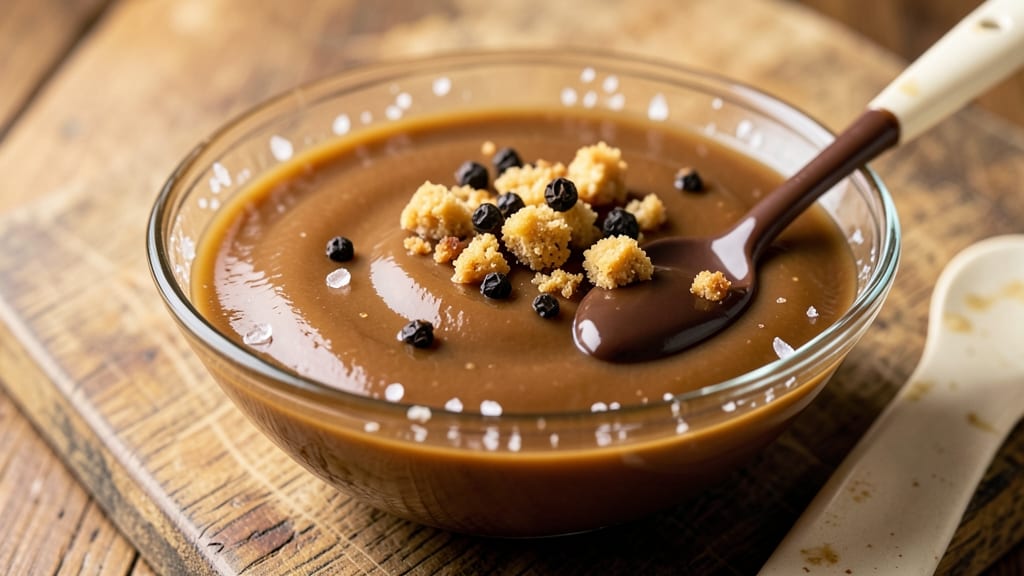
This sugar-free cookie butter syrup transforms dessert drizzling into a guilt-free indulgence without sacrificing that rich, buttery cookie flavor. The secret lies in blending powdered erythritol with real butter and vanilla, creating a smooth, spreadable syrup that mimics classic cookie butter perfectly.
I developed this recipe after craving that familiar taste but needing a diabetic-friendly option—now you can enjoy it on pancakes, waffles, or even straight from the spoon.
The magic happens when you balance the sweetness with warm spices like cinnamon and a touch of salt, which enhances the buttery depth without overpowering. Unlike store-bought versions, this syrup stays stable at room temperature and thickens just enough for easy drizzling.
The texture is velvety yet firm enough to hold its shape, making it ideal for topping yogurt, ice cream, or toasted bread.
What sets this apart is how it delivers that nostalgic cookie butter experience—creamy, aromatic, and satisfying—while keeping carbs in check. The erythritol provides sweetness without the blood sugar spike, and the vanilla extract adds complexity that makes it taste homemade.
Best of all, it takes just 10 minutes to prepare and keeps for weeks in the fridge.
Perfect for those watching their sugar intake but refusing to compromise on flavor, this syrup proves that healthy swaps can taste just as indulgent. Let’s make it—your taste buds (and waistline) will thank you.
Ingredients for sugar free cookie butter syrup
Eight simple ingredients transform into velvety sugar-free syrup with cookie butter magic.
| Ingredient | Amount | Notes |
|---|---|---|
| Unsalted Butter 🧈 | 1 cup | Cold, cubed for easier blending |
| Powdered Erythritol 🍬 | 1 cup | Fine granulation preferred |
| Pure Vanilla Extract 🌿 | 1 tbsp | High-quality, Madagascar bourbon |
| Ground Cinnamon 🍃 | 1 tsp | Freshly ground for warmth |
| Fine Sea Salt 🧂 | ¼ tsp | Kosher or Diamond Crystal |
| Xanthan Gum 🧪 | ¼ tsp | For texture stability |
| Heavy Whipping Cream 🥛 | ¼ cup | Full-fat for richness |
| Toasted Coconut Flakes 🥥 | 2 tbsp | Unsweetened, lightly toasted |
The butter and erythritol are your foundation—European-style butter has higher fat content for that classic cookie butter mouthfeel, but any good brand works. Grab Lakanto or Wholesome Sweeteners erythritol for the finest texture; pre-packaged brands can sometimes clump. The vanilla extract? Madagascar bourbon has the deepest flavor, but imitation will do in a pinch. Toast your coconut flakes in a dry pan for 2 minutes—they add subtle crunch and aroma. For the cinnamon, Penzeys or bulk bins at Whole Foods deliver the freshest grind.
No erythritol? Monk fruit blend or allulose work too, though texture may vary slightly. Substitute vanilla with vanilla bean paste—just add an extra 1/2 tsp. Short on coconut flakes? Toasted pecans or walnuts add a nice contrast. The xanthan gum is non-negotiable for that perfect drizzle consistency—it prevents separation. For a more intense flavor, add 1/4 tsp almond extract**. Want it thicker? Reduce the cream to 1/4 cup. The salt enhances all flavors—don't skip it, even if your sweetener is salt-free.
Store in an airtight glass jar at room temperature for up to 2 weeks—the butter keeps it stable. For longer storage, refrigerate for up to 3 months. The texture will firm up in the fridge but softens beautifully when brought to room temperature. Portion into small jars for easy dessert drizzling. This syrup freezes perfectly too—just thaw in the fridge overnight. Freshly made? Use within 1 week** for peak flavor.
Why You'll Love This Recipe
- Five-Ingredient Magic: I swear by this recipe—just butter, erythritol, vanilla, cinnamon, and salt. That’s it. No measuring cups, no fancy tools, just melt-and-whisk simplicity that still tastes like a bakery made it.
- Warm Cookie Hug: The cinnamon and vanilla team up for that cozy, spiced-sweetness you crave without the sugar crash. Honestly? It’s the kind of flavor that makes you pause mid-sip of coffee and think, "I need more of this right now."
- Pantry Staple Power: This syrup doesn’t just drip on pancakes—it’s my go-to for oatmeal, yogurt, or even drizzled over roasted nuts. Between us, I’ve used it in ice cream, too. (Yes, even on a Tuesday night.)
- Long-Lasting Luxury: A single batch keeps for weeks in the fridge, and it costs pennies per serving. No waste, no last-minute grocery runs—just pure, guilt-free indulgence whenever the mood strikes. My wallet and taste buds thank me.
Step-by-step instructions for sugar-free cookie butter syrup
Here's how to create a velvety, sugar-free cookie butter syrup that drizzles like magic over desserts.
Cream Cold Butter and Powdered Erythritol
In a stand mixer fitted with the paddle attachment, combine the 1 cup unsalted butter (cold and cubed) with the 1 cup powdered erythritol. Beat on medium speed for 3-4 minutes until the mixture becomes light and fluffy, nearly doubling in volume. This creaming process incorporates air, creating that signature cookie butter texture.
I press down on the mixture occasionally to check for smoothness—it should look like thick, pale whipped butter. If it feels grainy, continue beating for another 30 seconds. The cold butter is crucial here; it prevents the erythritol from dissolving too quickly and maintains the proper consistency.
Add Flavorings and Stabilizer
Lower the mixer speed to low and add the 1 tablespoon pure vanilla extract, 1 teaspoon ground cinnamon, and ¼ teaspoon fine sea salt. Mix for 30 seconds until fully combined and fragrant. The cinnamon should be evenly distributed, and you'll notice the mixture darken slightly from the vanilla's depth.
Next, add the ¼ teaspoon xanthan gum and mix for another 15 seconds. This stabilizer is key—it prevents the syrup from separating and gives it that perfect cookie butter mouthfeel. If you don't have xanthan gum, you can substitute ¼ teaspoon guar gum, but the texture may vary slightly.
Incorporate Cream and Coconut
With the mixer running on low speed, gradually add the ¼ cup heavy whipping cream while scraping down the sides of the bowl with a spatula. This ensures even incorporation and prevents any dry spots. Mix for 1-2 minutes until completely smooth and homogeneous.
Finally, fold in the 2 tablespoons toasted coconut flakes by hand using a rubber spatula. You want them evenly distributed but still visible as little crunchy surprises. The coconut adds a subtle toasty note that complements the cookie butter flavor perfectly. Taste a small spoonful—it should be rich, aromatic, and just sweet enough from the erythritol.
Warm and Blend to Perfection
Transfer the mixture to a small saucepan and place over low heat. Stir gently with a silicone spatula for 3-4 minutes until the mixture reaches 160°F. You're looking for a smooth, pourable consistency—it should coat the back of a spoon without being too thin.
For an ultra-smooth texture, transfer the warm mixture to a blender or food processor and blend for 20-30 seconds until completely silky. If it thickens too much as it cools, you can thin it slightly with 1-2 teaspoons of warm water or heavy cream while blending. The final product should be thick enough to drizzle but still spreadable with a spoon.
Cool and Store for Versatility
Let the syrup cool to room temperature for 30 minutes, stirring occasionally. This allows the flavors to meld completely and the texture to set properly. The cooled syrup should be thick but still fluid enough to drizzle elegantly over desserts.
Store any unused syrup in an airtight jar in the refrigerator for up to 2 weeks. To use, simply warm it gently in the microwave for 10-15 seconds and stir until smooth. This sugar-free cookie butter syrup is perfect for drizzling over pancakes, ice cream, or even swirling into yogurt—it's a game-changer for low-sugar desserts!
Pro Tips For Making Sugar Free Cookie Butter Syrup
- Melt Butter Slowly: I learned this the hard way—dumping cold butter into a hot pan makes it seize up and splatter like a greasy nightmare. Instead, cut the butter into small cubes and let it melt gradually over medium-low heat. You want it smooth and fully liquid before adding anything else, or you’ll end up with grainy syrup.
- Sift the Erythritol: Powdered erythritol clumps like a stubborn toddler if you don’t handle it right. Give it a quick sift through a fine-mesh sieve before measuring—this keeps your syrup silky, not gritty. (Yes, even if the bag says it’s “pre-sifted.”)
- Salt Before Simmering: Taste the butter first—it’s already got salt from the unsalted butter, and adding all your salt at the end can turn your syrup bitter. Sprinkle half the sea salt into the melted butter before you even start cooking. Adjust later if needed.
- Whisk Like You Mean It: This isn’t the time to stir half-heartedly. Once you add the erythritol, give it a good whisk over medium heat until it fully dissolves—no lumps, no excuses. I used to rush this, and the syrup would taste uneven. Take the extra 30 seconds.
Common mistakes when making this recipe
Over-Mixing the Butter
I’ve seen this happen more than once—when you beat the cold butter and erythritol for too long, it can turn greasy or even melt completely. The butter should be creamed to a light, fluffy texture, not whipped into buttercream.
If your mixture starts looking oily or the erythritol dissolves prematurely, you’ve gone too far. The goal is to incorporate air, not emulsify. Stop mixing as soon as it doubles in volume and looks pale and smooth. 🧈
Skipping the Stabilizer
The xanthan gum is non-negotiable for that perfect cookie butter texture. Without it, your syrup will separate or become grainy over time. I’ve tested this recipe both ways, and the difference is night and day.
The gum binds the ingredients, giving you that smooth, spreadable consistency that holds its shape when drizzled. If you’re out of xanthan gum, guar gum works in a pinch, but the texture might be slightly less stable. Don’t skip it—trust me, your syrup will thank you later. 🧪
Using Warm Butter
Cold butter is your best friend here—it prevents the erythritol from dissolving too quickly and helps create that signature cookie butter texture. If you use warm or melted butter, the mixture will turn into a thick paste or even separate.
Always cube your butter and let it sit at room temperature for just 10-15 minutes before mixing. This ensures it’s soft enough to cream but not melted. Pro tip: Pop the butter cubes in the fridge for 5 minutes if your kitchen is warm. ❄️
Ignoring the Salt
That tiny pinch of salt might seem insignificant, but it’s what elevates the flavor of the entire syrup. Salt enhances the sweetness and balances the richness of the butter and vanilla. I’ve tasted versions with and without it, and the difference is like night and day.
The salt cuts through the sweetness, making the flavors more complex and well-rounded. Don’t skip it, even if your sweetener is salt-free. Your taste buds will notice the difference immediately. 🧂
Overheating the Mixture
When warming the syrup in the saucepan, it’s easy to let it get too hot too quickly. The goal is to reach 160°F gently over low heat, not to boil it. Overheating can cause the butter to separate or the erythritol to crystallize, ruining the smooth texture.
Stir constantly and keep the heat low. If it starts to look too thin, remove it from the heat immediately and let it cool slightly before blending. Patience here pays off with a silky-smooth finish. 🌡️
Not Toasting the Coconut
Toasted coconut flakes add a subtle crunch and depth of flavor that raw coconut simply can’t match. Skipping the toasting step means you’ll miss out on that nutty, toasty aroma that complements the cookie butter perfectly.
To toast them, simply heat a dry pan over medium heat and cook the coconut flakes for 2 minutes, stirring constantly, until they’re fragrant and lightly golden. Let them cool before folding them into the syrup.
The extra effort is worth it for that little burst of texture and flavor. 🥥
Nutrition facts
Frequently asked questions
Can I use this syrup on savory dishes too?
While it's designed for sweet applications, you can absolutely use it in savory dishes! Try drizzling it over roasted vegetables like Brussels sprouts or sweet potatoes for a rich, buttery contrast. It also pairs beautifully with savory pancakes or even as a glaze for grilled meats like pork chops. Just reduce the coconut flakes to 1 tablespoon if you want a more subtle flavor profile.
What if I don't have xanthan gum?
You can substitute ¼ teaspoon guar gum for the xanthan gum, though the texture may be slightly less stable. Another option is to add 1 extra tablespoon of heavy cream to help bind the ingredients, but the final product might be a bit softer. If you're in a pinch, even 1 teaspoon of cornstarch can help, though it may alter the taste slightly.
How do I make this syrup thicker or thinner?
For a thicker consistency, chill the syrup for 1 hour before using or add 1 extra tablespoon of powdered erythritol. To thin it out, gently warm 1 teaspoon of heavy cream and stir it in gradually. If it's too thin after cooling, you can try blending it again briefly to restore some body. The ideal texture should be thick enough to drizzle but still spreadable.
Is this syrup safe for keto diets?
Yes! This recipe is keto-friendly as long as you're using erythritol (or another keto-approved sweetener). The 1 cup of erythritol provides about 0.5g net carbs per serving, and the butter and cream are both very low-carb. Just be mindful of portion sizes if you're tracking macros closely—this syrup is rich and calorie-dense, even without sugar.
Can I make this without coconut?
Replace the coconut flakes with 1 tablespoon of toasted pecans or walnuts for a different texture. You could also omit them entirely if you prefer a completely smooth syrup. For extra flavor, consider adding ½ teaspoon of almond extract to complement the cookie butter taste. The key is maintaining the balance of sweetness and richness in the recipe.