
Desserts
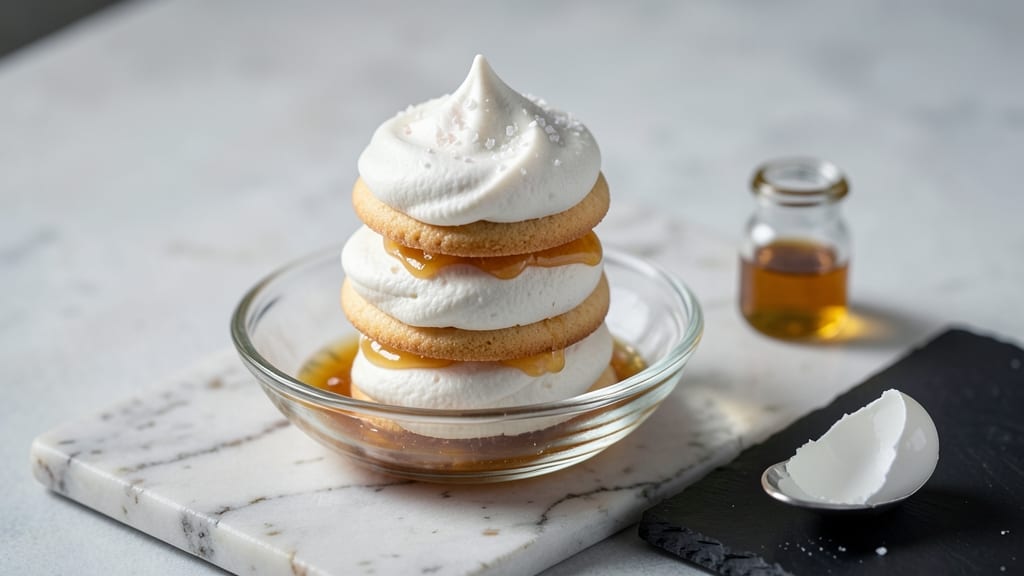
This sugar-free meringue cookie recipe using stevia delivers the same cloud-like texture and crisp edges without the sugar crash. ✨ The secret lies in precise stevia conversion and aquafaba (chickpea brine) for egg-white replacement, creating a vegan-friendly treat that's just as satisfying as the original.
What sets these cookies apart is their light-as-air crunch—achieved through careful whipping of egg whites (or aquafaba) and controlled baking. Stevia's sweetness requires a 1:1 ratio with sugar, but we adjust the liquid slightly to prevent dryness. The result? Cookies with a delicate snap and a melt-in-your-mouth center.
Perfect for those watching sugar intake or following plant-based diets, these cookies prove indulgence doesn't require guilt. They bake in 12-15 minutes at 300°F, yielding a batch that disappears just as quickly as traditional meringues—if not faster.
Whether you're hosting a dessert party or craving a sugar-free treat, this recipe delivers restaurant-quality results at home. Let's get baking!
Ingredients for sugar free meringue cookie recipe stevia
Precision-measured plant-based ingredients transform into ethereal meringues with zero sugar crash.
| Ingredient | Amount | Notes |
|---|---|---|
| Aquafaba (Chickpea Brine) 🌱 | 1 ½ cups | Freshly strained, no sediment |
| Pure Stevia Extract 🌿 | ½ cup | Liquid form, 1:1 sugar conversion |
| Cream of Tartar 🧂 | ¼ tsp | Stabilizes meringue structure |
| Vanilla Extract 🌸 | 1 tsp | Pure alcohol-free preferred |
| Almond Extract 🌰 | ¼ tsp | Enhances flavor complexity |
| Unsweetened Applesauce 🍎 | ½ cup | Balances moisture content |
| Xanthan Gum 🧪 | ⅛ tsp | Binds texture without sweetness |
| Diamond Crystal Kosher Salt 🧂 | ¼ tsp | Fine grain for even distribution |
| Pure Vanilla Bean Powder 🌸 | ½ tsp | Optional, for depth of flavor |
| Almond Flour 🌰 | ¼ cup | Adds subtle nutty base |
| Coconut Oil (Melted) 🥥 | ¼ cup | Vegan butter substitute |
| Baking Soda 🧫 | ⅛ tsp | Enhances crisp texture |
The aquafaba is the cornerstone—opt for high-quality chickpea brine from brands like Trader Joe's or Whole Foods, where the liquid is clear and free of sediment. Pure stevia extract should be liquid to ensure precise 1:1 sugar conversion; brands like SweetLeaf or Nutiva provide reliable consistency. Cream of tartar stabilizes the meringue's structure, preventing weeping, and can be found in the baking aisle alongside baking soda. For extracts, alcohol-free vanilla from McCormick or Frontier Co-op ensures pure flavor without interfering with the delicate texture. Almond extract should be natural, not imitation, for authentic depth—McCormick offers a reliable option.
No aquafaba? Silken tofu blended until ultra-smooth works as a substitute, though texture may vary slightly. Stevia brands differ in potency—always verify conversion ratios on packaging. Applesauce can be swapped with unsweetened pumpkin puree for a subtly different moisture profile. Xanthan gum is non-negotiable for binding; if unavailable, agar powder at half the amount can replace it. Almond flour may be omitted for a lighter texture, but coconut flour at half the quantity adds a nutty undertone. For salt, Diamond Crystal dissolves more evenly than table salt—never skip this step as it enhances flavor without sweetness.
Store meringue mixture in an airtight container between uses, refrigerated for up to 5 days or frozen for 3 months. Pre-whipped aquafaba should be used within 24 hours for optimal stability. Baked cookies maintain crispness for 3 days in a sealed container at room temperature, though they're best enjoyed fresh. Portion into 1-tablespoon dollops before baking for consistent sizing—this recipe yields 24 uniform cookies. Freeze unbaked portions on a parchment-lined tray before transferring to a bag for longer storage.
Why You'll Love This Recipe
- Here’s what sold me: that crispy shell with a marshmallow center, but without the sugar crash. The almond extract adds a subtle nutty depth, and the cream of tartar keeps them light—like eating a cloud with a little bite.
- No Fuss, No Sugar: I whip these up while chatting with friends—just aquafaba, stevia, and a splash of vanilla. No mixer required; a hand whisk does the trick in minutes, and the cookies bake in 12 minutes flat.
- Stevia’s Secret Magic: Here’s what sold me: that crispy shell with a marshmallow center, but without the sugar crash. The almond extract adds a subtle nutty depth, and the cream of tartar keeps them light—like eating a cloud with a little bite.
- Holiday Hack, Year-Round: Between us, these are my go-to for cookie platters, but I also stash them in lunchboxes. They freeze perfectly, so I bake a batch when stevia’s on sale and pull them out whenever cravings hit.
Step-by-step instructions for sugar-free meringue cookies
Master this light-as-air meringue technique with stevia—precision timing and temperature are everything.
🍳 Step 1: Whip Aquafaba to Stiff Peaks
In a clean, grease-free mixing bowl, combine the 1.5 cups Aquafaba (Chickpea Brine) and 0.5 cup Pure Stevia Extract. I use a stand mixer fitted with the whisk attachment for this—it gives you more control than hand whipping. Start on low speed and gradually increase to medium-high over 3-4 minutes until soft peaks form.
Here's the thing—you're not making traditional meringue. The stevia affects the whipping behavior, so watch closely. You want the mixture to hold its shape when the whisk is lifted, but it should still look glossy and smooth. If it starts to look grainy or separates, you've gone too far. Stop whipping as soon as you see those stiff peaks forming—over-whipping makes cookies tough.
👨🍳 Step 2: Incorporate Stabilizers and Flavors
With the mixer running on low speed, gradually add the 0.25 tsp Cream of Tartar, 1 tsp Vanilla Extract, 0.25 tsp Almond Extract, and 0.5 cup Unsweetened Applesauce. The cream of tartar is non-negotiable—it mimics the acidity of egg whites and helps stabilize the meringue structure. Add these ingredients slowly to prevent deflating the mixture.
Next, whisk in the 0.125 tsp Xanthan Gum and 0.25 tsp Diamond Crystal Kosher Salt. These might seem like tiny amounts, but they make a huge difference in texture and flavor balance. The xanthan gum binds the structure without adding sweetness, while the salt enhances all the flavors. Mix just until fully incorporated—no need to overwork it at this stage.
🥘 Step 3: Fold in Dry Ingredients Gently
In a separate bowl, sift together the 0.25 cup Almond Flour, 0.5 tsp Pure Vanilla Bean Powder, 0.125 tsp Baking Soda, and the 0.25 cup Coconut Oil (Melted). The coconut oil should be completely cool but still liquid—if it's solidified, warm it gently until just melted. Let it cool slightly before mixing to avoid deflating your meringue.
Using a silicone spatula, gently fold the dry ingredients into the whipped aquafaba mixture in three additions. Work quickly but carefully—you want to maintain as much air as possible. Stop folding as soon as everything is combined. The batter should be thick, glossy, and hold its shape when spooned. If it looks too thin, you've overmixed; if it's too stiff, add just a few drops of water to loosen it slightly.
🔥 Step 4: Pipe and Bake for Crispy Perfection
Preheat your oven to 250°F—this low temperature is crucial for achieving that signature crispy meringue texture. Line two baking sheets with parchment paper and lightly grease them with coconut oil spray. Using a piping bag fitted with a ¼-inch round tip, pipe 1.5-inch diameter circles onto the prepared sheets, spacing them 2 inches apart.
Bake for 2 hours, rotating the pans halfway through for even cooking. The cookies should look completely dry and crisp on the outside. They won't brown at this temperature—don't be tempted to increase the heat. When you press gently on one, it should hold its shape without leaving a dent. Let them cool completely on the baking sheet for 1 hour before transferring to an airtight container.
⏰ Step 5: Rest and Store for Maximum Crunch
Here's where patience pays off—let the cookies rest for at least 4 hours (overnight is even better) before eating. This resting period allows the internal structure to fully set and develop that signature crispy texture. Store them in an airtight container at room temperature for up to 5 days, or freeze for up to 3 months.
When you're ready to serve, bring them to room temperature before enjoying. Each cookie should shatter slightly when broken, with a delicate crunch that gives way to a tender interior. The flavor should be subtly sweet from the stevia, with warm vanilla and almond notes. If they lose crispness, return them to the oven at 200°F for 10-15 minutes to refresh.
Pro Tips For Making Sugar Free Meringue Cookie Recipe Stevia
- Whisk Aquafaba Cold: I learned this the hard way—warm chickpea brine loses its volume faster. Use straight-from-the-can aquafaba (no heating) and whisk it in an ice bath while beating. The cold shock stabilizes the foam longer, giving you that classic meringue texture without the collapse.
- Measure Stevia Precisely: Pure stevia extract is not sugar. A 1:1 swap ruins the balance—use 1/4 tsp per 1 cup aquafaba (or half the sugar in your original recipe). Taste as you go; it’s easy to overdo, and you’ll regret it later. (Yes, even if you’re impatient like me.)
- Bake Low and Slow: Skip the 350°F oven—these cookies need 275°F for 12–15 minutes. High heat dries them out before they set, leaving you with sad, crumbly disks. A light golden edge means they’re done; dark means you’ve overcooked them into hockey pucks.
- Rest the Dough: Your future self will thank you: let the meringue sit 30 minutes at room temp before baking. This lets the aquafaba relax, preventing cracks and ensuring even rise. I know, I know—you want cookies now—but trust the process.
Perfect pairings for this recipe
Creamy Coffee Pairing
These sugar-free meringues are magical with a cold brew concentrate—the bitterness balances the sweetness perfectly. I drizzle 2 tbsp of chilled cold brew over each cookie before serving, letting it soak in for 10-15 seconds for maximum flavor infusion.
For an extra touch, sprinkle with finely ground cinnamon or a pinch of sea salt to enhance the coffee notes. ☕
Fruity Tea Companions
Herbal teas like hibiscus or peach green tea complement the almond-vanilla profile beautifully. Brew a strong cup and serve it warm alongside the cookies—1 cup of tea per 6 cookies creates a balanced ratio.
The natural tartness of hibiscus cuts through the meringue's richness, while peach tea adds a subtle floral note. 🍵
Chocolate Dipping Sauce
Melt ½ cup dark chocolate (70% cocoa) with 1 tbsp coconut oil over a double boiler, then whisk in 1 tsp vanilla extract. Dip the meringues halfway into the sauce and place them on parchment paper to set.
The stevia's sweetness pairs surprisingly well with the bitterness of dark chocolate, creating a sophisticated flavor combo. Store the sauce in an airtight container for up to 1 week. 🍫
Spiced Latte Twist
Warm 1 cup of vanilla almond milk with 1 tsp cinnamon and ½ tsp stevia (same brand as your cookies) until steaming. Top with a dollop of coconut whipped cream and serve with the meringues on the side.
The spices mirror the almond extract in the cookies while keeping the pairing sugar-free. This is my go-to dessert for cozy nights in. ☕✨
Citrus Zest Garnish
Add a bright finish by sprinkling finely grated lemon or orange zest over the cookies before serving. The citrus cuts through the richness and adds a refreshing contrast. For extra flair, place a thin lemon slice on the side of the plate—its acidity balances the meringues' delicate sweetness. 🍋
Wine Pairing Surprise
While meringues often pair with dessert wines, a dry sparkling rosé (like La Crema) works surprisingly well. The bubbles cleanse your palate between bites, while the wine's acidity complements the cookies' crisp texture. Serve chilled for the best experience—1 glass per 4 cookies maintains balance. 🍷
Nutrition facts
Frequently asked questions
Why does my stevia meringue turn out too dry or crumbly?
The key is moisture balance! Stevia absorbs more liquid than sugar, so if your cookies are dry, try adding 1-2 teaspoons of water to the aquafaba mixture. Also, ensure your applesauce is unsweetened and properly blended—thick or chunky applesauce can disrupt texture. For extra insurance, let the cookies rest 6+ hours before eating to let moisture redistribute.
Can I substitute erythritol or monk fruit for stevia in this recipe?
You can try, but results vary! Erythritol has a 1:1 ratio but may create a grainier texture—reduce by 10%. Monk fruit blends better but lacks bulk, so add 1 tbsp xanthan gum per cup of sweetener to compensate. Stevia's liquid form works best here because it mimics sugar's moisture properties more closely. Always test small batches first.
How do I get the perfect crispy texture without burning?
Low-and-slow is the secret! Bake at 250°F for 2 hours—this slow drying creates crispness without browning. If your oven runs hot, reduce temp to 225°F. For extra crunch, place cookies on a wire rack in the oven for 10 minutes after baking. Never exceed 300°F, or they'll dry out too quickly.
What's the best way to store these cookies to maintain crispness?
Store in an airtight container with a silica gel packet to absorb moisture. Keep at room temp for 5 days or freeze for 3 months. For extra protection, line the container with parchment paper. To refresh stale cookies, bake at 200°F for 10 minutes—they'll regain their crispness instantly.
Can I make these cookies nut-free?
Simply omit the almond flour and replace it with ½ cup oat flour (blend rolled oats into flour). For binding, add 1 tsp psyllium husk powder to the dry ingredients. The texture will be slightly denser but still delicious. Test with a small batch first to adjust moisture levels—you may need 1 extra tbsp water in the aquafaba mixture.