
Desserts
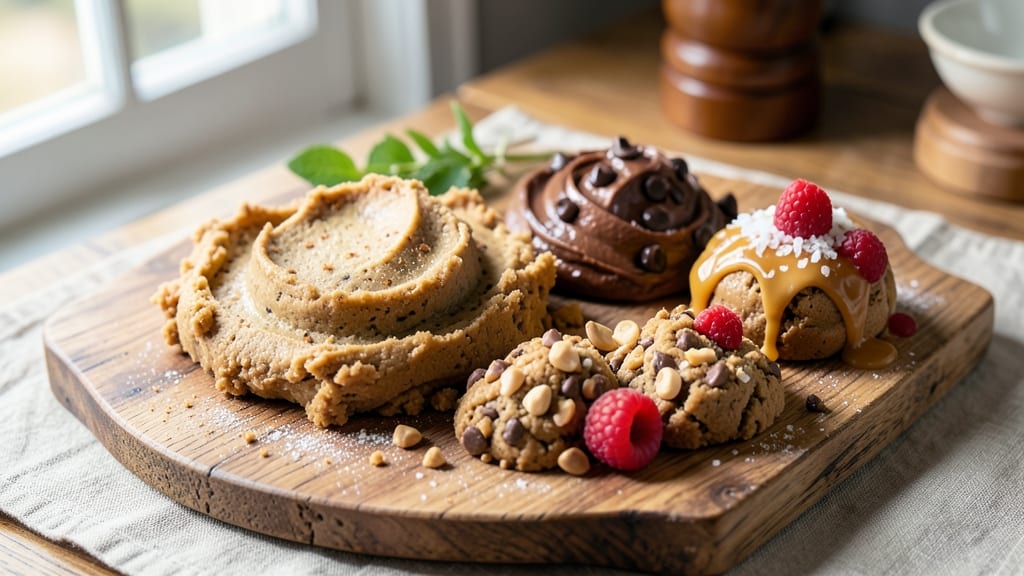
This basic cookie dough recipe is the ultimate blank canvas for your sweetest cravings—whether you want classic chocolate chip, chewy oatmeal, or nutty variations. 💛 I’ve perfected it over years of baking (and eating) mistakes, so you get foolproof dough that’s always tender, never dry, and ready for customization in minutes.
The secret? A simple ratio of butter, sugar, and flour with just enough leavening to create that signature cookie texture.
What makes this recipe special is its flexibility—you can shape it into drop cookies, scoop it into balls, or even roll it out for cutouts.
I’ll show you three easy variations (chocolate chip, oatmeal raisin, and peanut butter) that take the same base dough and transform it into something totally different. No fancy techniques required—just mix, chill, and bake.
The dough even tastes great straight from the bowl (though I won’t judge if you skip baking).
Once baked, you’ll have cookies with crisp edges and soft centers, perfectly golden and packed with flavor. The best part? This dough keeps well in the fridge for up to a week, so you can mix a batch on Sunday and enjoy fresh cookies all week.
Whether you’re whipping up a batch for a party or just satisfying a midnight craving, this recipe delivers every time.
Pro tip: For extra crispy cookies, let the dough chill for 24 hours—it develops deeper flavor and holds its shape better. And if you’re feeling adventurous, try adding mix-ins like white chocolate chunks, dried fruit, or even a sprinkle of sea salt for a gourmet twist. Let’s get baking!
Ingredients for basic cookie dough recipe with variations
Just 12 ingredients transform into three delicious cookie dough variations—chocolate chip, oatmeal raisin, and peanut butter bliss.
| Ingredient | Amount | Notes |
|---|---|---|
| Unsalted Butter 🧈 | 1 cup | Cold, cubed for easier mixing |
| Granulated Sugar 🍚 | ¾ cup | White or light brown preferred |
| Packed Brown Sugar 🍚 | ¼ cup | For chewy texture |
| Large Eggs 🥚 | 2 whole | Room temperature for smooth dough |
| All-Purpose Flour 🌾 | 2 ½ cups | Spooning and leveling for accuracy |
| Baking Soda 🧂 | ½ tsp | Not baking powder |
| Salt 🧂 | 1 tsp | Fine sea salt preferred |
| Vanilla Extract 🌿 | 1 tsp | Pure vanilla, not imitation |
| Chocolate Chips 🍫 | 1 cup | Semi-sweet or milk chocolate |
| Old-Fashioned Oats 🌾 | 1 cup | For oatmeal raisin variation |
| Raisins 🍇 | ½ cup | Plumped in warm water |
| Peanut Butter 🥜 | ½ cup | Creamy for peanut butter variation |
| White Chocolate Chunks 🍫 | ½ cup | Optional gourmet upgrade |
Butter quality matters here—Plugrá or Land O'Lakes are my go-tos, but any good brand works. Cold cubes mix easier than melted butter, and room-temperature eggs blend smoother. For the sugars, Domino brand is reliable, but any white or light brown sugar will do. The vanilla extract should be pure—McCormick or Nielsen-Massey are solid choices. If you're in a pinch, imitation vanilla works, but you'll notice the difference. The chocolate chips? Ghirardelli or Nestlé Toll House are the crowd-pleasers, but any semi-sweet or milk chocolate chips will work perfectly fine.
No chocolate chips? Swap in M&M's or butterscotch chips for a fun twist. Oats can be skipped if you're not making the raisin version, but they add great texture—Quaker Old-Fashioned is my favorite. Raisins need plumping—soak them in warm water for 10 minutes if they're dry. Peanut butter should be creamy, not crunchy, for the best dough consistency. Jif or Skippy are reliable brands. For the white chocolate chunks, Ghirardelli or Guittard melt beautifully, but any quality brand works. If you're feeling adventurous, try adding sea salt flakes or crushed pretzels for a gourmet upgrade.
This dough keeps for 5-7 days in the fridge, wrapped tightly in plastic. For longer storage, freeze portions for up to 3 months. I like to portion the dough into 1/4-cup balls before freezing—just thaw and bake when ready. The dough tastes great straight from the bowl, but baked cookies develop that perfect crispy-chewy texture. For extra crispy cookies, chill the dough for 24 hours before baking—it makes all the difference. And if you make a big batch, freeze half for next month's cravings.
Why You'll Love This Recipe
- Five-Ingredient Magic: I swear by this combo—just butter, sugars, eggs, and flour. No fancy mix-ins required to hit that perfect chewy texture with a melt-in-your-mouth center. (Yes, even on a Tuesday night.)
- Sweet Flexibility: Brown sugar’s caramel depth meets granulated’s crispness—it’s the flavor balance that makes this dough taste good fresh, baked, or even eaten straight. Honestly, I’ve never met a variation I didn’t like.
- Leftovers? No Problem: This dough keeps for days in the fridge, so I can bake a batch on Sunday and pull out cookies all week. Freeze the scraps for emergency treats—because let’s be real, no one plans for cookie cravings.
- Budget-Friendly Staples: Butter, sugar, flour, eggs—these are pantry basics that won’t break the bank. I’ve made this for bake sales, potlucks, and just because, and it’s always the dish people ask for seconds of.
Step-by-step instructions for customizable cookie dough
Here's how to make the perfect base dough and three delicious variations—crispy, chewy, or nutty.
👨🍳 Step 1: Cream Butter and Sugars Together
In a large mixing bowl, combine the 1 cup unsalted butter (cold and cubed) with the 0.75 cup granulated sugar and 0.25 cup packed brown sugar. Using a hand mixer or stand mixer, beat on medium-high speed for 2-3 minutes until light and fluffy. You'll know it's ready when the mixture nearly doubles in volume and looks pale and airy.
This step is where the magic happens—properly creamed butter creates those signature crackly tops and chewy centers. If your butter starts to melt too quickly, reduce the mixer speed slightly to prevent overheating. The goal is to incorporate air, so don't rush this part.
👨🍳 Step 2: Add Eggs and Vanilla
Add the 2 whole large eggs (room temperature) one at a time, mixing well after each addition. Then stir in the 1 teaspoon vanilla extract until fully combined. The mixture should be smooth and slightly thickened, with no visible streaks of egg.
I like to press down on the dough with a spatula at this stage to ensure all the ingredients are fully incorporated. This also helps prevent any potential separation later. The vanilla adds that classic cookie aroma, so don't skip this step—it makes all the difference in flavor.
🥘 Step 3: Mix in Dry Ingredients
In a separate bowl, whisk together the 2.5 cups all-purpose flour, 0.5 teaspoon baking soda, and 1 teaspoon salt. Gradually add this dry mixture to the wet ingredients, mixing on low speed just until combined. Be careful not to overmix—stop as soon as you see no more flour streaks.
Overmixing develops gluten, which can make your cookies tough instead of tender. The dough should be soft and slightly sticky. If it feels too dry, add 1 tablespoon of milk or water to help bring it together. This is your base dough that we'll customize next.
🍳 Step 4: Choose Your Variation and Mix Add-Ins
For the classic chocolate chip version, fold in the 1 cup chocolate chips using a spatula. For the oatmeal raisin version, add the 1 cup old-fashioned oats and 0.5 cup raisins (plumped in warm water). For the peanut butter version, mix in the 0.5 cup peanut butter and 0.5 cup white chocolate chunks.
Each variation has its own unique texture and flavor profile. The chocolate chip version stays classic with melty pockets, the oatmeal raisin adds chewy texture, and the peanut butter version brings rich, nutty depth. Mix just until the add-ins are evenly distributed—don't overwork the dough.
⏰ Step 5: Chill and Prepare for Baking
Cover the dough with plastic wrap and refrigerate for at least 30 minutes (or up to 24 hours for best results). Chilling helps the flavors meld and prevents excessive spreading when baking. After chilling, scoop the dough into 1.5-tablespoon balls and place them 2 inches apart on parchment-lined baking sheets.
Preheat your oven to 375°F while the dough chills. The perfect cookie starts with properly chilled dough—it ensures those thick, chewy centers we all love. If you're short on time, you can bake immediately, but the flavor and texture will be even better after chilling.
Pro Tips For Making Basic Cookie Dough Recipe With Variations
- MEASURE BUTTER COLD: Take the butter straight from the fridge—no softening needed. I used to let it sit out, and the dough always turned greasy and spread too much. Cold butter creates flaky layers and holds its shape, even when you add mix-ins later.
- WEIGH YOUR FLOUR: Spoon the flour into the measuring cup, then level it off with a knife—don’t scoop directly from the bag. Packed brown sugar and granulated sugar vary wildly in density, and flour that’s been scooped out leaves gaps. This keeps your cookies from turning out dry or dense.
- MIX JUST UNTIL COMBINED: Overmixing turns dough tough and chewy. Stop as soon as the flour disappears—about 30 seconds after the last flour addition. Your dough should hold together when pressed but still look slightly shaggy. This is especially true for variations like chocolate chip or oatmeal.
- LET EGGS WARM FIRST: Take the eggs out of the fridge 10 minutes before mixing. Cold eggs can curdle when they hit the warm butter and sugars, leaving streaks in your dough. Room-temperature eggs blend smoothly and keep the texture consistent, no matter what variation you’re making.
Serving suggestions for this basic cookie dough recipe with variations
Classic Cookie Serving
Serve warm chocolate chip cookies straight from the oven with a tall glass of cold milk—I swear by Fairlife milk for its creamy texture. The warm cookies contrast beautifully with the cool milk, creating that nostalgic childhood treat experience.
For a gourmet touch, add a sprinkle of flaky sea salt right after baking to enhance the chocolate flavor. 🥛
Cookie Ice Cream Topping
Use the same dough recipe to create cookie dough ice cream toppings that taste like cookie dough but bake into crispy cookies. Scoop 1-tablespoon balls onto vanilla ice cream and freeze for 30 minutes before serving.
The dough softens slightly but keeps its texture, creating a fun, interactive dessert. This is perfect for summer gatherings or as a special treat for kids. 🍦
Cookie Sandwiches
Bake an extra batch of cookies and make cookie sandwiches with Nutella or peanut butter filling. Use the peanut butter variation for a double peanut butter experience or the chocolate chip version for classic flavor.
Press the cookies together gently to avoid crumbs, and cut into quarters for easy serving. These are ideal for lunchboxes or quick snacks. 🥪
Cookie Dough Dip
For a no-bake option, mix ½ cup softened butter with ½ cup peanut butter and 1 cup powdered sugar, then fold in ½ cup cookie dough**.
Spread on graham crackers or apple slices for a fun, shareable dessert. This dip is perfect for parties or when you want something sweet without baking. 🍏
Breakfast Cookies
Add ½ cup chopped walnuts and ½ cup dried cranberries to the base dough for a breakfast-friendly version. Bake as directed and serve with a cup of coffee or tea.
The nutty and slightly tart flavors make these cookies perfect for morning cravings. Store in an airtight container for up to 5 days to keep them fresh. ☕
Gift-Worthy Cookie Jars
Portion the dough into small jars with lids and attach a handwritten note for a thoughtful gift. The recipient can bake the cookies as needed or enjoy them straight from the jar.
Add a small scoop of cookie dough to the jar for an extra-special touch. This is a great idea for teacher gifts, hostess presents, or holiday surprises. 🎁
Nutrition facts
Frequently asked questions
Can I make this cookie dough without butter?
Yes! For a dairy-free version, substitute the butter with 1 cup coconut oil (solid) or ¾ cup applesauce for a lighter texture. If using coconut oil, chill the dough longer (1 hour) since it's softer. For best results, use refined coconut oil to avoid coconut flavor.
Why did my cookies spread too much?
Over-spreading usually happens when the dough isn't chilled enough or the butter is too soft. Always refrigerate the dough for at least 30 minutes (preferably 24 hours for thicker cookies). Use cold butter and scoop dough balls slightly smaller (1 tablespoon instead of 1.5 tablespoons). Also, make sure your oven is fully preheated to 375°F.
How can I make these cookies gluten-free?
Replace the all-purpose flour with a 1:1 gluten-free baking flour blend (like Bob's Red Mill) plus ½ teaspoon xanthan gum if your blend doesn't contain it. You may need to add 1-2 tablespoons of milk to help bind the dough. Chill the dough longer (1 hour) as gluten-free versions spread more.
Can I use this dough for anything other than cookies?
Try rolling it out for cut-out cookies or pressing into a pan for a cookie cake. For a no-bake option, scoop small balls onto vanilla ice cream and freeze for 30 minutes to make cookie dough ice cream toppers. You can also press the dough into a tart pan and bake for 12-15 minutes at 350°F for a cookie crust.
What's the best way to store leftover dough?
Wrap the dough tightly in plastic wrap and refrigerate for up to 5 days. For longer storage, portion into 1/4-cup balls, place on a tray, freeze until solid, then transfer to a sealed container or freezer bag. Thaw in the fridge overnight before baking. The dough tastes great straight from the fridge—just let it sit at room temperature for 10 minutes before scooping.