
Desserts
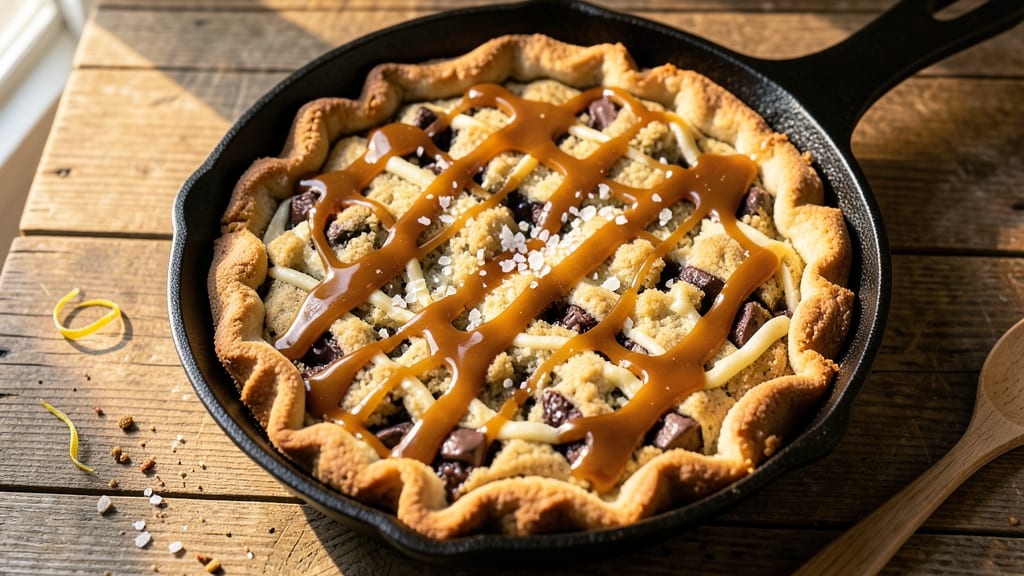
This cast iron skillet cookie cake delivers restaurant-quality dessert with crispy edges and a gooey center—all in one pan. The secret lies in the skillet's ability to create that perfect caramelized crust while keeping the middle tender and fudgy.
I've perfected this recipe after years of experimenting with textures, and it never fails to impress. What makes this recipe special is the simplicity combined with professional results. You'll need just five essential ingredients plus your cast iron skillet, which doubles as both baking vessel and serving platter.
The high heat of the skillet creates those coveted crispy edges while the center remains soft and cookie-like. By the time it emerges from the oven, you'll have a golden, caramelized cookie cake with a texture that's impossible to resist.
The cast iron imparts a subtle smoky depth that elevates the classic cookie cake flavor to new heights. It's the kind of dessert that feels indulgent but doesn't require hours in the kitchen. Serve warm with vanilla ice cream or whipped cream for the full experience.
The skillet's heat keeps everything warm while you're enjoying your dessert, and the crispy edges provide that satisfying contrast to the soft center. Let's get baking!
Ingredients for cast iron skillet cookie cake
Five simple ingredients plus your cast iron skillet—this dessert delivers crispy edges and gooey perfection every time.
| Ingredient | Amount | Notes |
|---|---|---|
| All-Purpose Flour 🌾 | 2 cups | Sifted for light texture |
| Granulated Sugar 🍚 | 1 ½ cups | White or light brown |
| Unsalted Butter 🧈 | 1 cup | Softened, not melted |
| Large Eggs 🥚 | 2 whole | Room temperature |
| Vanilla Extract 🌿 | 1 tbsp | Pure vanilla preferred |
| Baking Powder 🍞 | 1 tsp | For lift and crispiness |
| Salt 🧂 | ½ tsp | Fine sea salt |
| Vanilla Ice Cream 🍦 | 1 ½ cups | For serving (optional) |
| Heavy Cream 🥛 | ¼ cup | For topping (optional) |
| Chopped Nuts 🌰 | ½ cup | Optional crunch topping |
The flour and sugar are the backbone here. King Arthur flour is my go-to for that perfect texture, but any all-purpose works. Sugar caramelizes beautifully in the skillet, so don't skimp—it's what creates those coveted crispy edges. The butter needs to be softened, not melted, so it incorporates smoothly. Room-temperature eggs prevent lumps, and vanilla extract (not imitation) adds that authentic depth. For the skillet, Lodge or Staub brands are ideal—they hold heat perfectly and add that subtle smoky flavor. Preheat your oven to 425°F while you prep everything, because timing is everything with this recipe.
No vanilla extract? Vanilla bean paste works just as well, or a splash of vanilla sugar if you're in a pinch. Short on butter? Coconut oil or vegan butter gives similar results, though the flavor won't be identical. Want extra crispiness? Sprinkle a pinch of cornstarch over the top before baking. For the optional toppings, homemade whipped cream is ideal, but store-bought works too. If you're feeling fancy, toast the nuts in the oven for 5-7 minutes before adding them—they'll be crunchier and more flavorful. The ice cream can be any flavor, but vanilla complements the cookie cake perfectly.
This dessert is best served immediately after baking while the edges are still crisp. Store leftovers in an airtight container at room temperature for up to 2 days, though it's hard to resist eating it all fresh. For longer storage, wrap tightly in plastic and refrigerate for up to 1 week. Reheat in the oven at 350°F for 5-7 minutes to restore that crispy texture. The skillet itself is your best friend here—it keeps the cake warm and delicious while you're enjoying it. Double the recipe if you're feeding a crowd, but make sure your skillet is large enough to accommodate the batter without overflowing.
Why You'll Love This Recipe
- One-Bowl Miracle: I swear by this—just toss everything into a bowl (flour, sugar, melted butter, eggs, vanilla), mix it until it’s almost crumbly, then dump it into a hot cast iron. No measuring cups left out, no extra bowls to wash. The skillet does all the heavy lifting while I scrape the last bit of batter off the sides.
- Buttery-Caramel Magic: That first bite? The edges get this irresistible crisp, almost like a cookie crust, while the center stays soft and chewy—thanks to the cast iron’s even heat. And honestly? The butter and sugar combo here is ridiculously good, like a cross between a snickerdoodle and a warm cookie straight from the oven.
- Breakfast or Dessert?: Between us, this is my go-to when I’m lazy but still want something special. Serve it warm with a scoop of vanilla ice cream for dessert, or drizzle it with honey and crumbled bacon in the morning—yes, even on a Tuesday. The skillet’s heat gives it that perfect balance of gooey and firm, so it holds up to whatever you throw at it.
- Budget-Friendly Leftovers: Flour, sugar, butter, eggs—these are pantry staples that won’t break the bank. And the best part? The cake keeps well for days, so I can bake one batch and slice it for snacks, gifts, or even a quick lunch with peanut butter. No sad, dried-out cookies here; the cast iron keeps it fresh longer than any other method I’ve tried.
Step-by-step instructions for cast iron skillet cookie cake
Here's how to bake a showstopping cookie cake with crispy edges and a gooey center—no fancy equipment needed.
Prep the Cast Iron Skillet and Mix Dry Ingredients
Preheat your oven to 350°F. Generously grease a 10-inch cast iron skillet with butter or nonstick spray, then dust with 2 tablespoons of the all-purpose flour from your ingredients. Tap out any excess flour—this prevents sticking and creates a crispy crust. In a medium bowl, whisk together the 2 cups all-purpose flour, 1.5 cups granulated sugar, 1 teaspoon baking powder, and 0.5 teaspoon salt until evenly combined. I like to sift the flour first for a lighter texture, but whisking works too.
This step is where the magic begins. The greased skillet ensures easy release, while the flour coating creates that coveted crispy edge we're after. Don't skip the greasing—trust me, it makes all the difference when you go to flip the cake later.
Cream Butter and Eggs, Then Combine Wet and Dry
In a large mixing bowl, beat the 1 cup softened unsalted butter and 2 whole large eggs together on medium speed for 2-3 minutes until light and fluffy. Scrape down the sides of the bowl, then mix in the 1 tablespoon vanilla extract. The mixture should nearly double in volume and look pale and airy—this incorporates air that helps create that perfect cookie cake texture.
Gradually add the dry ingredients to the wet mixture, mixing on low speed just until combined. Avoid overmixing—you should still see some flour streaks. Fold in the 0.5 cup chopped nuts (if using) with a spatula. The dough will be thick but pliable. If it seems too stiff, you can add 1 tablespoon of heavy cream to help bind it together.
Bake the Cookie Cake to Golden Perfection
Spoon the dough into the prepared skillet and spread it evenly, creating a thick layer that reaches about 1 inch high in the center. Bake for 25-30 minutes until the edges are deep golden brown and the center still looks slightly soft (it will firm up as it cools). Here's the thing—don't overbake. You want it to pull away from the edges slightly when you run a knife around the pan, but still be tender in the center.
About 5 minutes before the cake is done, place a metal rack on top of a baking sheet. When the cake is ready, carefully invert it onto the rack to cool completely. This step is crucial for crispy edges—it allows hot air to circulate underneath, preventing sogginess.
Add the Ice Cream Topping (Optional but Recommended)
Once the cake has cooled completely, spread 1.5 cups vanilla ice cream evenly over the top. For extra decadence, drizzle with 0.25 cup heavy cream and sprinkle with additional chopped nuts. The contrast of warm cake and cold ice cream is what makes this dessert truly special. Serve immediately while the ice cream is still soft, or refrigerate for 15 minutes before serving if you prefer a firmer topping.
For the best experience, I like to serve this with a scoop of ice cream on top and a sprinkle of flaky sea salt. The salt enhances all the sweet flavors and balances the richness. Enjoy your homemade cookie cake—it's perfect for parties, potlucks, or just a cozy dessert night in!
Pro Tips For Making Cast Iron Skillet Cookie Cake
- Preheat Skillet First: The cast iron stays cold longer than you think—pop it in the oven at 350°F for 10 minutes before baking. I learned this after my first batch came out uneven, with the edges underdone while the center was overbaked. Trust me, a hot skillet = even baking.
- Cut Butter Cold, Not Soft: Use straight-from-the-fridge unsalted butter, cubed into small, even pieces. If it melts too early, you’ll end up with a dense, greasy cake instead of that tender crumb. (Yes, even if you’re impatient like me.)
- Skip the Overmixing: Mix the batter just until the flour disappears—about 30 seconds after the dry ingredients are incorporated. Overworking it develops gluten, and your cookie cake will turn out tough instead of chewy. I used to beat it like I was kneading dough, and it was a disaster.
- Test Doneness with a Toothpick: The edges might look golden, but the center can still be raw. Stick a toothpick in—if it comes out with moist crumbs (not wet batter), it’s done. I’ve pulled cakes out too early, and they’d collapse later. Better to wait an extra 3-5 minutes than risk a gooey mess.
Best sauces and condiments for this recipe
Classic Vanilla Ice Cream
Vanilla ice cream is the perfect topping for this cookie cake—its creamy texture contrasts beautifully with the crispy edges. I recommend using high-quality vanilla bean ice cream like Ben & Jerry's or Häagen-Dazs for that rich, authentic flavor.
If you're feeling adventurous, try homemade ice cream—it elevates the dish even more. The cold ice cream melts slightly when spread over the warm cake, creating a luscious, gooey texture that's impossible to resist. 🍦
Whipped Cream Drizzle
A generous drizzle of heavy whipped cream adds a light, airy element that balances the dense cookie cake. For the best results, use cold heavy cream (strained through a fine-mesh sieve for extra smoothness) and whip it to soft peaks before drizzling.
I like to add a pinch of vanilla sugar or a splash of vanilla extract to the cream for extra flavor. For a fancy touch, dust with powdered sugar or a sprinkle of flaky sea salt to enhance the sweetness.
Caramel Sauce
Warm homemade caramel sauce takes this dessert to the next level. Use a simple recipe with 1 cup granulated sugar, 6 tablespoons unsalted butter, and ½ cup heavy cream.
Drizzle it over the cake just before serving—it'll pool beautifully in the crevices and add a rich, buttery depth. For a quicker option, store-bought caramel sauce (like Trader Joe's or Smucker's) works in a pinch, but homemade always tastes better. 🍯
Chocolate Ganache
For chocolate lovers, a dark chocolate ganache is a game-changer. Melt ½ cup dark chocolate chips (I love Ghirardelli or Lindt) with ¼ cup heavy cream, then let it cool slightly before drizzling. The ganache adds a sophisticated, bittersweet contrast to the sweet cookie cake.
For extra decadence, mix in 1 teaspoon espresso powder to deepen the chocolate flavor. Let it set for 5-10 minutes before serving so it holds its shape.
Nutty Crunch Toppings
Toasted pecans, walnuts, or hazelnuts add a delightful crunch that cuts through the richness. Toast them in a dry skillet over medium heat for 3-5 minutes until fragrant, then chop coarsely. Sprinkle them over the ice cream or whipped cream for added texture.
For a nutty twist, try peanut butter drizzle—mix 2 tablespoons peanut butter with 1 tablespoon honey and warm it slightly before drizzling. This adds a salty-sweet contrast that's pure indulgence. 🌰
Fruit Compote
Brighten up the dessert with a warm berry compote made from 1 cup mixed berries (strawberries, raspberries, or blueberries), 2 tablespoons sugar, and 1 teaspoon lemon juice. Simmer until thickened, then strain if you prefer a smoother texture.
The acidity of the compote cuts through the richness of the cake, making each bite more vibrant. For a tropical twist, try mango or pineapple compote—it adds a refreshing contrast to the warm cookie cake. 🍓
Nutrition facts
Frequently asked questions
Can I use any cast iron skillet for this recipe?
A 10-inch skillet works best for this recipe, but you can use an 8-inch for a smaller portion or a 12-inch for a crowd. Just adjust baking time—8-inch skillets need 20-25 minutes while 12-inch skillets may take 35-40 minutes. Make sure your skillet is well-seasoned and in good condition for even baking.
Why does my cookie cake stick to the skillet?
This usually happens if you skipped the flour coating or didn't grease the pan properly. Always generously butter your skillet and dust with 2 tablespoons of flour before adding the batter. Tap out excess flour—too much can make it stick too! Also, make sure your skillet is hot before adding the batter. If it sticks, gently run a thin metal spatula around the edges before inverting.
How do I get extra crispy edges without burning the center?
The secret is baking at 425°F for the first 10 minutes to set the edges, then reducing to 350°F until the center is set. For maximum crispiness, invert the hot cake onto a rack 5 minutes before it's done to let hot air circulate underneath. The edges will crisp up perfectly while the center stays tender.
Can I make this recipe without nuts?
Simply omit the nuts from the recipe. The cookie cake will still be delicious with just the classic cookie flavors. For extra texture, try adding mini chocolate chips or white chocolate chunks instead. The recipe maintains its perfect texture without nuts—it's all about the crispy edges and gooey center!
How do I store leftovers?
Store your cookie cake in an airtight container at room temperature for up to 2 days. For longer storage, refrigerate for up to 1 week. To restore crispiness, reheat in a 350°F oven for 5-7 minutes. The cast iron skillet keeps it fresh longer than regular pans would.